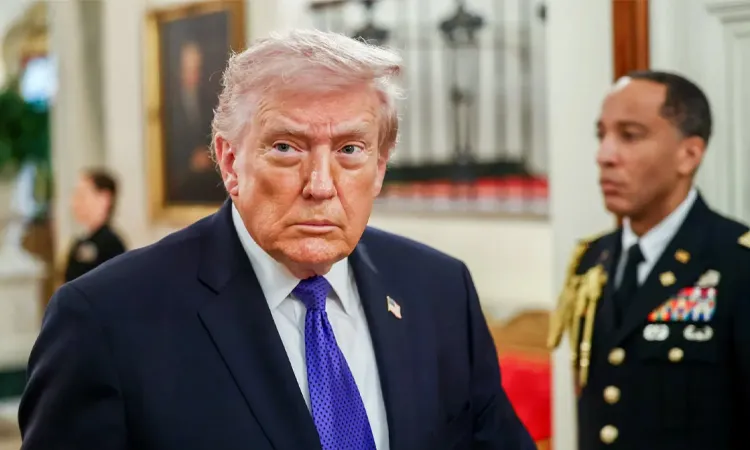
The conflict between the United States, Israel and Iran intensified on Friday after Donald Trump demanded Iran’s “unconditional surrender”, rejecting the possibility of negotiations despite emerging mediation efforts.
Trump made the statement on his social media platform, stressing that no agreement would be reached unless Iran surrendered completely. He added that after surrender and the appointment of a “great and acceptable leader”, the United States and its allies would work to rebuild Iran economically.

Diplomatic Efforts and Iran’s Position
Iranian President Masoud Pezeshkian said some countries have started mediation attempts to end the war, though he did not name them. Nations including Qatar, Turkey, Egypt and Oman have previously offered to mediate since the conflict began with joint US–Israeli strikes on Iran last week.
Pezeshkian said Iran remains committed to regional peace but would firmly defend its sovereignty and dignity. He also argued that any mediation must address the parties responsible for starting the conflict.
Iranian officials have indicated readiness for a prolonged conflict, with Foreign Minister Abbas Araghchi warning that US plans for a quick victory had already failed.
Escalation of Military Operations
The war has expanded across the Middle East. Iran has launched missile and drone attacks on Israel and US military sites in the region, while also targeting infrastructure in Gulf countries hosting American forces.
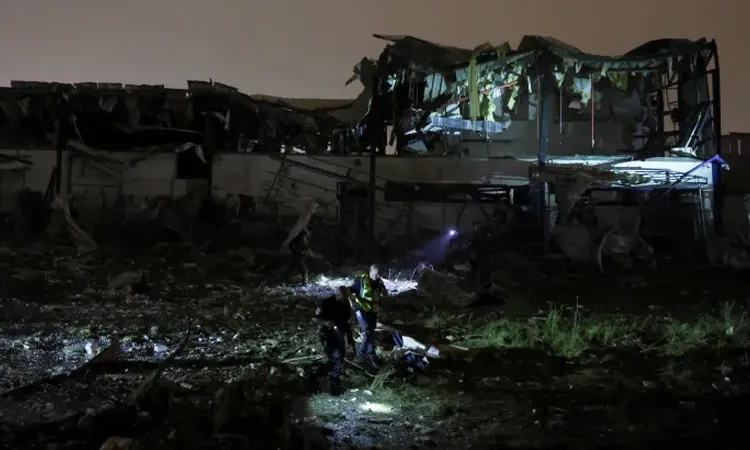
At the same time, Israeli fighter jets carried out a major strike in Tehran, targeting an underground bunker beneath the leadership compound of Iran’s supreme leader. Around 50 Israeli aircraft, supported by intelligence from the Mossad, took part in the operation.
The bunker had reportedly been built for Ali Khamenei, who was killed earlier in joint US–Israeli strikes during the operation dubbed Operation Roaring Lion. The compound had been used by senior Iranian officials even after his death.
Israel said the strike significantly damaged Iran’s command and control infrastructure.
Rising Casualties and Regional Impact
The war has caused significant casualties and humanitarian consequences. According to UNICEF, at least 1,332 people have been killed in Iran, including 181 children.
One of the deadliest incidents occurred in the southern Iranian city of Minab, where a strike on a girls’ primary school reportedly killed about 180 students and staff.
The conflict has also triggered displacement in Lebanon following clashes between Israel and Hezbollah.
Internal Debate Inside Iran
Inside Iran, the reformist coalition Reform Front called for appointing a new supreme leader who could signal a change in Iran’s international approach and reduce internal political divisions. The group suggested that choosing new leadership could send a message of peace to the world and strengthen international anti-war pressure. Iran’s supreme leader is selected by the Assembly of Experts, an 88-member council.
Reformists also urged the government to release political prisoners and promote national unity, arguing that broad public support would be essential for resilience during the war.
Oil Markets and Global Concerns
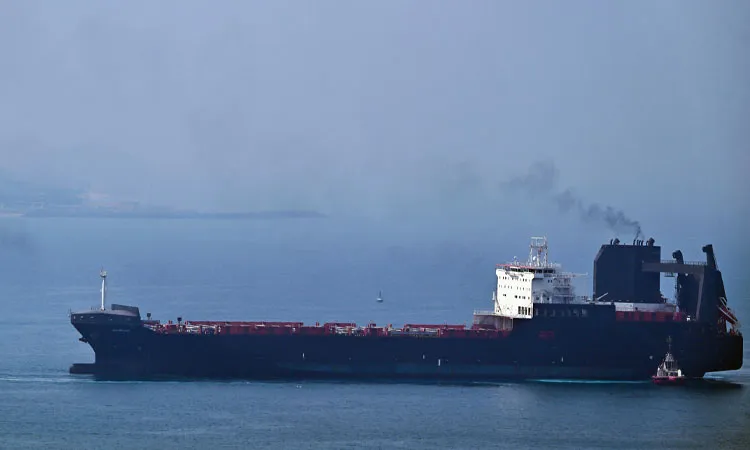
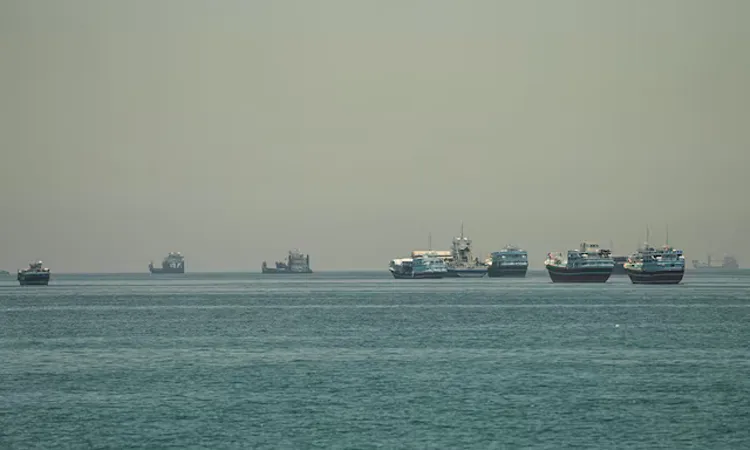
The war has disrupted global energy markets. Iran’s actions in the Strait of Hormuz, a key global oil route, have pushed prices higher. Oil was trading near $90 per barrel, while Qatar warned prolonged disruptions could push prices above $150.
European stock markets fell following Trump’s comments and fears of prolonged conflict.
Reports of Russian Intelligence Support
Meanwhile, reports citing US officials suggested Russia may be providing targeting intelligence to Iran, including locations of US warships and aircraft in the Middle East. The Kremlin acknowledged dialogue with Iranian leaders but did not confirm the allegations.

Experts say Russia’s advanced satellite capabilities could help Iran improve its targeting accuracy, especially after Iranian surveillance systems were damaged by recent US-Israeli strikes.
Continuing Military Pressure
US officials claim Iran’s military capabilities are rapidly weakening. According to the White House, Iran’s missile launches are declining, its naval assets are being destroyed, and its weapons production is under heavy attack.

Despite these claims, Iranian leaders maintain they can sustain the war and retaliate against US and allied forces in the region.