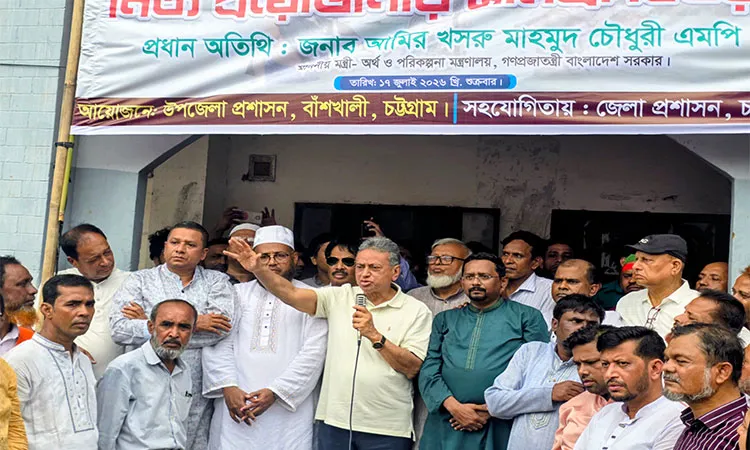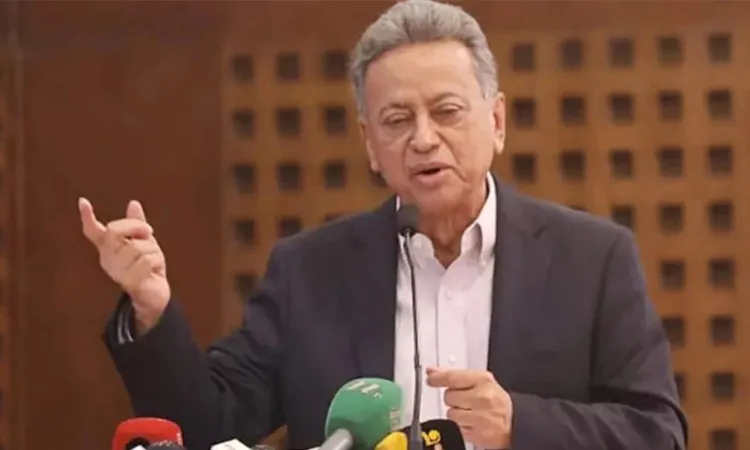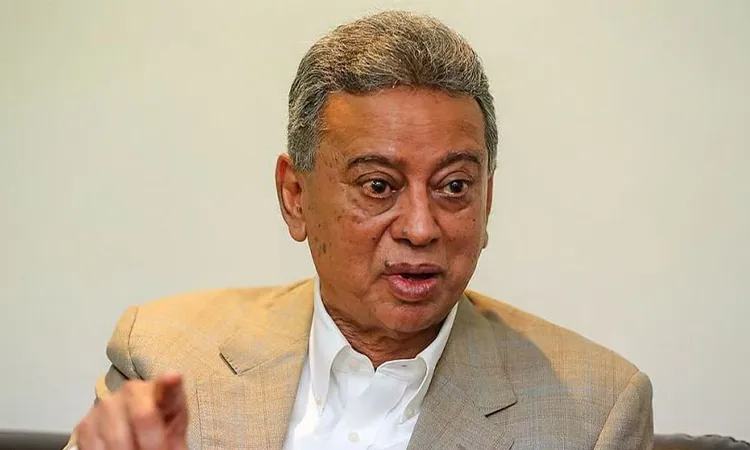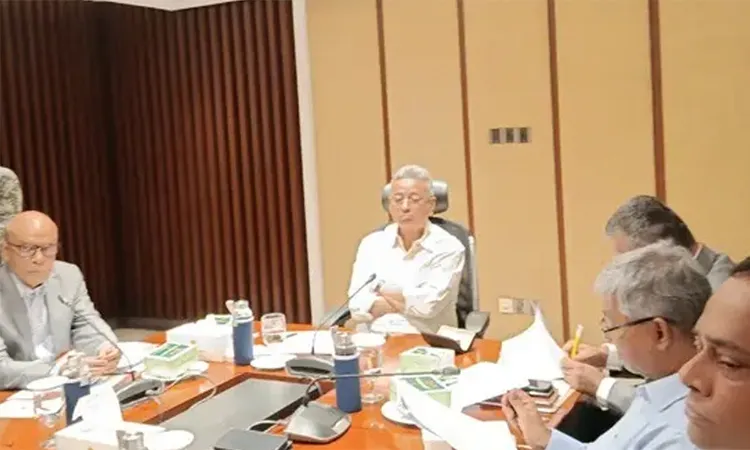
Finance Minister Amir Khasru Mahmud Chowdhury announced that the government will maintain a strict monetary policy to control high inflation.He stated that the focus is now on building a stable and sustainable economy, stepping away from the practice of printing extra money for temporary relief.
He made these remarks during a pre-budget discussion organized by the Finance Ministry on Saturday (April 25). The meeting, chaired by the Finance Minister, was attended by journalists and Executive Committee members of the Economic Reporters Forum (ERF).
Chowdhury emphasized that limiting the money supply is crucial to curbing inflation. He noted that past practices of printing money and borrowing heavily from banks strained the economy, drove up interest rates, and harmed the private sector.
"We have adopted a policy that prevents injecting additional high-powered money into the market, as it fuels inflation and disrupts economic balance," he said.
The minister criticized past patronage politics for concentrating wealth among a few, stating that the economy had fallen into the hands of oligarchs, which severely impacted the political landscape. To counter this, the government is prioritizing the "democratization of the economy."
He outlined initiatives aimed at ensuring economic benefits reach all sections of society. A key step includes directly empowering women through the "Family Card" program. Because women are highly skilled at managing household expenses, placing financial resources in their hands will positively impact both savings and investments, he added.
Addressing healthcare costs, the minister highlighted the expansion of primary healthcare services. He explained that reducing out-of-pocket medical expenses improves a family’s quality of life and effectively increases their disposable income.
Chowdhury identified Small and Medium Enterprises (SMEs) and startups as the main drivers of the economy and the largest source of employment. Alongside these sectors, the government is working to integrate rural cottage industries, artisans, and the creative economy into the mainstream market.
Discussing current challenges, he acknowledged that the private sector is under pressure due to banking indiscipline, currency depreciation, and high inflation. As a result, many industries are operating below capacity. He stressed the need to remove obstacles to doing business to attract much-needed investment.
Finally, emphasizing energy security, the minister shared plans to reduce reliance on imported fuel by maximizing domestic sources and expanding the use of renewable energy.