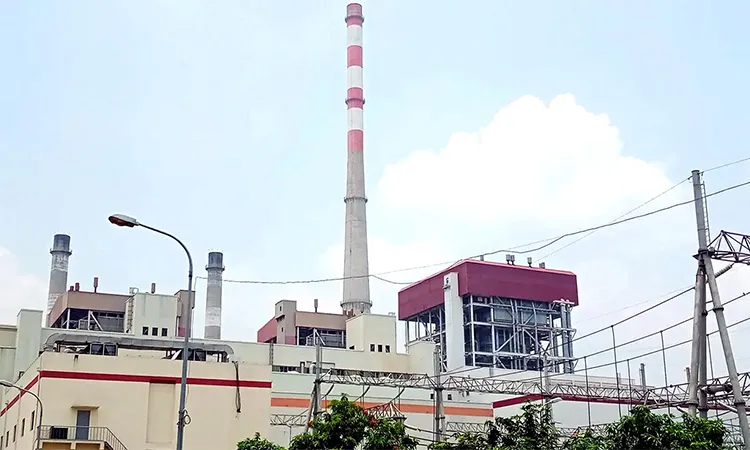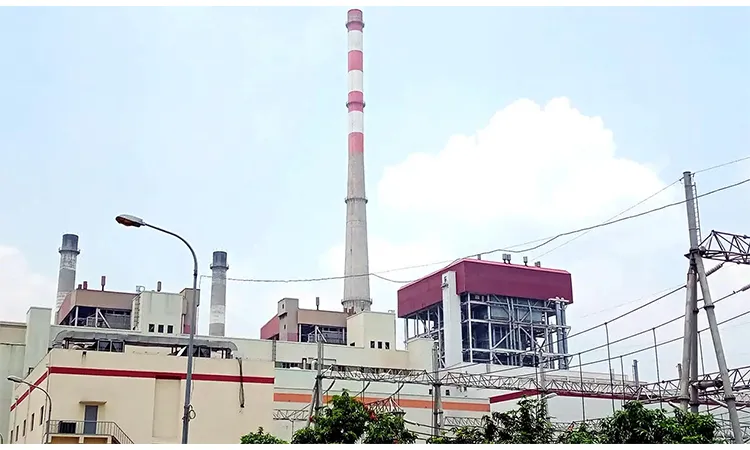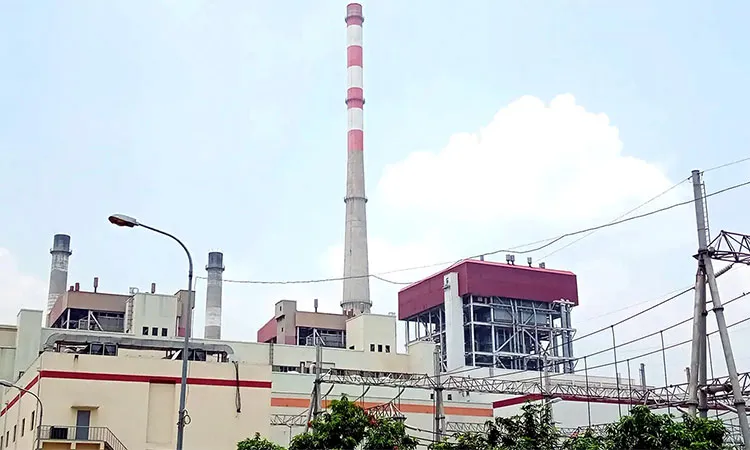
Unit 1 of the Barapukuria coal-fired thermal power plant resumed operations on Friday night, ending a 46-hour total production blackout that triggered severe power shortages across Northern Bangladesh.
The unit was synchronized with the national grid at 8:07 pm, confirmed Chief Engineer Abu Bakkar Siddique. The plant had been completely offline since Wednesday night, after a large stone entered the boiler of Unit 1, damaging the tube and forcing an emergency shutdown.
At the time of the failure, the unit was generating 50–60 MW. Because the plant’s other two units were already offline due to long-term mechanical issues, the failure of Unit 1 halted all production. This resulted in widespread outages across eight northern districts.
A History of Technical Hurdles
Despite having a total installed capacity of 525 MW, the Barapukuria plant—established in 2006—has rarely operated at full strength.
Unit 1 (125 MW): Now operational, providing roughly 55 MW.
Unit 2 (125 MW): Out of service since November 2020.
Unit 3 (275 MW): Out of service since November 1, 2024.
While the plant was designed to utilize coal from the adjacent Barapukuria mine, the frequent shutdowns have created a dual crisis: a shortage of electricity for the public and a surplus of unused coal accumulating in the yard.
"Our teams worked relentlessly to repair the boiler tube. We are currently supplying 55 MW to the national grid," the Chief Engineer stated.