
- National
- Bangladesh
- Business
- International
- Sports
- Entertainment
- Politics
- Technology
- Life Style
- Religion
- Opinion
- FIFA World Cup 2026
Friday, 10 July 2026

Vita Sara Blechner’s life changed on a Saturday afternoon in March 2020. The New York middle school librarian felt sudden severe back pain. When acid reflux medication failed to provide relief, her husband urged her to visit the hospital.
The diagnosis was a shock: a pancreatic tumor. "I thought, 'No, that can't be it,'" Blechner recalls. "I don’t drink, I don’t smoke, and I live a healthy lifestyle."
Pancreatic cancer remains one of the deadliest diagnoses in medicine. Historically, only 25% of patients survive one year, and a mere 10% reach the two-year mark. Facing these grim odds, Blechner’s family sought an experimental path an mRNA-based cancer vaccine.
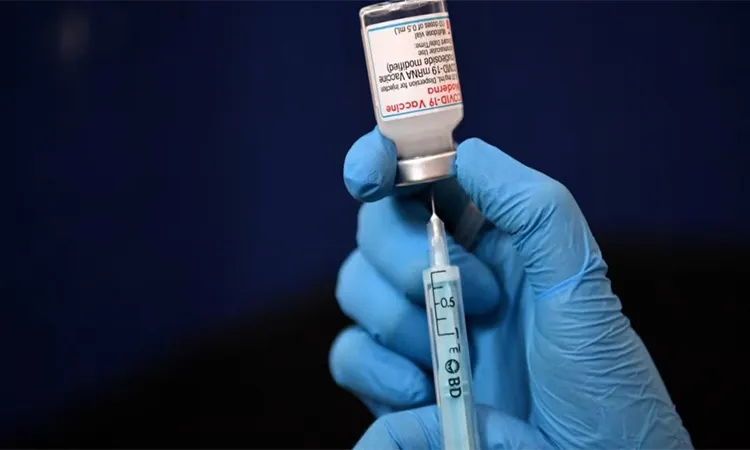
While mRNA (messenger RNA) became a household name during the COVID-19 pandemic, researchers have spent decades studying its potential to fight cancer. The technology uses molecular instructions to teach the body’s immune system how to identify and destroy specific threats.
BioNTech, the German firm that partnered with Pfizer for the COVID-19 vaccine, has been refining cancer-specific mRNA applications for nearly ten years. The progress is gaining significant momentum; the U.S. National Cancer Institute recently committed $200 million to accelerate new vaccine development.
At Memorial Sloan Kettering Cancer Center, Dr. Vinod Balachandran led an experimental trial tailored to Blechner’s specific biology. Unlike traditional vaccines, cancer vaccines must be personalized because tumors originate from a patient’s own cells.
The process involved:
Surgery: Removing the tumor from Blechner’s body.
Analysis: Shipping the tumor sample to Germany for genetic sequencing.
Customization: Creating a unique mRNA vaccine designed to target the specific mutations of her cancer.
The treatment was a grueling marathon. After the vaccine was synthesized, Blechner underwent a regimen of injections alongside immunotherapy. However, the accompanying chemotherapy took a heavy toll.
"I became very sick," she said. "My weight dropped to 90 pounds. I was constantly nauseous, and my liver was damaged." The side effects eventually forced her to stop chemotherapy, leaving the vaccine and her immune system to do the heavy lifting.
Six years later, Blechner is cancer-free. She is part of a promising cohort; in her study of 16 patients, eight showed a robust immune response. Seven of those eight remain healthy today.
While still in the trial phases, researchers believe this breakthrough signals a shift toward a future where "incurable" cancers are managed through personalized genetic medicine.
