
- National
- Bangladesh
- Business
- International
- Sports
- Entertainment
- Politics
- Technology
- Life Style
- Religion
- Opinion
- FIFA World Cup 2026
Monday, 29 June 2026

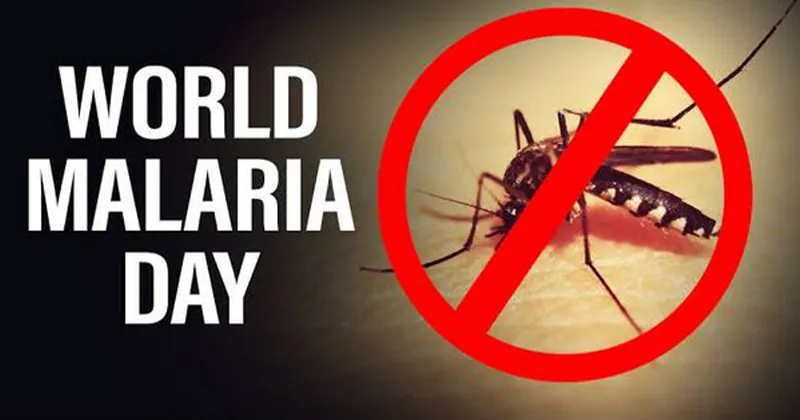
Bangladesh is observing World Malaria Day 2026 today along with the rest of the world, amid growing concern that climate change is increasing the risk of malaria.
Recent changes in weather patterns—such as irregular rainfall and rising temperatures—are creating favorable conditions for mosquito breeding. Both Aedes mosquitoes, which spread dengue, and Anopheles mosquitoes, which transmit malaria, are on the rise.
According to the government’s National Malaria Eradication and Aedes-Borne Disease Control Program, 460 malaria cases were recorded between January and March this year. This averages 153 cases per month and more than five infections daily.
Thirteen districts, including Bandarban, Rangamati, Khagrachari and Cox’s Bazar, remain at high risk.
This year’s World Malaria Day theme—“Driven to End Malaria: Now We Can. Now We Must.”—highlights the need for urgent action, new technologies and scientific progress.
Public health experts say Bangladesh has made significant progress in reducing malaria over the past 15 years. However, challenges remain.
Dr. Md. Golam Charowar, Professor of Entomology at the National Institute of Preventive and Social Medicine (NIPSOM), said the government aims to bring local malaria transmission down to zero between 2024 and 2030. Currently, 51 districts are considered malaria-free.
However, an area must remain free of local transmission for three consecutive years to be officially declared malaria-free. Many districts still lack adequate testing facilities, including microscopy and rapid diagnostic tests (RDTs).
Experts stress the need for stronger mosquito control programs, improved urban management, better planning and modernized public health systems.
In 2025, 16 people died from malaria in Bangladesh. Of them, nine were Rohingya refugees from Myanmar. While deaths among the general population have declined, infection and mortality rates remain higher among Rohingya communities.
Data from January to March this year show 214 cases in Bandarban, 179 in Rangamati, 49 in Cox’s Bazar, 13 in Khagrachari and five in Chittagong.
Malaria remains prevalent in 13 districts, including hill tracts and northeastern regions such as Sylhet, Mymensingh and Kurigram. Although infection numbers have declined compared to earlier years, fluctuations continue.
Climate change is a key factor behind this trend. Studies show that rising temperatures accelerate mosquito breeding and the development of malaria parasites. Changes in rainfall patterns—less rain during monsoon and heavier rain afterward—are also contributing to increased mosquito populations.
Health officials warn that displaced Rohingya populations are particularly vulnerable. Many enter Bangladesh through forested and hilly areas, where exposure to mosquito bites is high. Fear of identity disclosure often prevents them from seeking timely treatment, increasing the risk of severe illness and death.
Experts say sustained surveillance, improved healthcare access and climate-sensitive planning are essential to control malaria and prevent future outbreaks.
