- National
- Bangladesh
- Business
- International
- Sports
- Entertainment
- Politics
- Technology
- Life Style
- Religion
- Opinion
- FIFA World Cup 2026
Friday, 07 August 2026

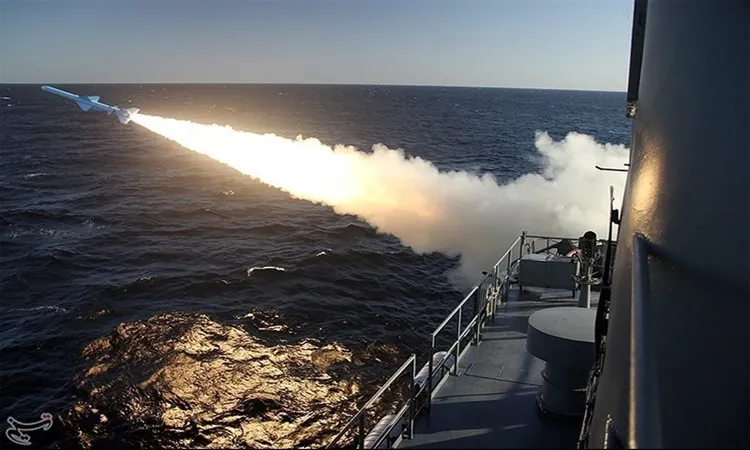
Diplomatic efforts to end the ongoing conflict between the United States and Iran have hit a major roadblock. US President Donald Trump abruptly canceled a planned trip by his peace envoys to Pakistan, while Iran's military warned of severe retaliation if the US continues its naval blockade.
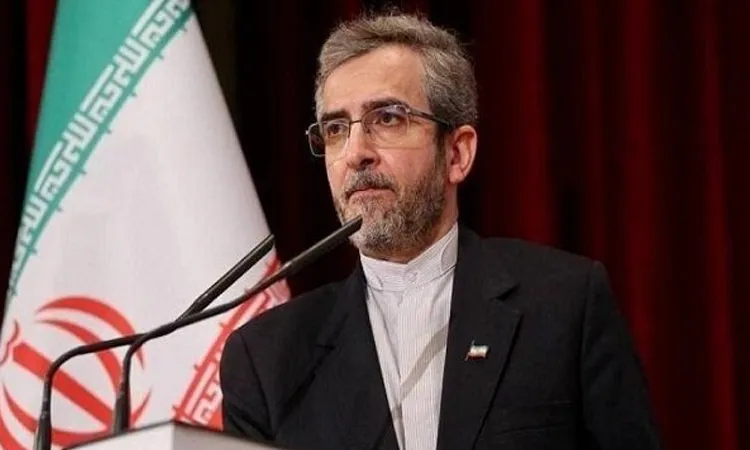
The diplomatic collapse occurred as Iranian Foreign Minister Abbas Araghchi departed Islamabad following talks with Pakistani Prime Minister Shehbaz Sharif. Despite describing the meetings as "fruitful" and establishing a shared peace framework with Pakistan, Araghchi expressed doubt about Washington's intentions, stating he had "yet to see if the US is truly serious about diplomacy."

President Trump called off the 18-hour flight for Special Envoy Steve Witkoff and his son-in-law Jared Kushner, citing "tremendous infighting and confusion" within Iran's leadership following the recent assassination of its top officials. Trump asserted that the US holds "all the cards," adding that Tehran could simply call Washington if they wanted a deal. However, when asked if the cancellation meant an immediate resumption of the war, Trump clarified, "No. It doesn't mean that. We haven't thought about it yet."
Tehran has firmly ruled out direct negotiations with the US and rejected what it calls Washington's "maximalist demands." Following the stalled talks, Araghchi traveled to Muscat, Oman, for further regional consultations.
Military Tensions and the Strait of Hormuz
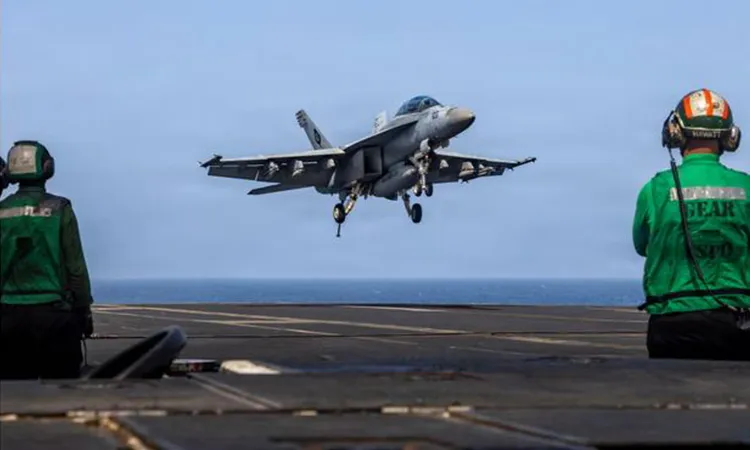
As diplomacy stalls, military posturing has intensified. Iran’s Khatam al-Anbia Central Headquarters issued a stern warning that the Iranian Armed Forces would respond forcefully if the US continued its naval blockade in the region.
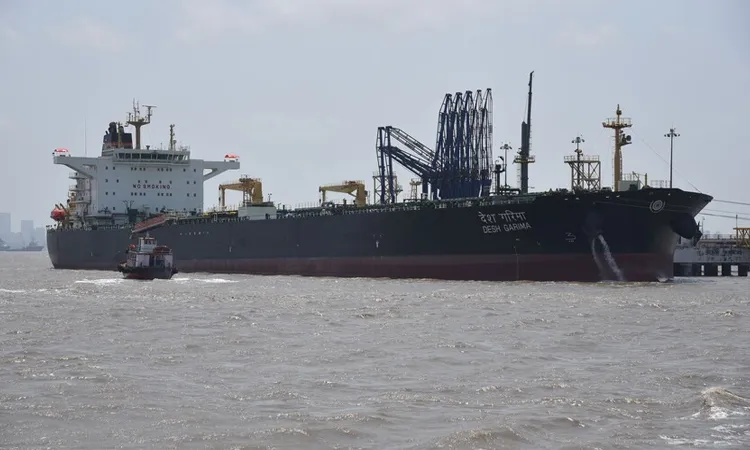
The military command emphasized its readiness to defend Iran's sovereignty, warning that the US had already witnessed its offensive capabilities during the recent conflict, which Tehran refers to as the "third imposed war." Iranian forces maintain they will continue to manage the strategic Strait of Hormuz—a critical global chokepoint for oil and liquefied natural gas—which Iran has largely closed off in response to the US blocking its oil exports.
Iran has made it clear that lifting the US naval blockade is a strict precondition for returning to ceasefire negotiations, labeling the continued blockade a violation of the truce.
Background of the Conflict
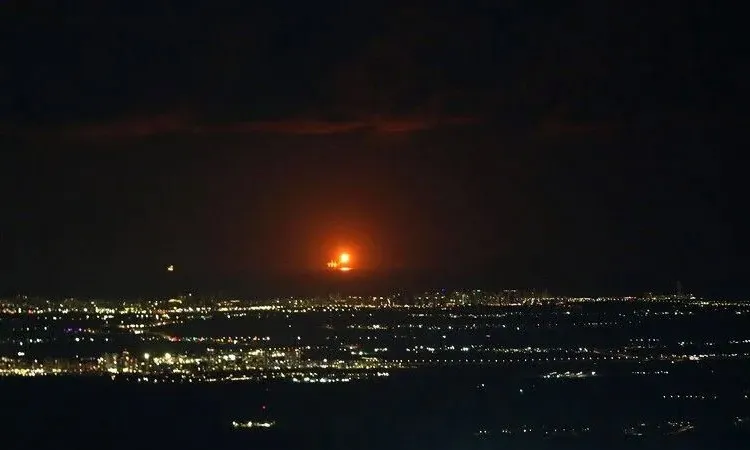
The current impasse stems from the US-Israeli airstrikes on February 28 that killed Iran’s Supreme Leader Ayatollah Seyed Ali Khamenei and several senior military commanders. In retaliation, Iran launched multiple waves of missile and drone strikes against American and Israeli positions across the Middle East over a 40-day period.
A Pakistani-mediated ceasefire was reached on April 8. During initial negotiations in Islamabad on April 11 and 12, Iran proposed a 10-point plan requiring the withdrawal of US forces and the lifting of sanctions. However, talks collapsed after 21 hours due to deep-seated mistrust. The ongoing conflict and the closure of the Strait of Hormuz have pushed global energy prices to multi-year highs, threatening international economic stability.