US President Donald Trump announced Wednesday he will indefinitely extend a ceasefire with Iran to allow for peace talks, though he warned the US naval blockade will remain in place.
The decision comes at the request of Pakistani mediators hosting negotiations in Islamabad. Trump stated on social media that the US would "hold our attack" until Iranian leaders present a "unified proposal" to end the two-month war.
Iranian officials have responded with skepticism. An adviser to Parliament Speaker Mohammad Bagher Ghalibaf dismissed the extension as "meaningless," arguing that the US cannot dictate terms while maintaining a blockade.
"The losing side cannot dictate terms," the adviser said, referring to the ongoing naval standoff.
However, Iran’s UN envoy, Amir Saeid Iravani, offered a potential opening, suggesting Tehran has received "indications" that Washington might lift the blockade in the Strait of Hormuz. Iravani noted that such a move is a prerequisite for Iran to resume formal talks in Pakistan.
The war, which began on February 28 with US-Israeli aerial bombardments, has had a devastating regional impact that over 5,000 civilians killed, primarily in Iran and Lebanon.
Initial strikes killed Supreme Leader Ayatollah Ali Khamenei, who has been succeeded by his son. The virtual closure of the Strait of Hormuz has sent oil prices soaring, sparking global recession fears.
While Trump has pulled back from threats to bomb Iranian infrastructure, he remains firm on Iran’s nuclear program. Washington demands the removal of Iran’s enriched uranium to prevent the development of a nuclear weapon. Iran maintains its program is for peaceful civilian use.
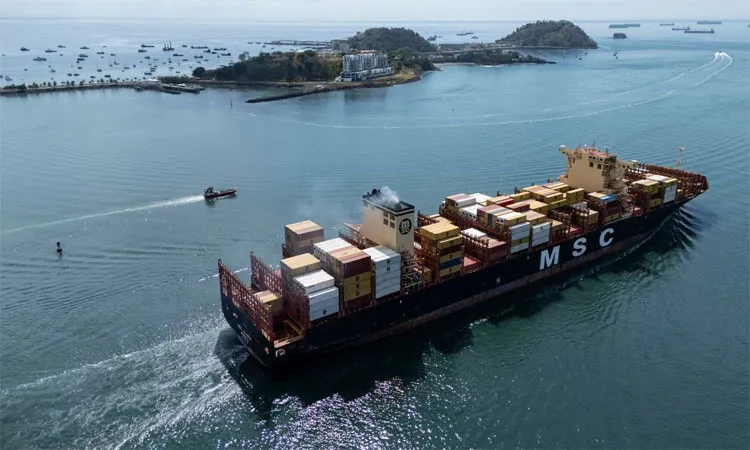
The US Navy continues to intercept Iranian commercial vessels, a move Tehran describes as "piracy and state terrorism." Conversely, the US and its allies condemn Iran for obstructing global shipping routes.