Iran has warned it will respond strongly to any ground attack by the United States, accusing Washington of preparing military action while also signaling interest in talks.
The warning came as regional powers including Pakistan, Saudi Arabia, Turkey and Egypt held discussions in Islamabad on Sunday to ease tensions. Talks focused on reopening the Strait of Hormuz, which remains disrupted.

Iran’s Supreme Leader Mojtaba Khamenei thanked Iraq’s people and religious leaders for their support, according to state media. However, he has not appeared publicly since reportedly being injured in an earlier airstrike, raising questions about his condition.
On the ground, fighting continues to intensify. Israel said it carried out more than 140 airstrikes across Iran, targeting missile sites and military infrastructure.
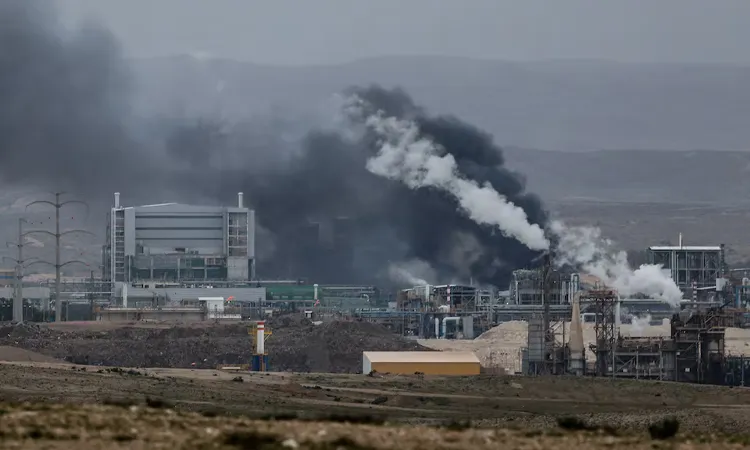
In Israel, a major fire broke out at a chemical facility in the Neot Hovav industrial complex near Beersheba, likely caused by missile debris. Authorities warned of hazardous materials and urged residents to stay indoors. No casualties were reported, but nearby factories were evacuated.
Iranian missile attacks also hit areas near Beersheba, injuring at least 11 people.
The conflict has spread across the region, damaging industrial facilities in Bahrain and the United Arab Emirates. The UAE has demanded compensation and guarantees from Iran to prevent further attacks.
Iran’s parliament speaker Mohammad Baqer Qalibaf accused the U.S. of sending mixed signals—talks on one hand and military preparations on the other—warning that Iran would resist any attempt at forced surrender.
The conflict widened further as Yemen’s Iran-aligned Houthis launched attacks on Israel, raising concerns about possible disruption to another key route, the Bab el-Mandeb Strait.

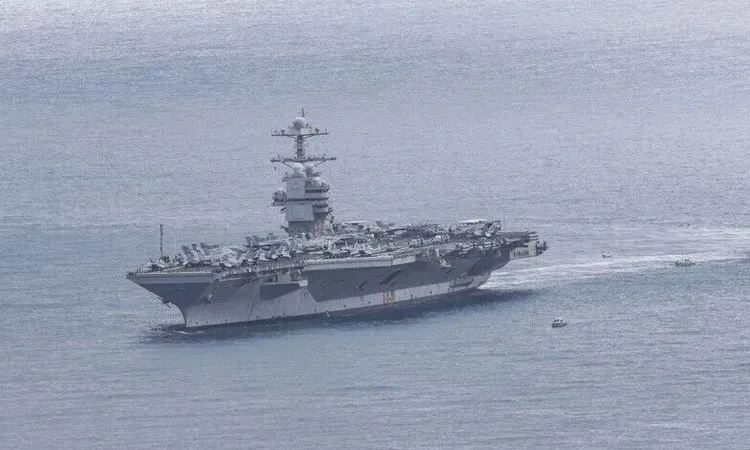
Meanwhile, the U.S. has deployed thousands of Marines to the region. Reports indicate the Pentagon is preparing for possible ground operations, though it remains unclear whether Donald Trump will approve such action.
Diplomatic efforts remain stalled. A U.S. proposal for a ceasefire, including reopening Hormuz and limiting Iran’s nuclear programme, has been rejected by Tehran, which has offered alternative terms.

Analysts warn that continued escalation could prolong the conflict and deepen its impact on global energy markets and supply chains.