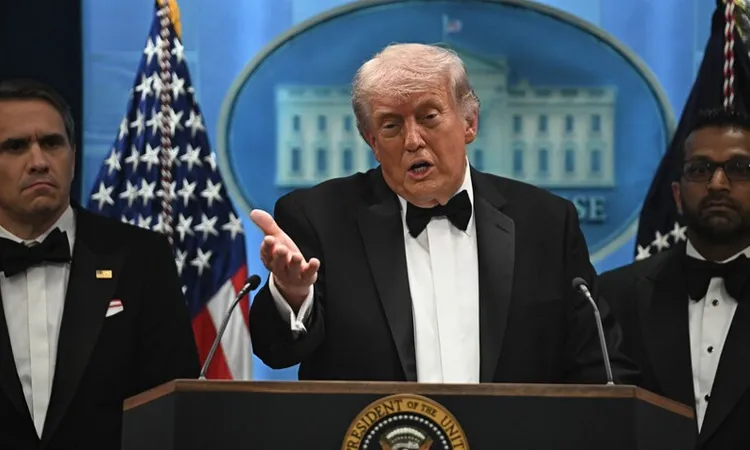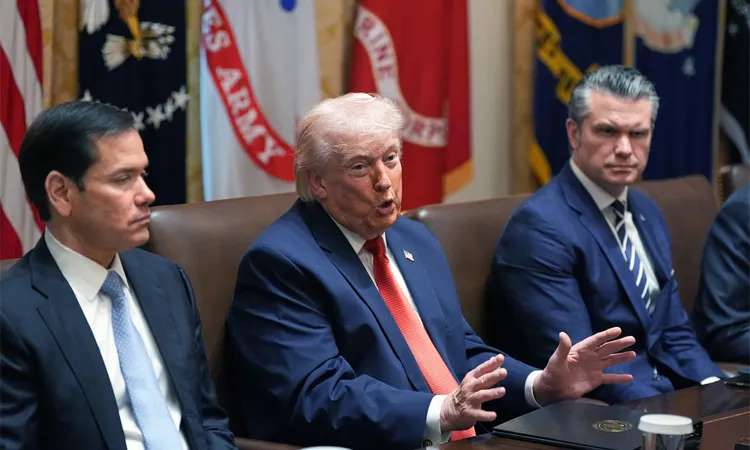
U.S. President Donald Trump has extended a temporary halt on strikes targeting Iran’s energy infrastructure until April 6, 2026, citing ongoing negotiations that he claims are progressing “very well.”
The pause, initially set for five days, has now been doubled to 10 days as part of what Washington describes as a diplomatic window.
However, Iranian officials have strongly denied that any direct negotiations are taking place, dismissing a reported 15-point U.S. proposal as “one-sided and unfair.” The proposal allegedly includes dismantling Iran’s nuclear programme, restricting missile capabilities, and transferring control of the strategically critical Strait of Hormuz.

The conflict, which began on February 28 with joint U.S.-Israel strikes following failed nuclear talks, has escalated into a broader regional war. Thousands have been killed across multiple countries, and the economic fallout has been severe. Oil prices have surged by around 40%, liquefied natural gas costs have spiked, and fertilizer prices have risen by nearly 50%, raising global inflation concerns.
Iran has retaliated with missile and drone attacks targeting Israel, U.S. bases, and Gulf states. It has also effectively disrupted shipping through the Strait of Hormuz, a route that carries roughly 20% of global oil and gas supplies. Limited tanker movement has been reported amid rising security threats.

Despite Trump’s claim that Iran requested a pause, Tehran has denied making such a request. Mediation efforts are reportedly ongoing through countries like Pakistan, Turkey, and Egypt, though no formal negotiation framework has been confirmed.
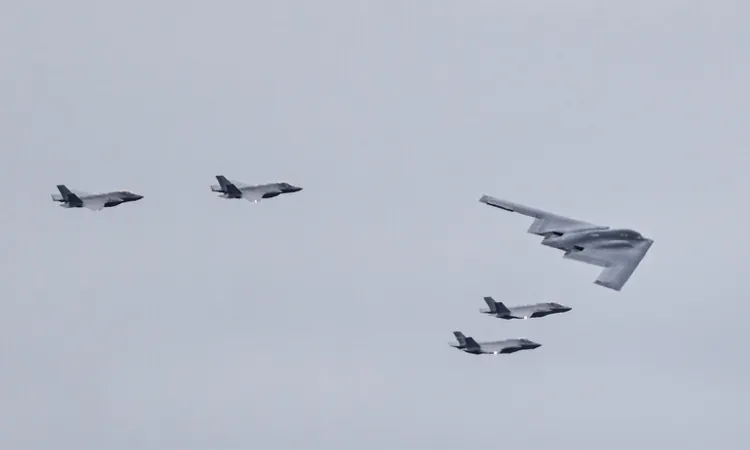
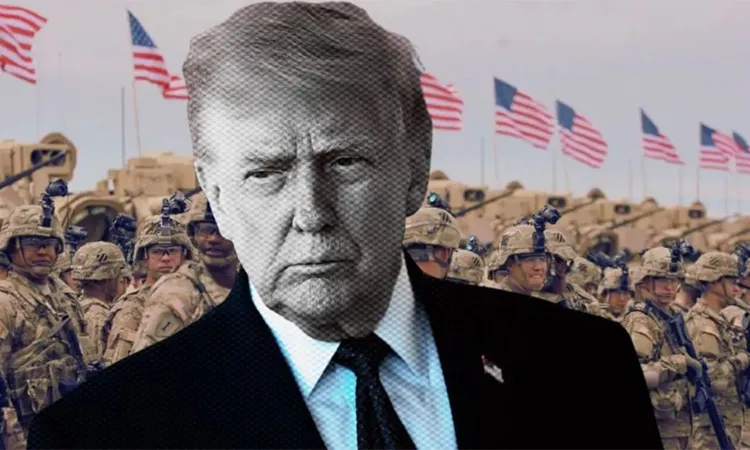
Meanwhile, the U.S. military is expanding its operational posture. The Pentagon is considering deploying up to 10,000 additional troops to the Middle East and has introduced uncrewed drone speedboats for maritime patrols—marking the first confirmed use of such systems in an active conflict. These vessels are part of “Operation Epic Fury,” aimed at enhancing surveillance and deterrence.
Washington is also evaluating more aggressive options, including a potential ground operation to seize Iran’s key oil export hub at Kharg Island, which handles about 90% of the country’s oil exports. Analysts warn that such a move could significantly escalate the conflict and expose U.S. forces to missile and drone attacks.
Legal and humanitarian concerns are mounting. Rights groups, including Amnesty International, have warned that targeting civilian energy infrastructure could constitute a violation of international law and potentially amount to war crimes under the Geneva Conventions.
Despite intermittent diplomatic signals, the war shows no clear path to resolution. Iran continues to demand security guarantees, compensation for damages, and recognition of its authority over regional waterways, while also insisting that broader regional actors be included in any ceasefire agreement.