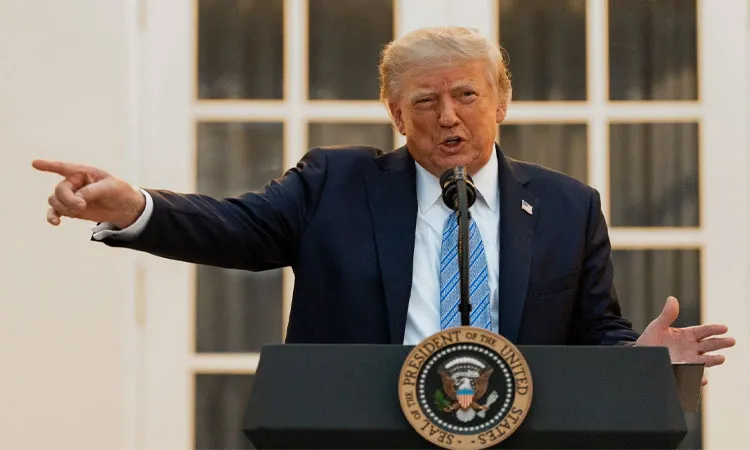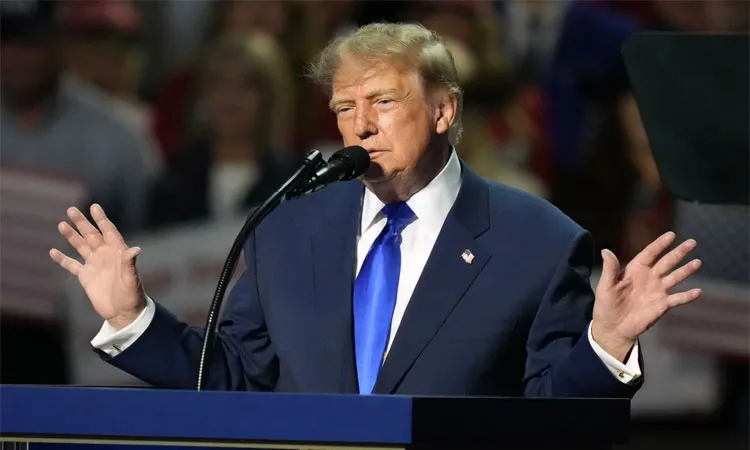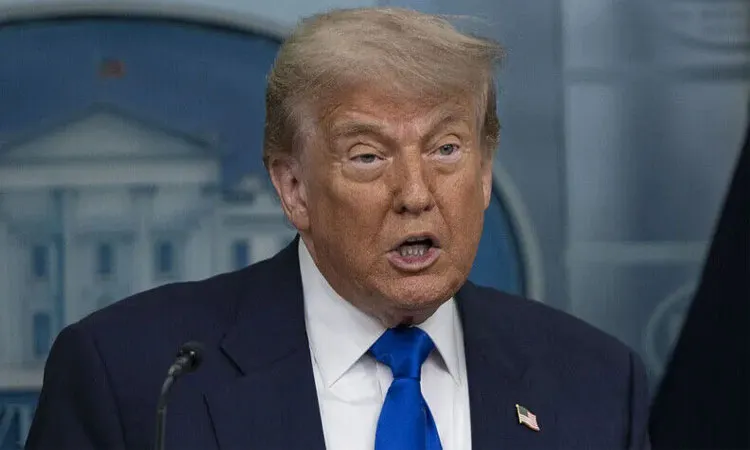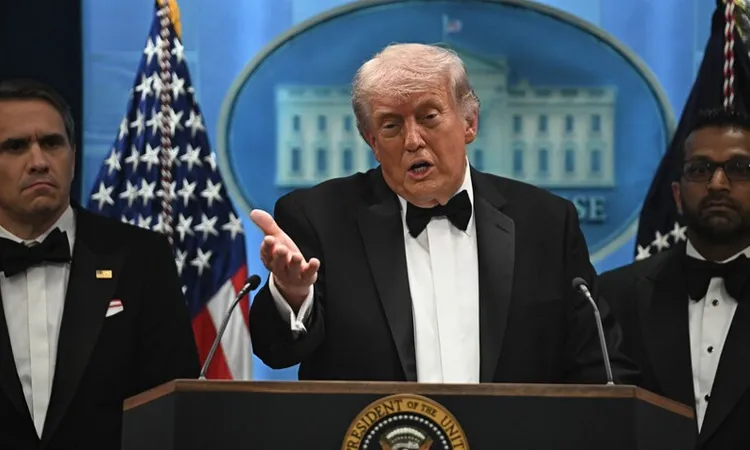
US President Donald Trump announced on Tuesday a temporary pause to "Project Freedom," a military initiative aimed at escorting commercial ships through the Strait of Hormuz, citing significant progress toward a final agreement with Iran.
In a statement on his Truth Social platform, Trump said the decision followed requests from Pakistan and other allied nations. He highlighted the "tremendous military success" of the recent US campaign against Iran, noting that while the US naval blockade remains in effect, the physical escort of ships will be paused briefly to see if a final peace agreement can be signed.
The announcement follows confirmation from US Secretary of State Marco Rubio that "Operation Epic Fury"—the major military offensive launched alongside Israel on 28 February—has officially concluded. However, Rubio cautioned that hostilities could resume if Tehran does not abandon its nuclear ambitions and lift its blockade of the critical waterway.

The ongoing standoff in the Strait of Hormuz has triggered a global energy crisis, driving US gas prices up by 50% and threatening export-heavy economies like China. According to Rubio, the humanitarian situation is dire: roughly 23,000 civilian sailors from 87 countries are currently stranded in the Persian Gulf, with at least 10 reported deaths linked to the prolonged isolation and harsh conditions.
Meanwhile, Iran has introduced a new regulatory mechanism for the strait. State-run Press TV reported Tuesday that vessels must now secure a prior transit permit via an email system managed by the newly formed Persian Gulf Strait Authority (PGSA).
Despite diplomatic efforts, including a truce initially brokered by Islamabad on 8 April, the region remains highly volatile. The United Arab Emirates recently reported intercepting fresh drone and missile attacks from Iran, and the UK maritime authority confirmed that a cargo vessel was struck by an unidentified projectile in the strait.
As Washington evaluates the potential for a final treaty, diplomatic pressure continues. Iranian Foreign Minister Abbas Araghchi is currently in Beijing for talks, prompting US officials to publicly urge China to use its economic leverage to help end the blockade.