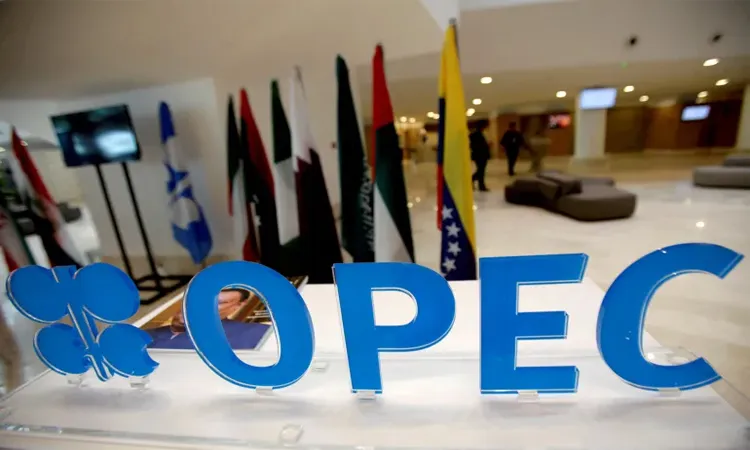
In a move that has sent shockwaves through global energy markets, the United Arab Emirates (UAE) has officially announced its departure from the Organization of the Petroleum Exporting Countries (OPEC).
The exit ends 60 years of membership and marks a significant shift in the geopolitical landscape of the Middle East.
A Sovereign Strategic Move
Sultan Al Jaber, UAE Minister of Industry and managing director of Adnoc, described the withdrawal as a "sovereign decision" aligned with the nation's long-term energy strategy. The UAE, OPEC's third-largest producer, plans to sever ties by May 1. This move allows the country greater flexibility to increase production and monetize its remaining oil reserves before global demand for fossil fuels declines.

Impact on OPEC and Saudi Arabia
The departure is a heavy blow to OPEC and its de facto leader, Saudi Arabia. For decades, the group has controlled global prices by setting production limits. However, tensions have simmered between Abu Dhabi and Riyadh over these curbs. With a capacity of 4.8 million barrels a day, the UAE is now positioned to operate outside these quotas, potentially weakening OPEC's influence over the market.
Geopolitical Context
The announcement comes amid extreme market volatility caused by the ongoing conflict involving the US, Israel and Iran. The war has blocked nearly 20% of the world’s seaborne oil passing through the Strait of Hormuz.
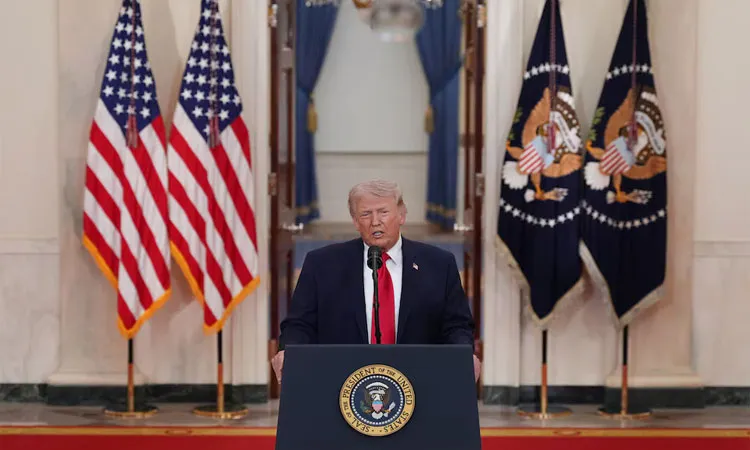
Analysts also view this as a victory for US President Donald Trump, who has frequently criticized OPEC for "ripping off the world" by inflating prices. Recently, the US and UAE discussed a currency exchange agreement to provide a financial lifeline to the Emirates if the Middle East crisis deepens.

While immediate impacts may be limited due to shipping disruptions in the Gulf, experts warn of a structurally weaker OPEC. "This opens the door for the UAE to gain global market share once the situation normalizes" said Monica Malik, chief economist at ADCB.