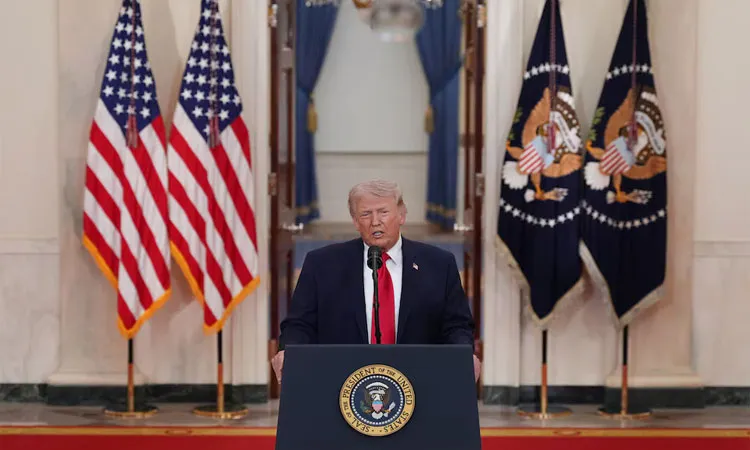
In a prime-time address from the White House, Donald Trump told Americans that the United States is close to achieving its military objectives in the ongoing war with Iran, now in its fifth week. He described the campaign as a success and claimed the US holds a decisive advantage, stating, “We have all the cards.”
However, Trump did not provide a concrete timeline or strategy for ending the conflict, only indicating that operations would continue for another “two to three weeks.” While emphasizing progress, he also warned of intensified strikes if Iran does not agree to US terms during ongoing discussions.
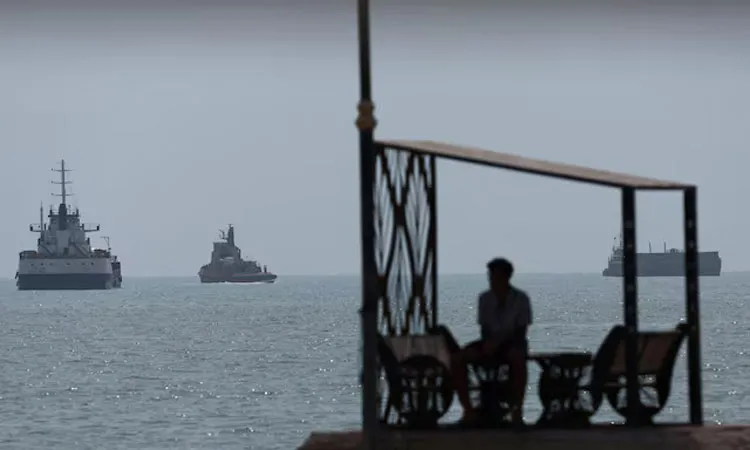
The conflict, which began on February 28, has caused significant global disruption. Iran has effectively shut down the Strait of Hormuz—a critical route for global oil shipments—leading to soaring energy prices and market instability. In the United States, gasoline prices have risen above $4 per gallon for the first time since 2022.
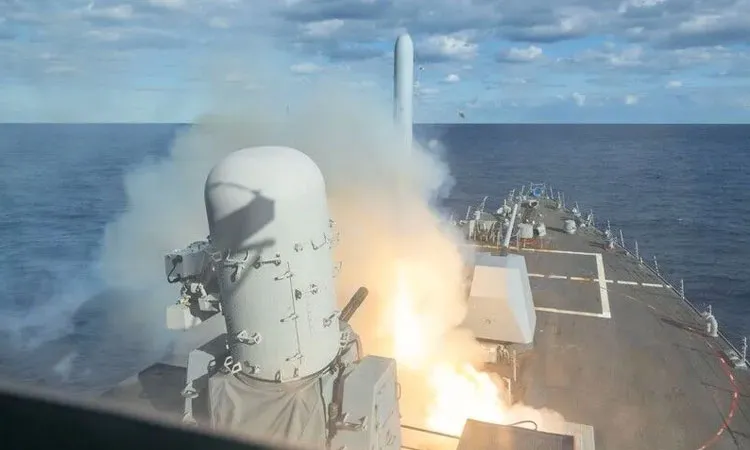
Trump claimed US forces have destroyed Iran’s navy and air force and weakened its missile and nuclear capabilities. According to US Central Command, more than 12,000 targets have been struck under “Operation Epic Fury.” Despite these claims, analysts question whether core objectives—particularly halting Iran’s nuclear potential—have been fully achieved, noting that enriched uranium stockpiles remain largely intact underground.
The human cost of the war has been severe. Estimates from the International Federation of Red Cross and Red Crescent Societies suggest at least 1,900 people have been killed and 20,000 injured in Iran alone. Casualties have also been reported in Lebanon and Israel, while 13 US service members have died.
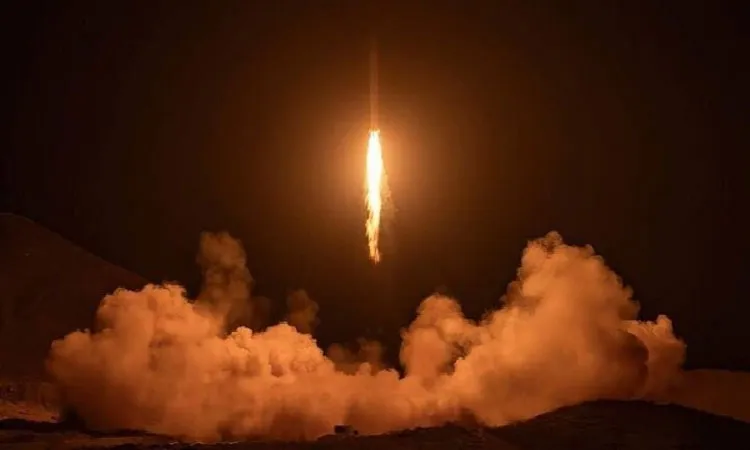
Iran has continued retaliatory strikes across the region, including missile attacks on Israel and other Middle Eastern targets. Meanwhile, Israeli forces have conducted additional strikes in Tehran and reportedly killed a senior Hezbollah commander in Beirut.
Iranian President Masoud Pezeshkian criticized the US intervention, questioning its justification and accusing Washington of acting under Israeli influence. Tehran has also denied US claims that it sought a ceasefire, calling such statements “false and baseless.”
The war has strained US relations with its allies. Trump criticized Western partners for not supporting the military campaign and even suggested reconsidering ties with NATO. His remarks have added to concerns about weakening transatlantic cooperation.
Financial markets reacted negatively to the speech. Stocks fell, the dollar strengthened, and oil prices rose, reflecting investor uncertainty over the war’s trajectory and lack of a clear resolution plan.
Despite Trump’s insistence that the conflict will end soon, uncertainty remains high. Key issues—such as reopening the Strait of Hormuz, managing Iran’s nuclear capabilities, and preventing further regional escalation—remain unresolved. Analysts warn that without a clear strategy, the conflict could either drag on or intensify further.