- National
- Bangladesh
- Business
- International
- Sports
- Entertainment
- Politics
- Technology
- Life Style
- Religion
- Opinion
- FIFA World Cup 2026
Friday, 07 August 2026

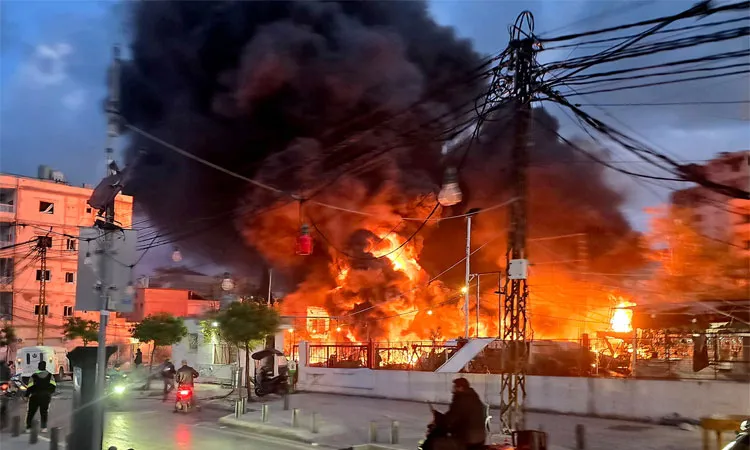
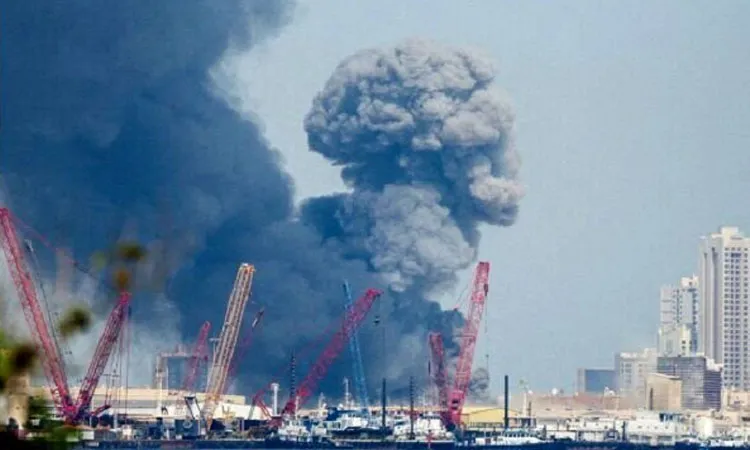
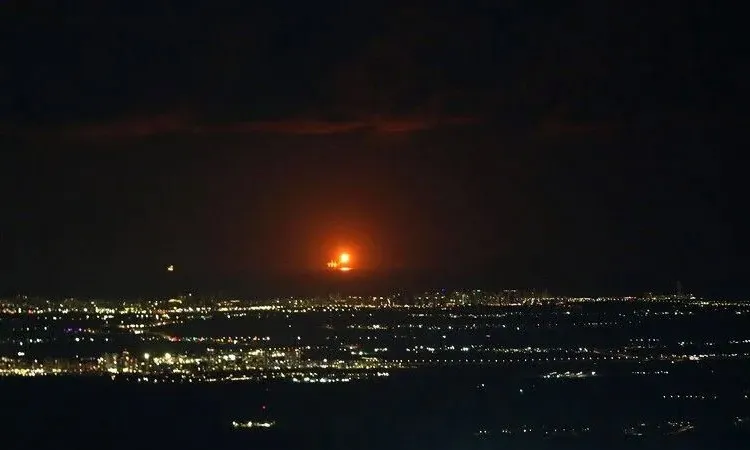
Tensions in the Middle East continue to escalate as Iran and the United States exchange strong warnings while military operations expand across the region.
Iran’s parliament speaker Mohammad Bagher Ghalibaf said on Thursday that the United States had already suffered “painful damage” from Iran’s retaliatory strikes. In a message posted on X, he warned that Washington would “bitterly regret” its actions and that Iran would continue to pursue those responsible for the attacks.
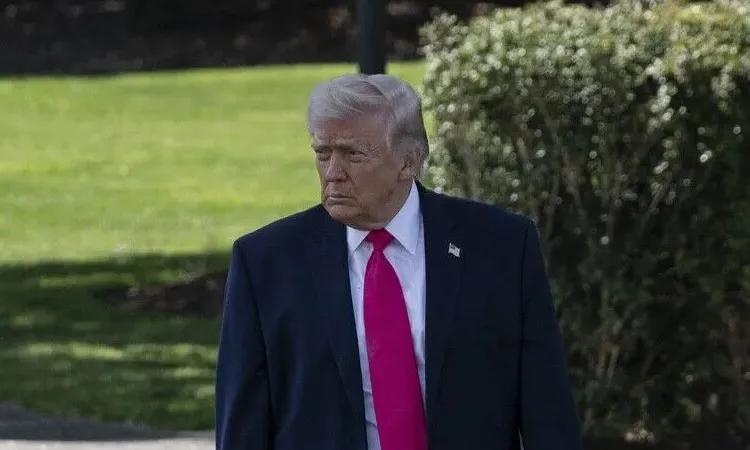
Earlier, US Defence Secretary Pete Hegseth said American forces were “winning decisively” and capable of continuing the fight for as long as necessary. Former US president Donald Trump also suggested the conflict could last several weeks.

Regional tensions spread The conflict has already spread beyond Iran and Israel, raising fears of a wider regional war.
Authorities in Azerbaijan said two Iranian drones crossed the border and struck near Nakhchivan International Airport, injuring two people. One drone hit the airport terminal while another landed near a school building in a nearby village.
Azerbaijan demanded an explanation from Iran and warned it could take “appropriate response measures.”
Meanwhile, Turkey said it was closely monitoring the activities of the Kurdish militant group Kurdistan Free Life Party, which Ankara says threatens regional stability.
Missile attacks and rising tensions
Missile and drone strikes have also been reported across several Middle Eastern countries. Air defence systems in Doha intercepted incoming missiles on Thursday, while smoke was seen rising from a residential area on the edge of the capital.
Security analysts say the conflict may widen further as armed groups along Iran’s borders become involved. Kurdish opposition fighters and other militant groups have reportedly moved toward border areas in northern Iraq.
Experts warn that supporting ethnic militant groups inside Iran could increase internal instability and risk triggering a broader civil conflict.
Rising death toll across the region
The war has already caused significant casualties across several countries. According to available reports as of March 5: Iran: More than 1,000 people killed, including many civilians. Israel: 10 civilians killed in missile strikes. Lebanon: 77 people killed in Israeli airstrikes. Kuwait: Three people killed, including two soldiers. United Arab Emirates: Three people killed. Bahrain: One death reported after a missile interception incident. Syria: Four people killed in a missile strike. Iraq: At least 13 people killed. US military: Six American service members killed in a strike on a facility in Kuwait.
Military analysts warn that the situation remains highly volatile as strikes continue and diplomatic efforts to de-escalate the crisis have yet to produce results.