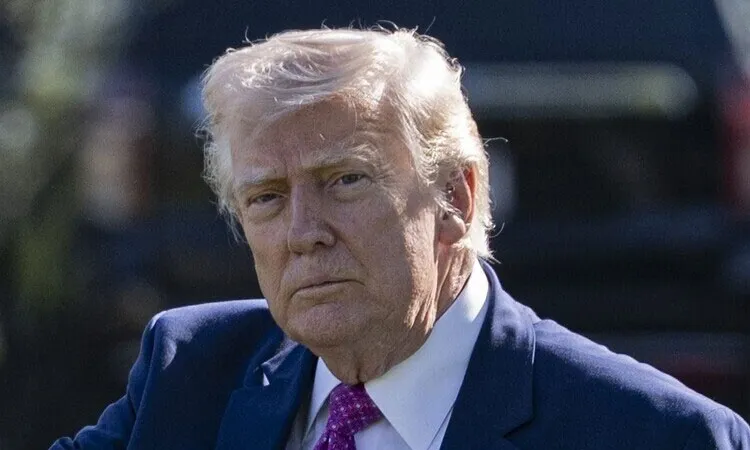
US President Donald Trump has agreed to "consider the advice" of Pakistan's Army Chief General Asim Munir regarding the naval blockade of the Strait of Hormuz. The blockade remains a major sticking point as Pakistan attempts to broker a second round of peace talks between Washington and Tehran.
The development followed a high-stakes phone call between the two leaders on Monday. Sources told Anadolu that Gen. Munir explicitly identified the US-led blockade as the primary "hurdle" preventing Iran from returning to the negotiating table.
While Trump has confirmed that US representatives are prepared to fly to Islamabad, Tehran has yet to officially commit. The Iranian leadership has consistently demanded the lifting of the blockade on its ports as a prerequisite for further dialogue.

The diplomatic push follows an unprecedented high-level meeting in Islamabad on April 11-12—the first such engagement since 1979. While those talks ended without a breakthrough, they did secure a two-week ceasefire that began on April 8.
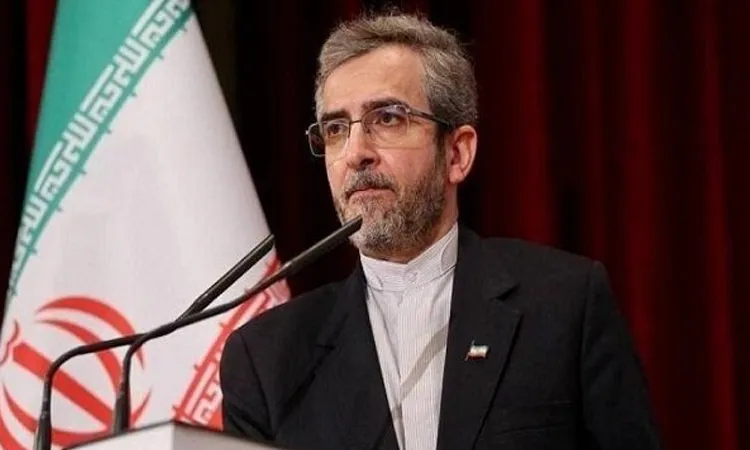
Iranian Foreign Ministry spokesman Esmaeil Baqaei stated that Tehran will not accept "deadlines or ultimatums." However, President Masoud Pezeshkian took a more conciliatory tone on Monday, urging "every rational and diplomatic path" to avoid a war that serves no one's interest.
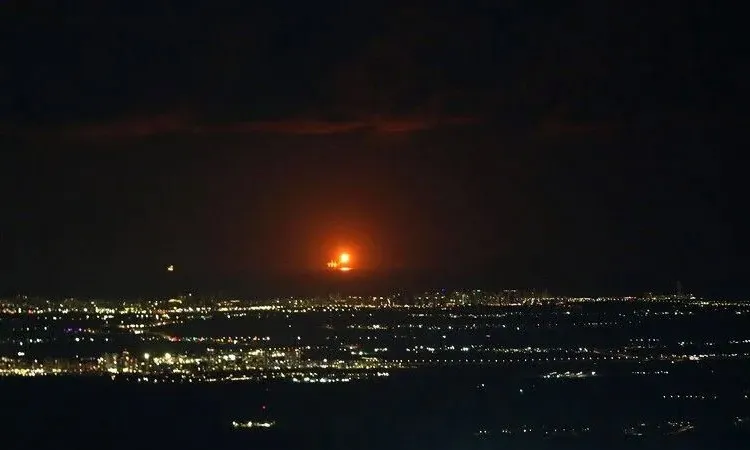
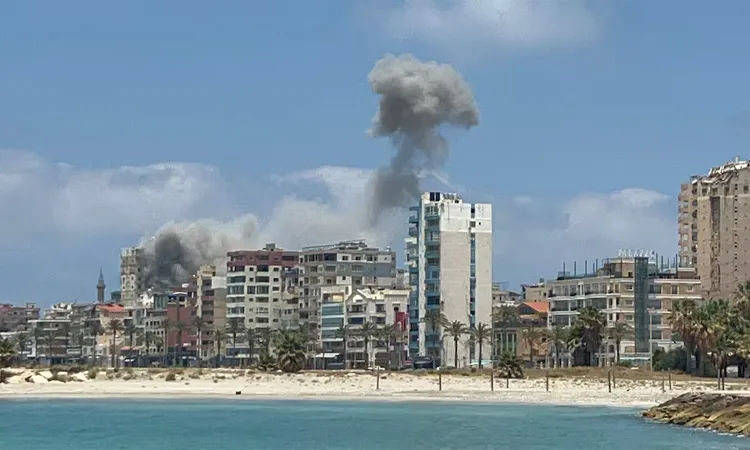
The Strait of Hormuz has been largely closed since February 28, following the initiation of US and Israeli military operations against Iran.
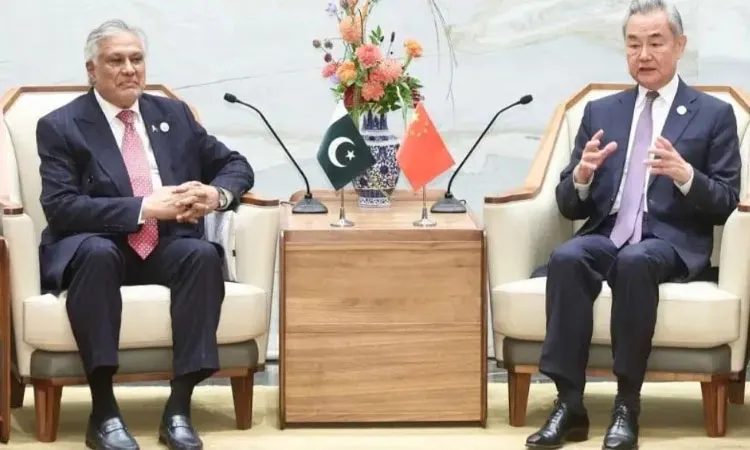
In a separate diplomatic move, Pakistan’s Foreign Minister Ishaq Dar discussed the regional crisis with Australian Foreign Minister Penny Wong. Both expressed deep concern over the conflict’s impact on the global economy and developing nations.
Minister Wong praised Pakistan’s "constructive role" in facilitating the dialogue, which remains the most viable path toward de-escalation in the Middle East.