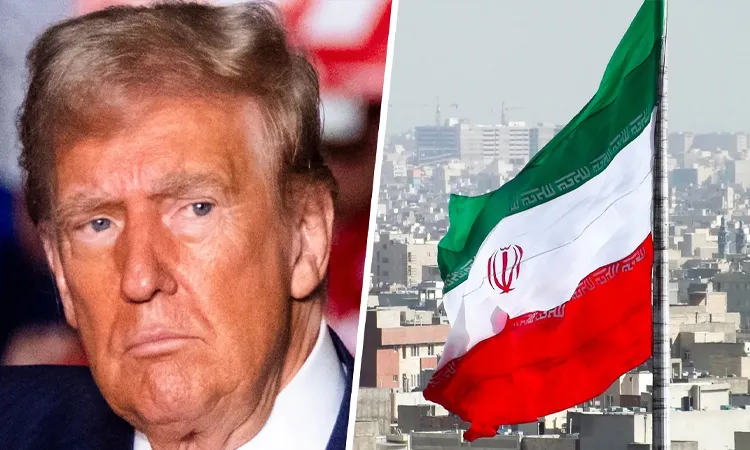
The Middle East stands on the precipice of a total regional conflagration as U.S. President Donald Trump warned that a "whole civilization will die tonight" if Tehran fails to meet an 8:00 PM Eastern Time deadline to reach a new nuclear and maritime agreement.
The Ultimatum: "A Moment of History"
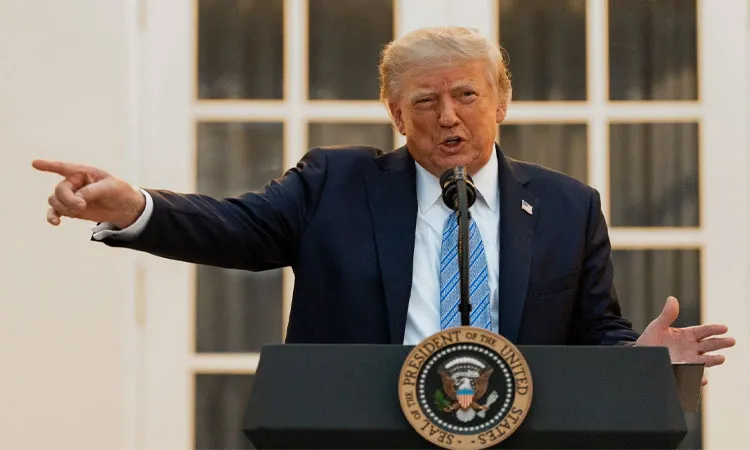
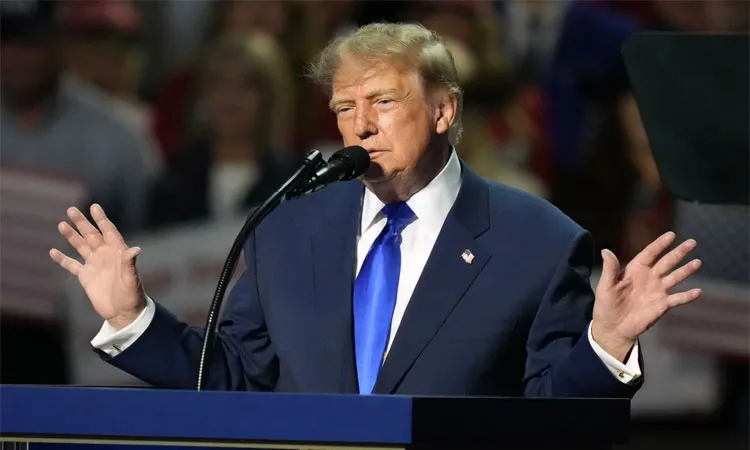
Writing on Truth Social, President Trump issued his most ominous rhetoric to date, suggesting that the 47-year era of the current Iranian establishment is reaching a finality.
"A whole civilization will die tonight, never to be brought back again," Trump posted. "I don’t want that to happen, but it probably will." Despite the dark warning, the President hinted at a "revolutionarily wonderful" outcome should a "Complete and Total Regime Change" lead to smarter leadership in Tehran.
White House Press Secretary Karoline Leavitt echoed the gravity of the situation, stating that only the President knows the specific military response planned should the 8:00 PM deadline pass without the full reopening of the Strait of Hormuz.
Escalating Strikes and Human Toll
As the clock ticks down, military activity has intensified: Infrastructure Attacks: Israeli Prime Minister Benjamin Netanyahu confirmed strikes on Iranian rail bridges and infrastructure in Kashan, allegedly used by the IRGC.
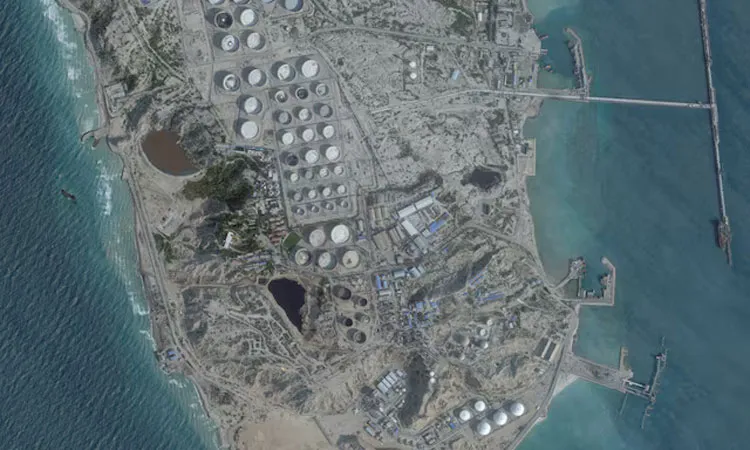
Energy Sector Hit: Reports indicate further strikes on Kharg Island, Iran’s primary oil export terminal.
Civilian Casualties: The Human Rights Activists News Agency (HRANA) reports that nearly 3,600 people have been killed in US-Israeli strikes since the campaign began, including 1,665 civilians and 248 children.
Southern Lebanon: The Israeli military has ordered all vessels off the coast of southern Lebanon to move north of Tyre, signaling an expansion of naval operations against Hezbollah.
Diplomatic Last-Ditch Efforts
Pakistan has emerged as the primary intermediary in a desperate attempt to avert a "dark night." Foreign Minister Ishaq Dar informed the Pakistani Senate that Islamabad had facilitated a 15-point proposal from the U.S. and a 5-point counter-proposal from Tehran.
While Dar expressed early optimism, he blamed recent Israeli strikes for "spoiling" the atmosphere of the talks just as both sides were prepared to sit down in Islamabad.
The Iranian Response
The IRGC has remained defiant, stating that any "red lines" crossed—specifically attacks on civilian facilities—will result in a response that extends "outside the region." Iranian officials warned they would deprive the U.S. and its allies of oil and gas "for many years" if the conflict escalates further.
Environmental and Humanitarian Crisis
Beyond the immediate casualties, an environmental disaster is unfolding in the Gulf. Satellite imagery shows a massive oil slick from the Shahid Bagheri, an Iranian drone carrier hit earlier in the conflict. Experts warn the leak threatens critical wetlands and the livelihoods of coastal communities.
Meanwhile, UN Rights Chief Volker Turk has condemned the "incendiary rhetoric" from all sides, reminding world leaders that deliberate attacks on civilian infrastructure constitute war crimes under international law.