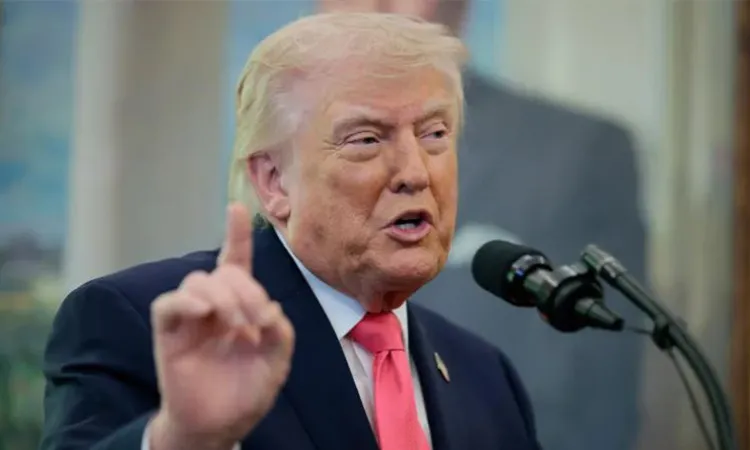
U.S. President Donald Trump announced on Monday that a "regime change" has occurred in Iran, claiming his administration is now negotiating with a "new, rational group" within the country.
Speaking on March 30, exactly one month after the outbreak of the U.S.-Iran conflict on February 28, Trump stated that the new leadership is "very pragmatic" and interested in resolving the crisis through diplomacy.
"I am now working with a completely different group," Trump said. "They are much more interested in negotiations than the previous hardline leadership, which has been cornered by military and economic pressure."
The White House has not yet identified the members of this group or their positions within the Iranian government. The announcement adds to the growing uncertainty surrounding the status of Iran’s Supreme Leader, Mojtaba Khamenei. Trump previously questioned whether Khamenei was still alive, fueling speculation that Washington is bypassing traditional power structures to deal with a new faction in Tehran.
International observers suggest that a month of intensive airstrikes targeting energy and military infrastructure, combined with crippling sanctions, may have fractured Iran's domestic political landscape. While rumors of internal shifts persist, Iranian state media has not officially acknowledged a change in government. Instead, state outlets continue to broadcast messages attributed to the Supreme Leader, calling for national resistance.
Analysts remain divided. If a moderate faction has indeed seized control, it could signal the end of the month-long war. However, critics warn that Trump’s claims could be a psychological operation designed to sow confusion among the Iranian public and weaken military morale.