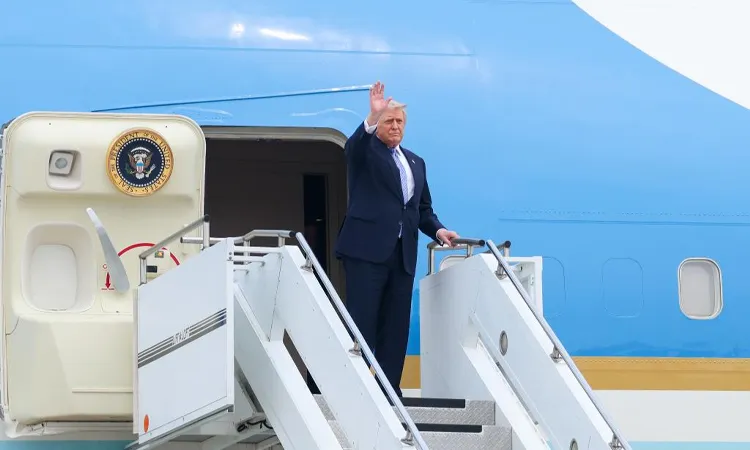
U.S. President Donald Trump departed China on Friday afternoon, concluding a high-stakes two-day state visit that prioritized diplomatic pageantry over significant policy breakthroughs.
While the summit was marked by "warm words" and symbolic gestures, tangible progress on the ongoing Iran conflict and trade remains elusive. Trump was seen off at Beijing Capital Airport by Chinese Foreign Minister Wang Yi, following a final lunch of Kung Pao scallops at the historic Zhongnanhai complex.

Pageantry vs. Policy
The visit—the first by a sitting U.S. president since 2017—aimed to bolster Trump’s domestic approval ratings ahead of the upcoming midterm elections. However, the outcomes were mixed.
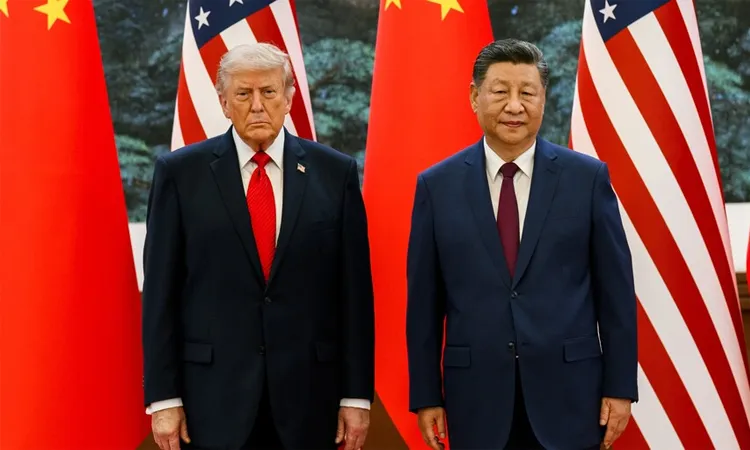
Behind the scenes, President Xi Jinping issued a stern warning regarding Taiwan, cautioning that any "mishandling" of the issue could lead to direct conflict. Conversely, Trump remained uncharacteristically restrained, focusing his public remarks on his personal rapport with Xi, which he described as "very strong."

The Iran Deadlock
A primary goal of the trip was to secure Beijing's help in ending the conflict in the Middle East, triggered by U.S. and Israeli strikes on Iran in February 2026.
Trump’s View: Stated that both leaders feel "very similar" on Iran and want the Strait of Hormuz reopened.
China’s Stance: Remained non-committal. The Foreign Ministry issued a statement calling the war "unnecessary" but offered no specific military or economic pressure on Tehran.

Analysts suggest Xi is reluctant to squeeze Iran, viewing the nation as a vital strategic counterweight to U.S. influence in the region.
Trade and Economic Shortfalls
On the economic front, the "fantastic trade deals" touted by the White House fell short of market expectations:
Aviation: China agreed to purchase 200 Boeing jets—the first such order in nearly a decade—but investors had anticipated 500. Boeing shares dropped 4% following the news.
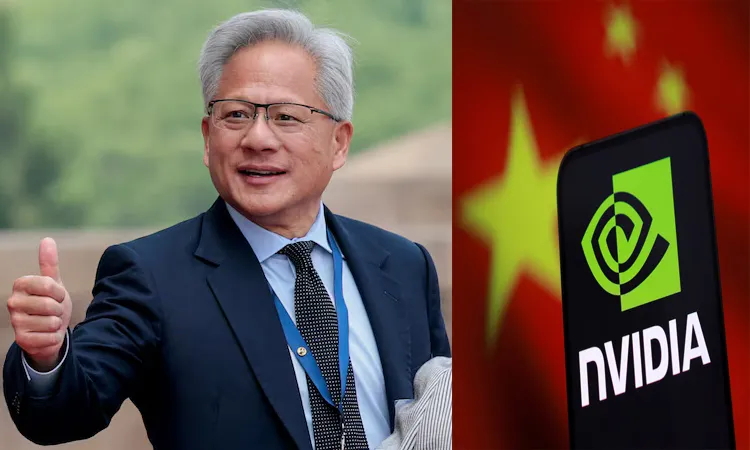
Technology: No progress was reported on the sale of advanced Nvidia AI chips, despite CEO Jensen Huang joining the delegation.
Resources: The "rare earths" supply crisis remains unresolved. China’s export controls continue to strain U.S. aerospace and chip sectors.
A Stabilized Relationship?
Despite the lack of a "grand bargain," both leaders emphasized a desire for stability. Secretary of State Marco Rubio confirmed that while the U.S. remains firm on Taiwan and the imprisonment of Hong Kong activist Jimmy Lai, both nations are seeking a "steadier footing."
Xi Jinping closed the summit by describing the U.S.-China bond as the world’s most important relationship, stating, "We must make it work and never mess it up."