Fighting between Israel and Iran continued on Saturday as the war entered its second week, while Tehran issued an apology to neighbouring Gulf states after strikes affected civilian targets in the region.
Iranian President Masoud Pezeshkian said Iran’s temporary leadership council had approved suspending attacks on nearby countries unless those nations launch attacks on Iran.
“I personally apologise to neighbouring countries that were affected by Iran’s actions,” Pezeshkian said, signalling an attempt to ease tensions with Gulf states.
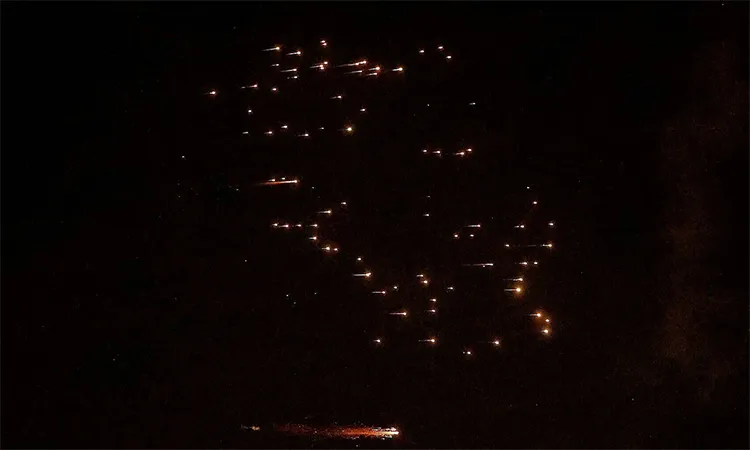
The conflict began after large-scale strikes by the United States and Israel on Iranian targets on February 28. Since then, Iran has launched missile and drone attacks against Israel and locations across the Gulf region hosting U.S. military facilities. Israel has also targeted the Iran-backed Hezbollah group in Lebanon.
Over the past week, several Gulf countries—including the United Arab Emirates, Kuwait, Qatar, Bahrain and Saudi Arabia—have reported missile and drone attacks. Regional governments expressed anger after civilian infrastructure such as hotels, ports and oil facilities were hit.
Gulf states host American military bases but had previously informed Washington they would not allow those facilities to be used to launch attacks on Iran.
The widening conflict has also affected global markets. Analysts say instability in the Gulf—one of the world’s key energy hubs—has pushed up energy prices and disrupted logistics and trade routes.
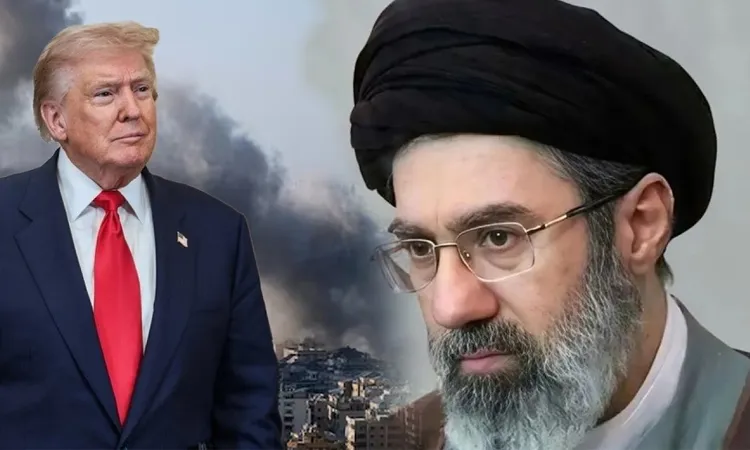
Diplomatic prospects for an early end to the conflict appear limited. U.S. President Donald Trump has called on Tehran to agree to “unconditional surrender”.
According to Iran’s ambassador to the United Nations, Amir Saeid Iravani, at least 1,332 Iranian civilians have been killed and thousands injured in the U.S.–Israeli strikes. Iranian attacks have killed 11 people in Israel, while at least six U.S. service members have also died.
Meanwhile, Vladimir Putin of Russia expressed condolences to Iran over civilian casualties and called for an immediate ceasefire. The Kremlin said Moscow supports a diplomatic solution and rejects the use of force to resolve disputes in the Middle East.
Separately, India allowed an Iranian naval vessel, the IRIS Lavan, to dock at the southern port city of Kochi as a humanitarian gesture after the ship reported technical problems. The request came shortly after the conflict began.
Indian External Affairs Minister Subrahmanyam Jaishankar said the decision was taken from a humanitarian perspective despite the ongoing war.
Earlier in the week, a U.S. submarine sank the Iranian naval frigate IRIS Dena near Sri Lanka, reportedly killing dozens of people.
With military actions continuing across several countries and diplomatic talks stalled, analysts warn that the conflict could further destabilise the wider Middle East region.