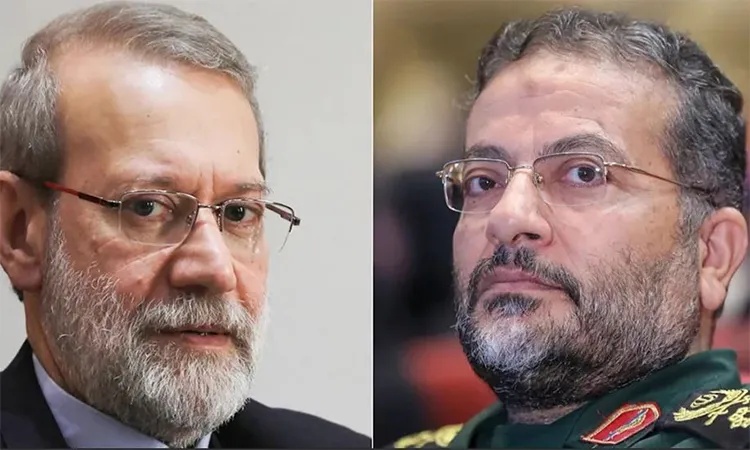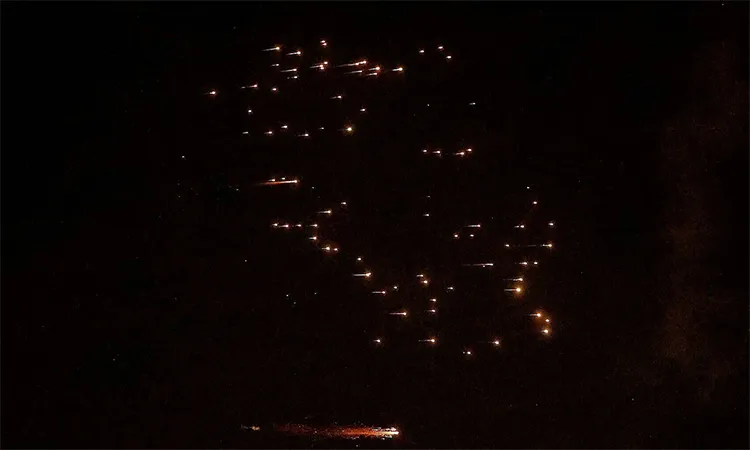
Iran has launched a barrage of cluster-warhead missiles at Tel Aviv in retaliation for the assassination of its top security official, Ali Larijani. The Iranian state television confirmed the strikes on Wednesday, March 18, 2026. The move marks a significant escalation in the ongoing conflict between Iran and the joint forces of Israel and the United States.
In a separate development, Tehran informed the International Atomic Energy Agency (IAEA) that a projectile struck the Bushehr nuclear power plant on Tuesday evening. While the facility's premises were hit, officials confirmed there were no casualties or damage to the plant itself.
IAEA Director General Rafael Grossi has issued an urgent plea for "maximum restraint," warning that any strike on active nuclear infrastructure poses a severe risk of a nuclear accident.
The recent wave of hostilities began over two weeks ago when Israel and the U.S. launched Operation Epic Fury, aimed at dismantling Iran’s nuclear weapons program and leadership.
Ali Larijani, the Secretary of the Supreme National Security Council, was confirmed dead yesterday following an Israeli strike.
Larijani was the most senior official killed since the assassination of Supreme Leader Ayatollah Ali Khamenei on February 28, the first day of the war.
Reports also confirmed the deaths of Larijani’s son and his deputy, Alireza Bayat, in a Monday night strike.
The use of cluster munitions—which scatter smaller bomblets over a wide area—has drawn sharp criticism for the risk posed to civilians.
At least two people were killed in a crowded residential area of Tel Aviv last night.
The latest deaths bring the confirmed Israeli death toll from the conflict to at least 14.
Israel maintains that Iran’s use of these weapons is intended to bypass air defense systems, as the scattered warheads are significantly more difficult to intercept than standard ballistic missiles.