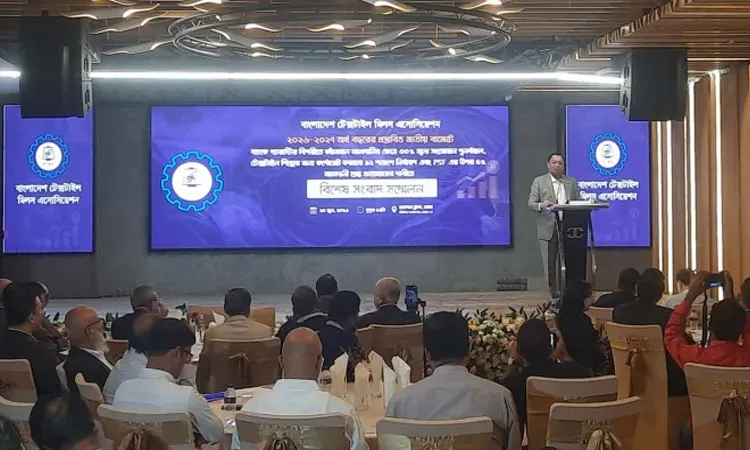
The Bangladesh Textile Mills Association (BTMA) has urged the government to slash the income tax rate for textile mills from 27.5% to 10% until 2030 in the upcoming national budget.
In a formal proposal to Finance Minister Amir Khosru Mahmud Chowdhury, the BTMA cited severe industrial strains, including persistent gas and electricity shortages, global geopolitical tensions, rising energy prices, and high loan interest rates. The association highlighted a tax imbalance: while the export-oriented ready-made garment (RMG) sector enjoys a comfortable 12% tax rate, primary textile mills saw their incentive expire last June, pushing their tax rate from 15% up to 27.5%.
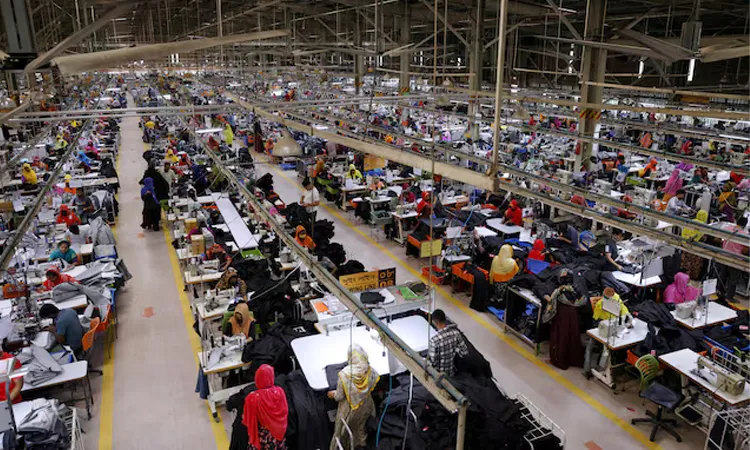
In a letter signed by BTMA President Showkat Aziz Russell, the association called the current structure discriminatory, warning that cheap, subsidized yarn and fabric from neighboring countries are flooding the local market. The BTMA reported that more than 200 mills have already shut down, while surviving units are operating at just 60% to 70% capacity.
Simultaneously, the apparel sector's troubles have widened. The Bangladesh Knitwear Manufacturers and Exporters Association (BKMEA) has written to Finance Secretary Khairuzzaman Mozumder, requesting a Tk420 crore interest waiver for 50 struggling member factories.
BKMEA President Mohammad Hatem urged the government to officially classify these 50 units as "sick industries" and forgive their outstanding debts. He noted that these factories collapsed due to fragile global competitiveness, banking corruption, or the death of their original founders.
According to the BKMEA, these 50 factories hold a combined principal debt of Tk819.85 crore spread across 16 commercial banks.
State-owned Sonali Bank holds the largest exposure at Tk233.27 crore, followed by Southeast Bank at Tk56.5 crore, with the remainder distributed among Janata Bank, Pubali Bank, United Commercial Bank, and several other private commercial lenders.