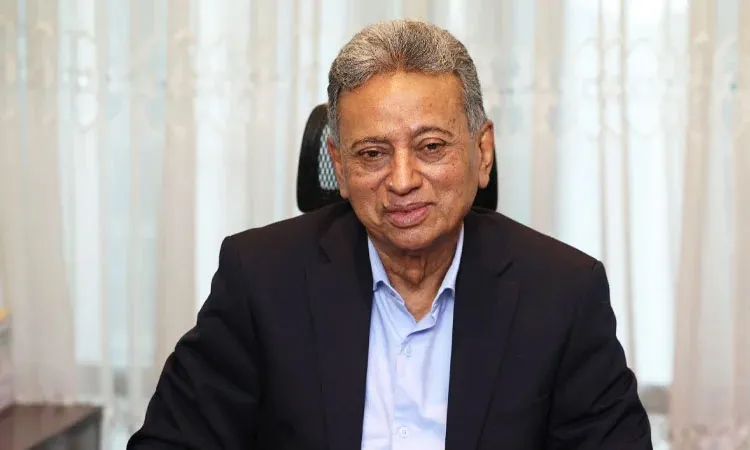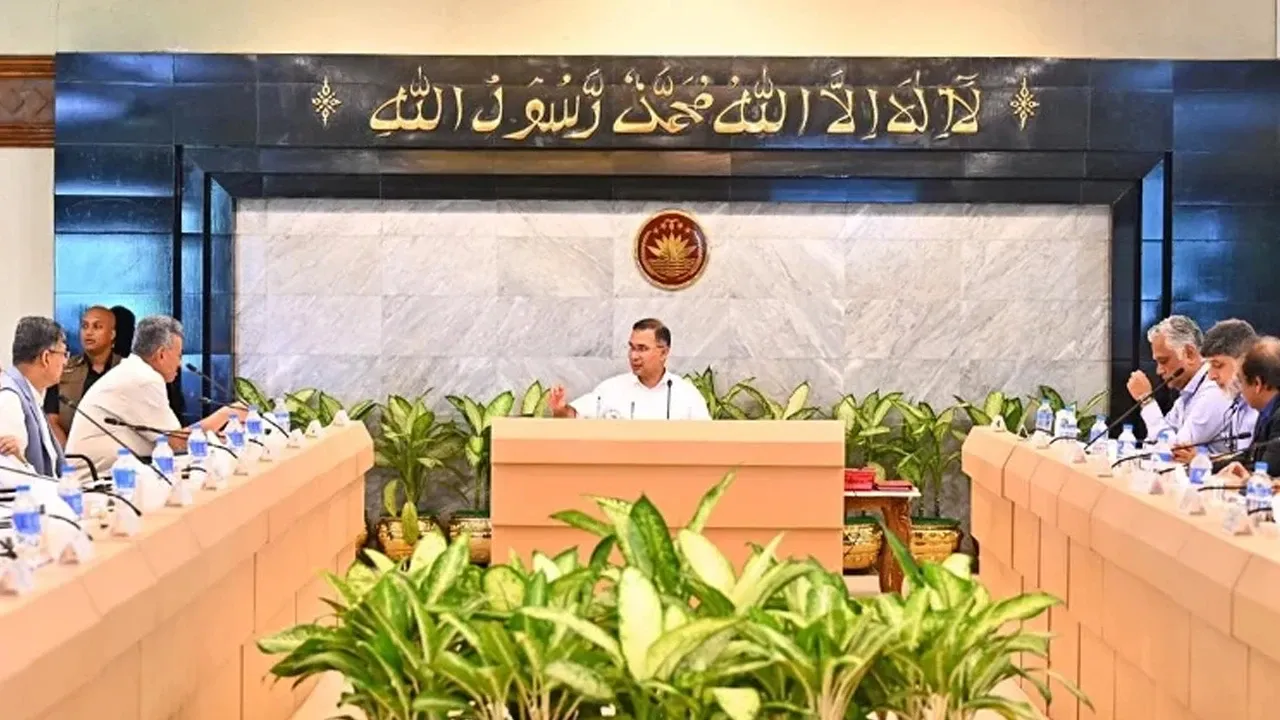
Finance Minister Amir Khosru Mahmud Chowdhury is set to present a record-breaking Tk 9.38 lakh crore national budget for the 2026-27 fiscal year (FY27) in the Jatiya Sangsad tomorrow.
Aiming to propel Bangladesh toward a "trillion-dollar economy," this marks the first budget of the BNP government following its landslide victory in the parliamentary elections held on February 12 this year. The last time a BNP-led government presented a national budget was twenty years ago, for FY2006-07, under the late Finance Minister M. Saifur Rahman.
Framed around the theme “Economic Democratization and Deregulation:
Bangladesh’s Journey Towards a Trillion-Dollar Economy,” the proposed budget signals a major policy shift. For the first time in years, the government is steering allocations away from mega physical infrastructure toward human resource development, aligning with its "Bangladesh First" vision. Education and healthcare are slated to receive the highest priorities.
Highlights of the Upcoming Budget:
Education & Health: Highest sector-wise allocations to build a knowledge-based economy.
Universal Health Coverage: Introduction of an "E-Health Card" pilot for 2.5 million citizens.
Employment Generation: A target to create overseas employment for 10 million people.
Youth & Anti-Extremism: Tk 300 crore allocated for creative youth activities to counter drugs and extremism.
SME & Entrepreneurship: Tk 2,000 crore for SME funds and Tk 225 crore for general entrepreneurship.
Social Safety Nets: Expanded allocations for farmer and family cards.
Public Service: Possible partial implementation of a new pay scale for government employees.
The proposed expenditure of Tk 9.38 lakh crore reflects an expansionary approach despite ongoing macroeconomic pressures.
To finance the budget, the government aims to generate Tk 6.95 lakh crore through domestic revenue. The remaining Tk 2.51 lakh crore deficit representing 3.6 percent of GDP will be covered through borrowing and external aid. This deficit remains within internationally recommended safety thresholds for developing nations.
Of the deficit financing, Tk 1.16 lakh crore (46%) will come from foreign sources while Tk 1.35 lakh crore (54%) will be raised domestically including Tk 1.20 lakh crore from the banking system and Tk 15,000 crore from savings instruments.
The Finance Ministry has estimated the total GDP size for FY27 at Tk 68.30 lakh crore targeting a 6.5 percent GDP growth rate.
However, economists point out that the government's 7.5 percent inflation target will be tough to achieve, given that point-to-point inflation stood at a high 9.42 percent in May. Analysts say keeping prices under control will require strict coordination between monetary and fiscal policies alongside tighter market monitoring.
A core focus of the FY27 budget is deregulation to improve the ease of doing business. The budget speech will feature a dedicated chapter on deregulation, introducing a unified digital portal called “Banglabiz.” This one-stop platform aims to centralize licensing, certificates, and business approvals, cutting down bureaucratic delays and face-to-face corruption.
Simultaneously, the National Board of Revenue (NBR) is set for massive automation introducing full online corporate tax filings, instant electronic refunds to bank accounts and an e-return mobile app. To encourage compliance, early filers may receive incentives, while late filers will face higher tax rates.
While the expansionary targets are ambitious, the ultimate success of the FY27 budget hinges on implementation. Sluggish private investment, weak revenue collection machinery and global economic uncertainties remain critical risks. Tomorrow the nation will look to see how the new Finance Minister balances these grand developmental goals with the harsh realities of inflation and fiscal discipline.