Incessant rains and prolonged waterlogging in Narail's Lohagara, Kalia and Sadar upazilas have destroyed vast stretches of Aush paddy also hundreds of farmers facing heavy losses. Farmers allege the disaster stems from unplanned fish enclosures blocking natural drainage in the beels with combined with poorly maintained canals and drains. They estimate crop losses could exceed several crores of taka.
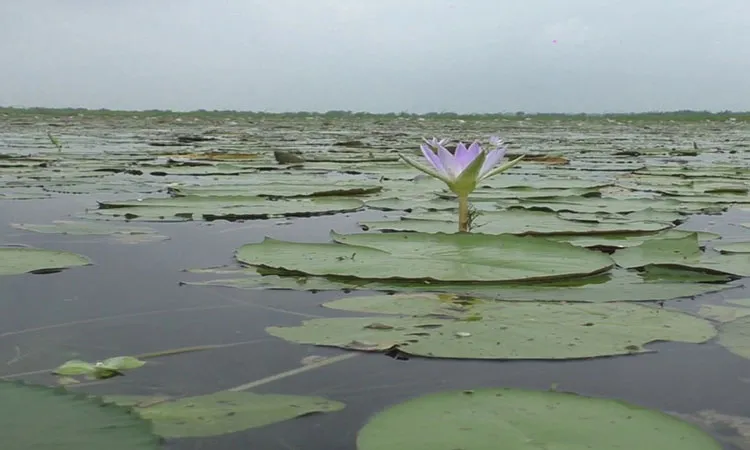
Visits to low-lying areas like Amadar, Andharkota, Kuchiabari, Kumdi, Ichamati and Pachuria beels in Lohagara's Laxmipasha Union revealed fields submerged under water with water lilies and aquatic weeds replacing rice crops while ducks now graze where paddy once stood.
Tipu Sardar, a farmer from Amada village said these low-lying lands are typically suited for "Ratul Aush," a local rice variety tolerant of rising water levels. Given strong yields and good prices in previous years, farmers had cultivated it enthusiastically again this season. The crop was grown across more than fifty beels in unions including Banshgram, Naldi, Kotakol, Kalabaria, Baoisona, Pahardanga, Khashiyal, Maijpara and Sekhhati.
However, record-breaking rains since mid-July submerged these low-lying fields. With drainage blocked by unauthorized fish enclosures and rice plants remained underwater for extended periods and eventually rotted. Farmers are demanding immediate removal of illegal enclosures and re-excavation of canals connecting to the river to resolve the waterlogging.
According to the Narail Department of Agricultural Extension, Aush rice was cultivated on 9,107 hectares this season. While officials claim the damage is limited the farmers strongly dispute this and saying only crops in higher areas survived while most in lower regions were destroyed.
Deputy Director Muhammad Arifur Rahman acknowledged the waterlogging poses a serious threat to farming and said the department is coordinating with other agencies to restore drainage and rescue blocked canals.