- National
- Bangladesh
- Business
- International
- Sports
- Entertainment
- Politics
- Technology
- Life Style
- Religion
- Opinion
- FIFA World Cup 2026
Friday, 07 August 2026

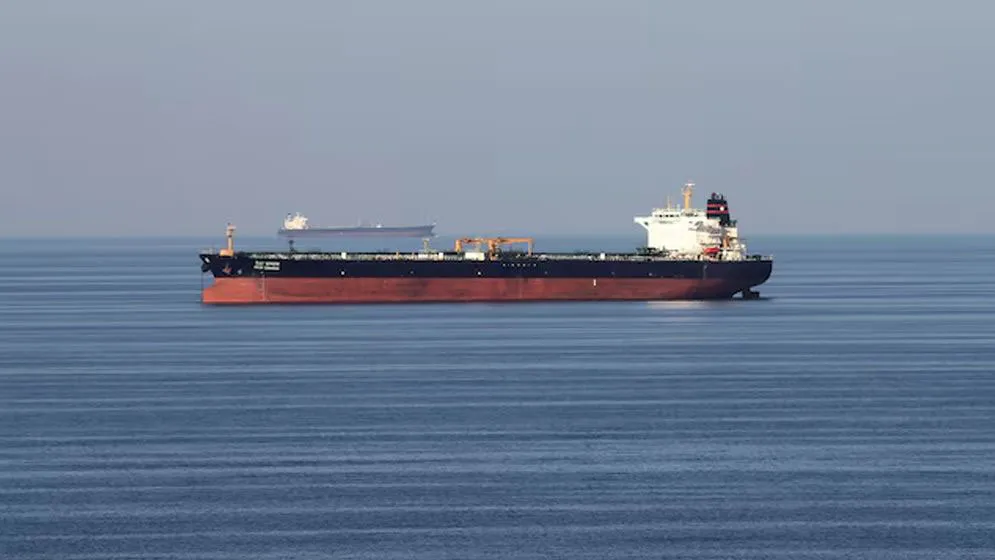
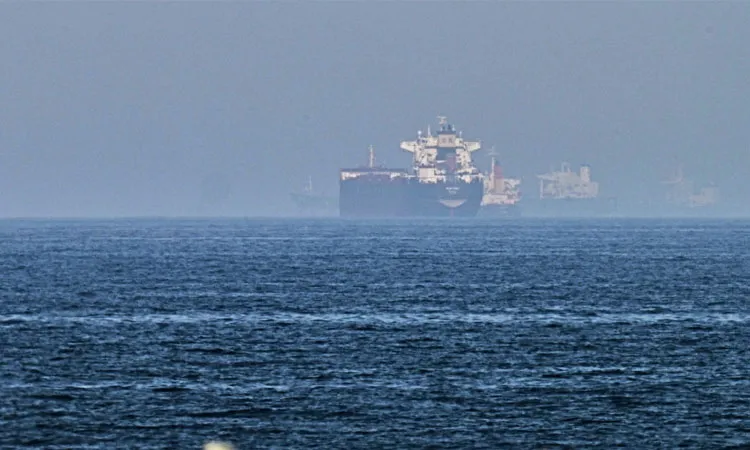
International oil prices edged higher on Friday amid mounting uncertainty surrounding the reopening of the Strait of Hormuz, fueled by potential Iranian restrictions and Tehran's plan to levy transit fees on commercial vessels.
By Friday afternoon (Bangladesh Time), Brent crude rose by 75 cents (0.9%) to $83.24 a barrel. Meanwhile, US West Texas Intermediate (WTI) crude gained 42 cents (0.5%) to reach $77.71 a barrel.
The uptick follows a surge of over $3 per barrel on Thursday after reports revealed that Iran is reviewing a bill to ban US and Israeli vessels from navigating the strategic waterway. Prior to the conflict, nearly one-fifth of the world’s petroleum and liquefied natural gas (LNG) traversed this vital maritime choke point.
Despite the daily gain, both Brent and WTI remain on track for an 8% weekly decline, driven by earlier hopes of a potential resolution between Iran and the United States.
Analysts emphasize that tensions between Washington and Tehran remain far from resolved. Rystad Energy analyst Lin Ye noted that market volatility reflects concerns over Iran’s draft proposals, pointing to fears that shipping might face conditional and controlled corridors rather than an immediate return to normal operations. According to a senior Iranian official, Tehran is considering imposing a transit fee of 5% to 7% of cargo value on ships passing through the strait. Oman is reportedly discussing a fee of around 3%, while the United States strongly opposes any fee structure.
Industry sources indicate that executing such an agreement will be difficult due to severe US sanctions and strict maritime insurance conditions.
In related developments, Yemen’s Houthi movement claimed responsibility for drone and missile strikes targeting Saudi military positions in Marib and Hadramout on Thursday.
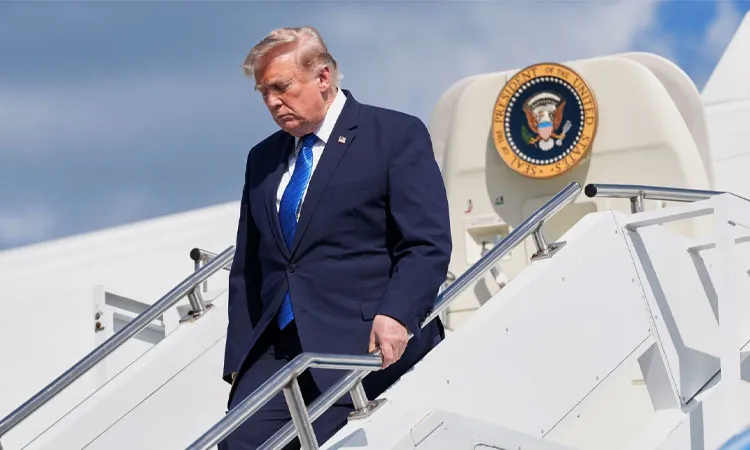
Conversely, US President Donald Trump told reporters on Thursday that he believes the ongoing conflict with Iran could end relatively soon.
Investors are now turning their attention to upcoming US non-farm payrolls data for signals on the Federal Reserve’s future interest rate decisions. Higher interest rates could slow economic growth and curb consumer spending, potentially dampening global demand for crude oil.