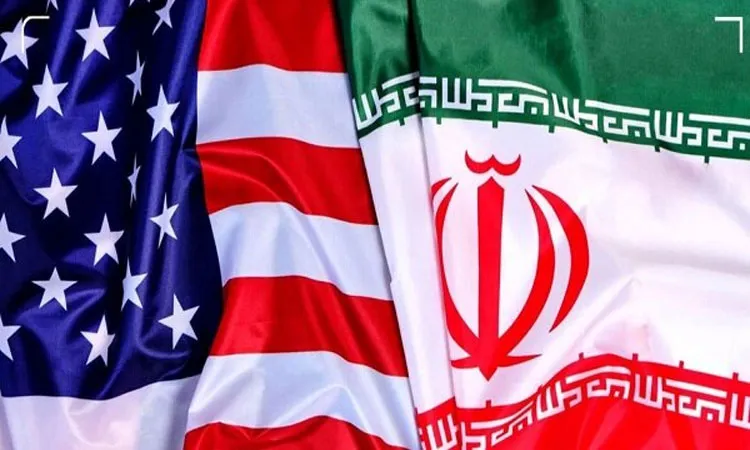
Mediators are making significant progress in efforts to end the five-month U.S.-Iran war and reopen the blockaded Strait of Hormuz.
Qatar’s Foreign Ministry spokesman Majed Al-Ansari confirmed that while no direct talks are occurring between Washington and Tehran also the draft of agreements are being actively exchanged through mediators including Oman and Pakistan.
"Our focus right now is on avoiding escalation with reopening the strait and reopening the door for diplomacy" Al-Ansari said also expressing hope for a breakthrough in the coming days.
The diplomatic push has already eased global markets with Brent crude oil prices dropping more than 5% on hopes that traffic through the crucial energy corridor will soon resume. Despite this market optimism and the strait remains virtually closed with recent reports of another commercial ship being attacked.
U.S. President Donald Trump and Qatar's Emir, Sheikh Tamim bin Hamad Al Thani, recently discussed de-escalation efforts by phone. Although Trump claimed talks with Tehran had begun framing it as a "last chance" for a deal Iranian officials denied any direct negotiations with the U.S. However, Iran confirmed positive, ongoing discussions with Oman regarding the establishment of safe shipping lanes.
Senior U.S. officials including Secretary of State Marco Rubio and Treasury Secretary Scott Bessent expressed optimism that an agreement to reopen the strait is imminent.
Meanwhile, concerns are mounting over the sustainability of the prolonged conflict. Defense sources report the U.S. military has depleted much of its precision long-range missile stockpile. Simultaneously, Donald Trump has yet to achieve his primary wartime objectives which include dismantling Iran’s nuclear program and triggering the overthrow of its clerical rulers. Mediators continue working urgently to secure a permanent ceasefire.