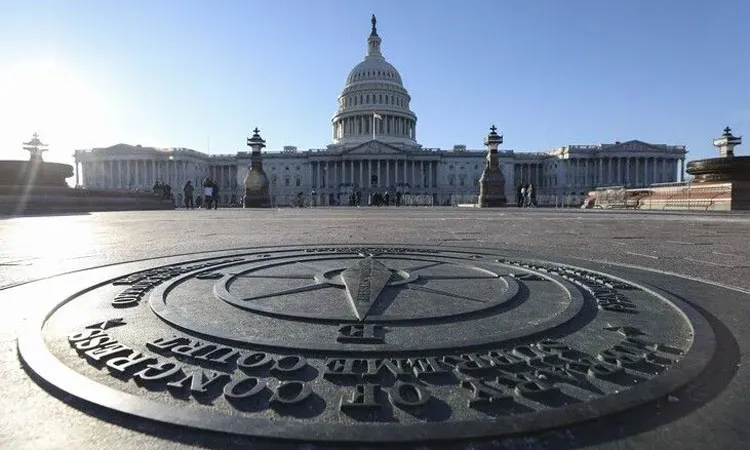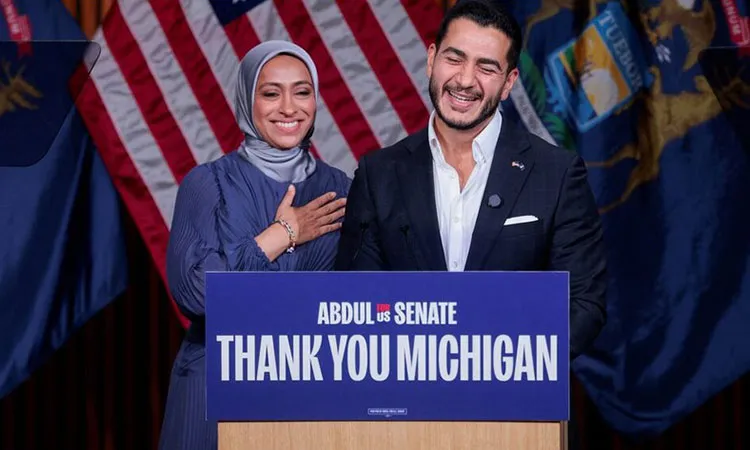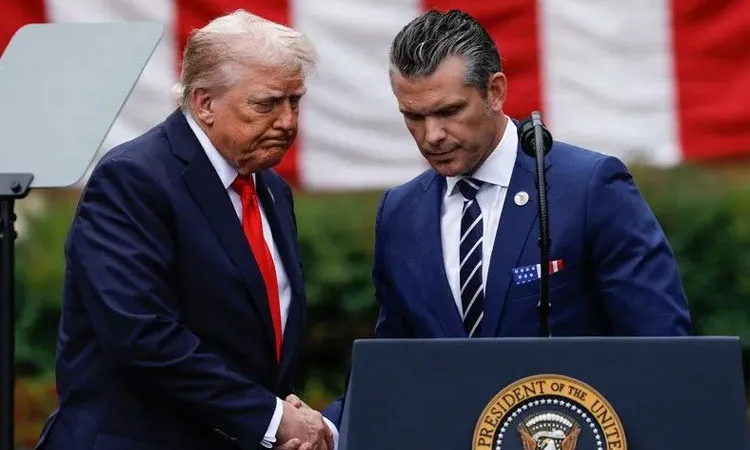
Heavy Republican losses in this week’s midterm elections leave President Donald Trump facing an empowered Democratic-controlled Congress. However Democrats gain oversight leverage but Trump retains vast executive authority over foreign policy during his final two years in office.
Analysts debate whether the setback will temper Trump’s international agenda or prompt bolder unilateral action. Most pressing is the war against Iran. Eight months of conflict have driven up global gasoline prices also dragging down presidential approval ratings. Vice President JD Vance publicly questioned the strategy on Wednesday and attributing the election outcome to the war's economic toll.
Senate Democratic Leader Chuck Schumer vowed to check "Trump's chaos" and push to end the conflict. Yet, stopping a commander-in-chief remains difficult. Congress can conduct investigations, delay confirmations or restrict funding, but direct executive power limits their leverage. Experts warn a cornered Trump could launch fresh strikes against Iran or project force elsewhere such as Cuba.
Democrats also plan to use their congressional majority to challenge Trump's stance on Russia's war in Ukraine. They aim to rally bipartisan support to revive aid to Kyiv which Trump halted alongside easing sanctions on Russian diesel exports. Furthermore the incoming progressive Democrats intend to target military aid to Israel amid growing domestic disapproval of the ongoing hostilities in Gaza and the wider regional conflict.
Despite opposition President Donald Trump's veto power ensures substantial control over military operations. Analysts expect the remainder of his term to be defined by unilateral moves as he seeks to solidify his international legacy.