Global oil prices fell for a fourth consecutive session on Thursday, driven by expectations that recent US midterm election results may curb further military escalation in the Middle East.
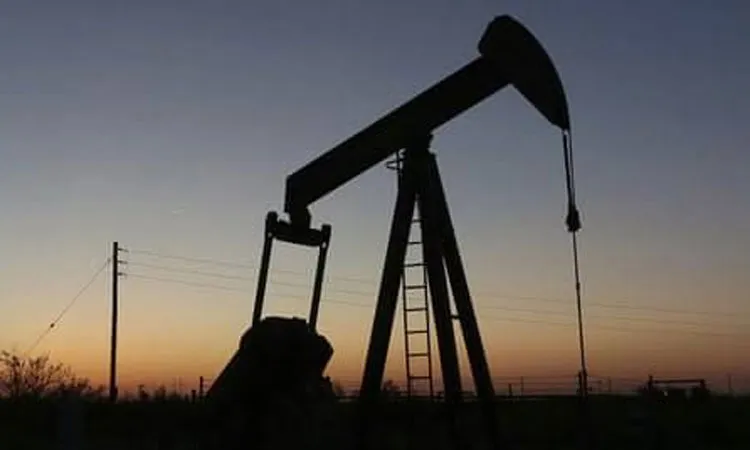
Brent crude futures dropped 80 cents or 0.85% to $93.82 a barrel while US West Texas Intermediate (WTI) crude fell $1.20 or 1.36% to $86.92. Both benchmarks plummeted more than 8% in the previous session, reaching their lowest levels since late August.
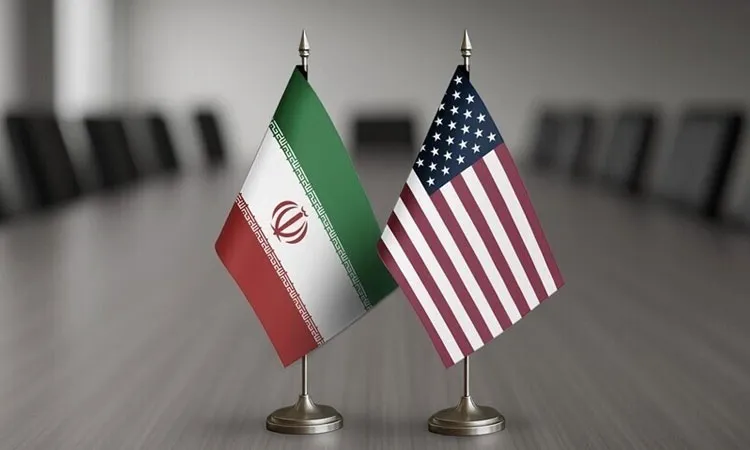
The market downturn reflects political shifts in Washington. With Democrats securing majorities in Congress the analysts suggest the White House may face greater legislative constraints on military operations also increasing incentives to pursue diplomatic solutions regarding Iran. A reduction in conflict risks is expected to help secure Middle Eastern crude shipments through the crucial Strait of Hormuz where tanker traffic has largely recovered toward pre-war levels.
According to a report from JPMorgan, the recovery in Gulf supply has shifted the global market back into a surplus of roughly 1.4 million barrels per day.
However the energy analysts warn that market volatility will persist. Energy consultancy XAnalysts noted that commercial crude reserves in major consuming nations remain at 15-year lows, leaving little cushion against supply disruptions.
Meanwhile the Eurasia Group highlighted that while immediate strike risks have decreased and long-term diplomatic negotiations remain uncertain also leaving room for potential price spikes if geopolitical tensions re-emerge before the new US Congress takes office in January.