Global oil prices jumped over 4% on Monday following renewed military strikes between the US and Iran, raising fresh fears over the security of the Strait of Hormuz a critical shipping lane for Bangladesh and the global economy.
Brent crude futures climbed 4.08% to $79.11 a barrel while US West Texas Intermediate (WTI) crude rose 4.11% to $74.36.
The price spike followed a weekend of escalating hostilities. The US Central Command launched precision strikes against dozens of targets in Iran. In response, Iran's Revolutionary Guards claimed attacks on US military bases in Kuwait and Bahrain. While US President Donald Trump stated the strait remains open Iran previously claimed it was closed.
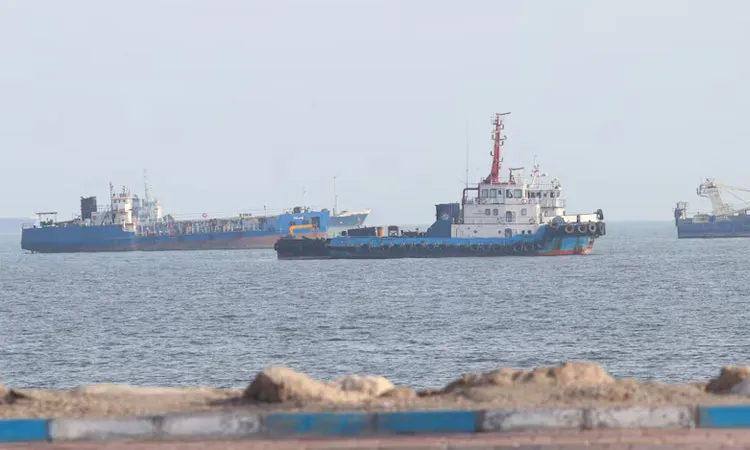
The conflict heavily impacts global energy security. The Strait of Hormuz historically handles 20% of the world’s oil and liquefied natural gas (LNG). However ship-tracking data from Kpler showed only six vessels transited the strait on Sunday marking a five-week low.
This escalation threatens a recent interim US-Iran agreement intended to permanently reopen the waterway. While a brief ceasefire helped global oil supplies rise by 4.1 million barrels per day (bpd) in June, production remains 9.4 million bpd below pre-war levels according to the International Energy Agency (IEA).
Analysts note that while markets are treating this as a fragile bump in a rocky truce rather than a total collapse shipper confidence has eroded rapidly. For energy-importing nations like Bangladesh continued instability in the Gulf risks driving up domestic fuel and power costs.