Military tensions in the Middle East have severely escalated after the United States and Iran exchanged a series of heavy airstrikes, collapsing a fragile ceasefire and threatening broader regional instability.
Iran's Khatam al-Anbiya Central Command vowed a "crushing response" following a second consecutive night of US airstrikes on southern Iran. The US military stated the strikes were necessary to secure shipping traffic in the Strait of Hormuz. The operations began shortly after US President Donald Trump declared an interim ceasefire "over" citing alleged Iranian attacks on three cargo ships earlier in the week.
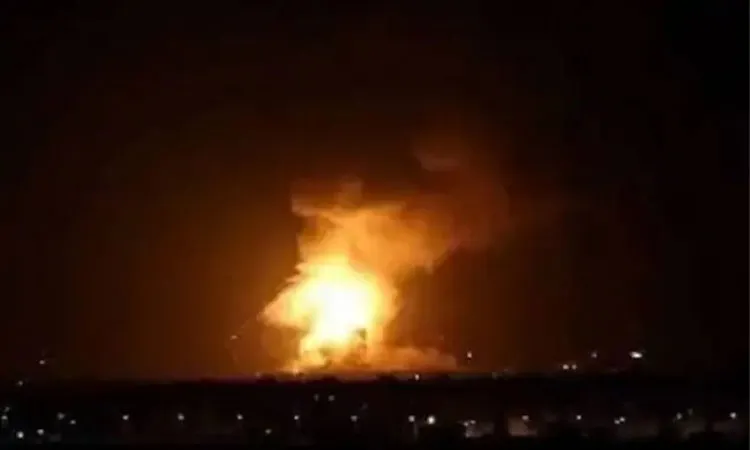
According to Iranian state media, explosions echoed across multiple southern locations, including Bandar Abbas, Sirik, Qeshm Island, Chabahar and near the Bushehr nuclear facility. While local officials in Hormozgan province initially reported no casualties, Iranian air defenses actively engaged incoming projectiles.
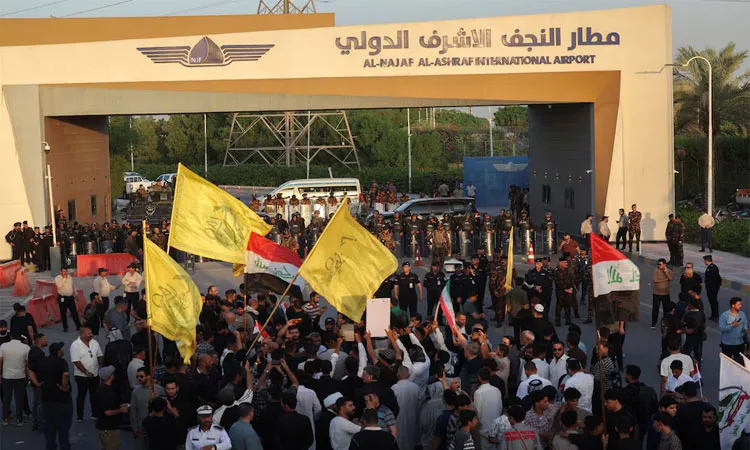
In swift retaliation, Tehran announced it had struck US military sites across Bahrain, Kuwait, Qatar and Jordan. Iranian military commanders condemned the US strikes as "terrorist acts," deliberately timed during the massive funeral processions for the late Ayatollah Ali Khamenei in neighboring Iraq.
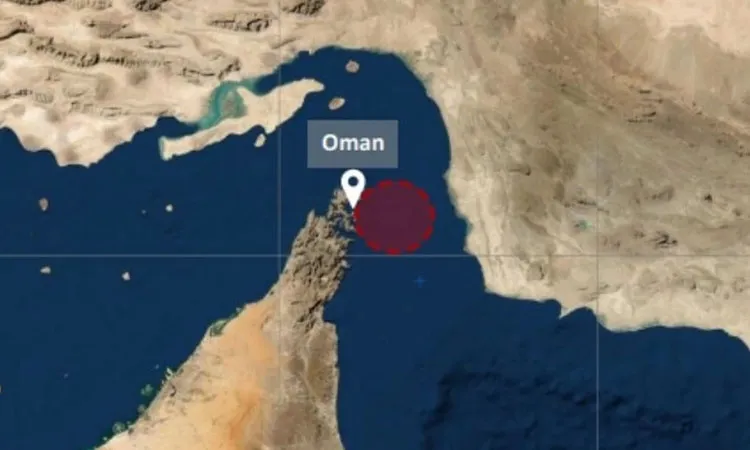
The strategic Strait of Hormuz remains the core flashpoint. US Central Command (CENTCOM) affirmed its operations were designed to diminish Tehran's ability to control the critical waterway.
Conversely, Iranian forces maintained that the only safe passage for commercial and oil vessels is through routes designated by the Islamic Republic, warning that any further US aggression would be met with double the retaliatory force.