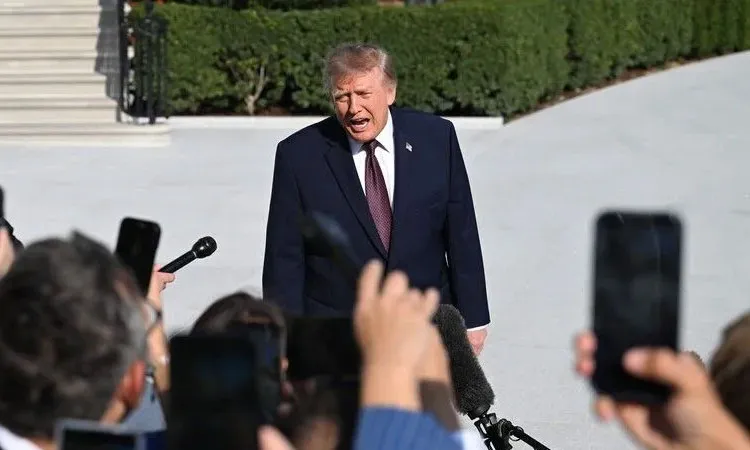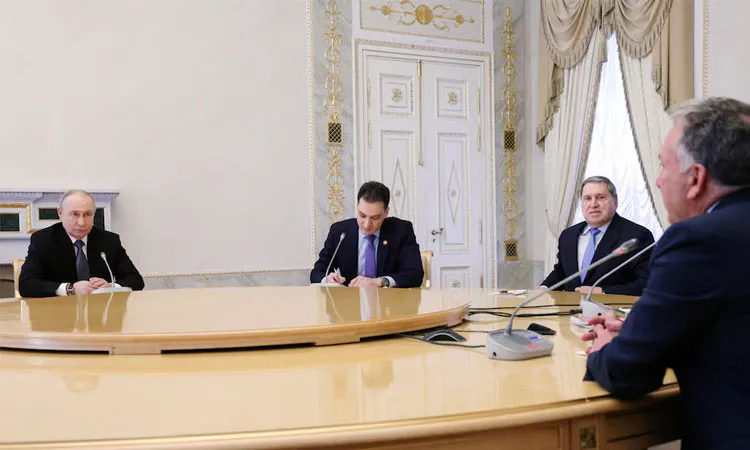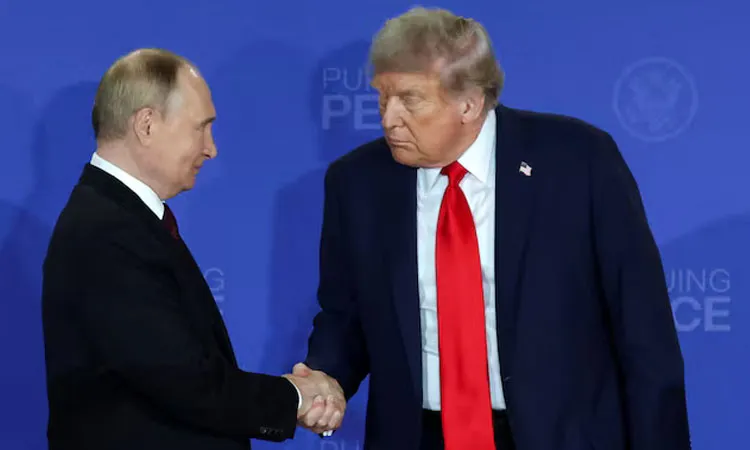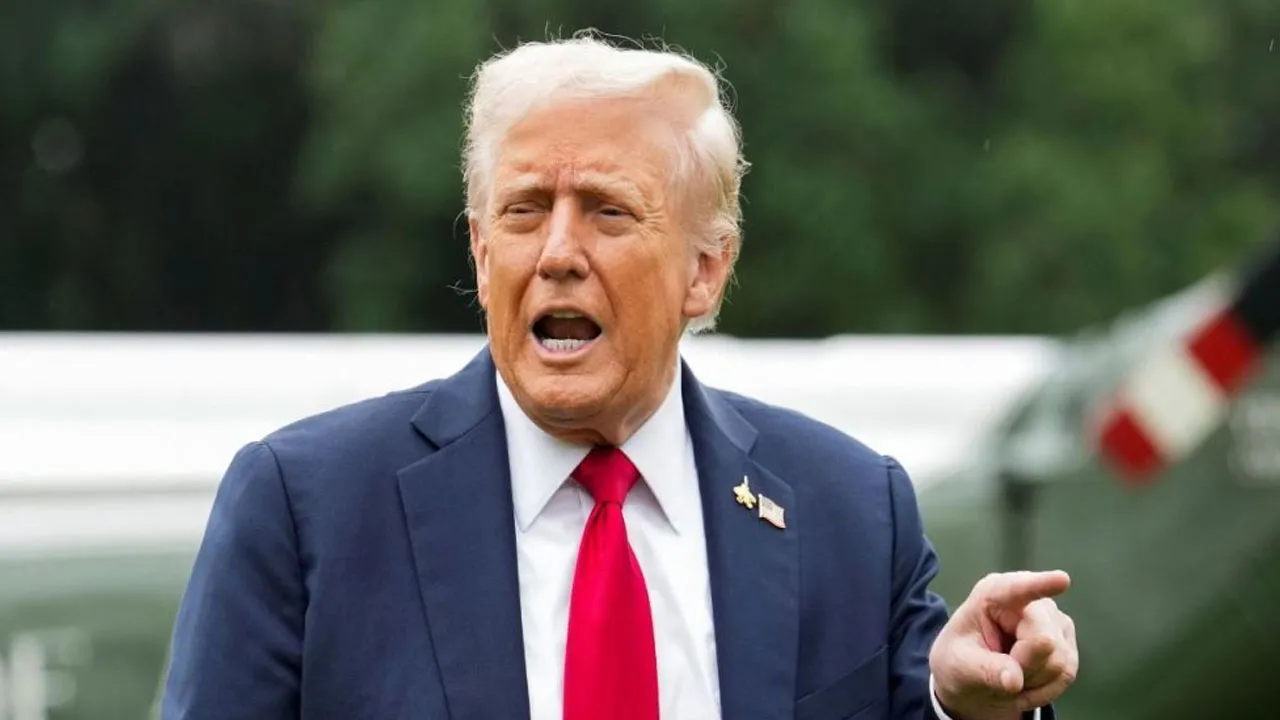
US President Donald Trump’s efforts to exit the unpopular Iran war have hit a major roadblock as fresh military strikes shatter a fragile ceasefire. On Wednesday, Trump declared an interim agreement "over" after Iran targeted US military sites in Bahrain and Kuwait. These attacks followed US bombing of Iranian targets in response to strikes on tankers in the Strait of Hormuz.
The escalation comes just three weeks after a June 17 "memorandum of understanding" was signed to begin a truce. Analysts now describe the situation as "managed instability"—a cycle of recurring violence with no clear exit path. Trump faces a difficult choice: escalating further risks a return to full-scale war, while backing down could embolden Tehran’s control over the world’s most vital oil shipping channel.
The conflict has immediate global consequences, with oil prices spiking 7% following the latest violence. Domestically, Trump is under immense pressure; his approval rating has dropped to 34% ahead of the November US midterm elections. While he hoped to force Iran back to the negotiating table regarding its nuclear program, experts see little sign that Tehran will offer the deep concessions he seeks.
The core of the dispute remains the Strait of Hormuz. Iran seeks a future role in managing the waterway, while the US and its Gulf allies insist on free passage. With the 60-day negotiating window failing to address these hard issues, a comprehensive peace deal remains unlikely in the near term.