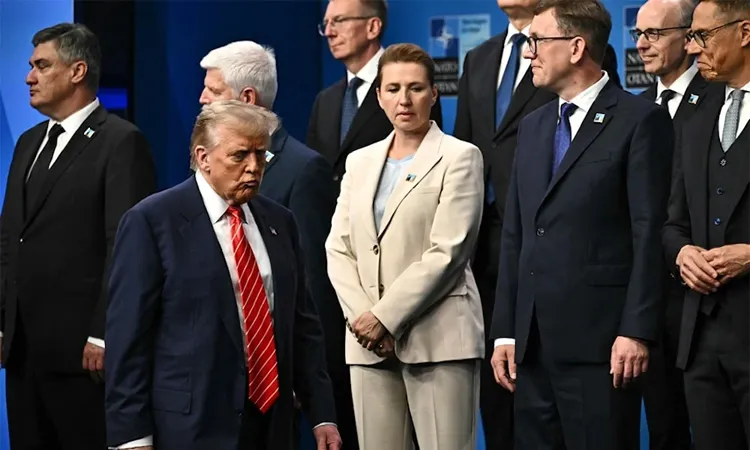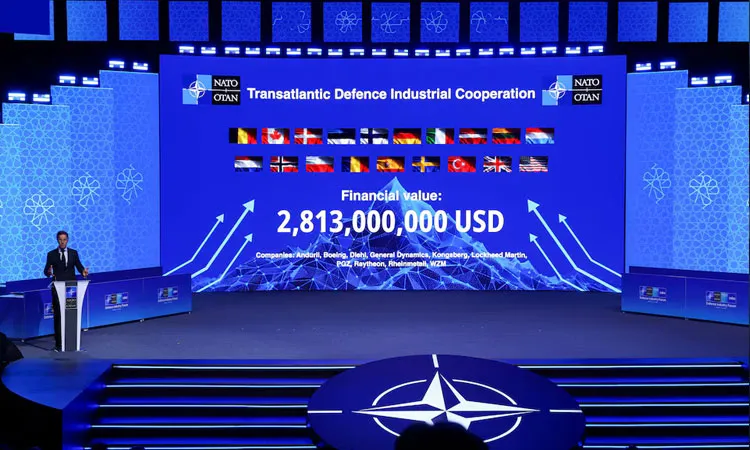
NATO leaders from 32 member states, along with partner nations and EU officials, met in Ankara for a two-day summit focused on defense, security and transatlantic ties.
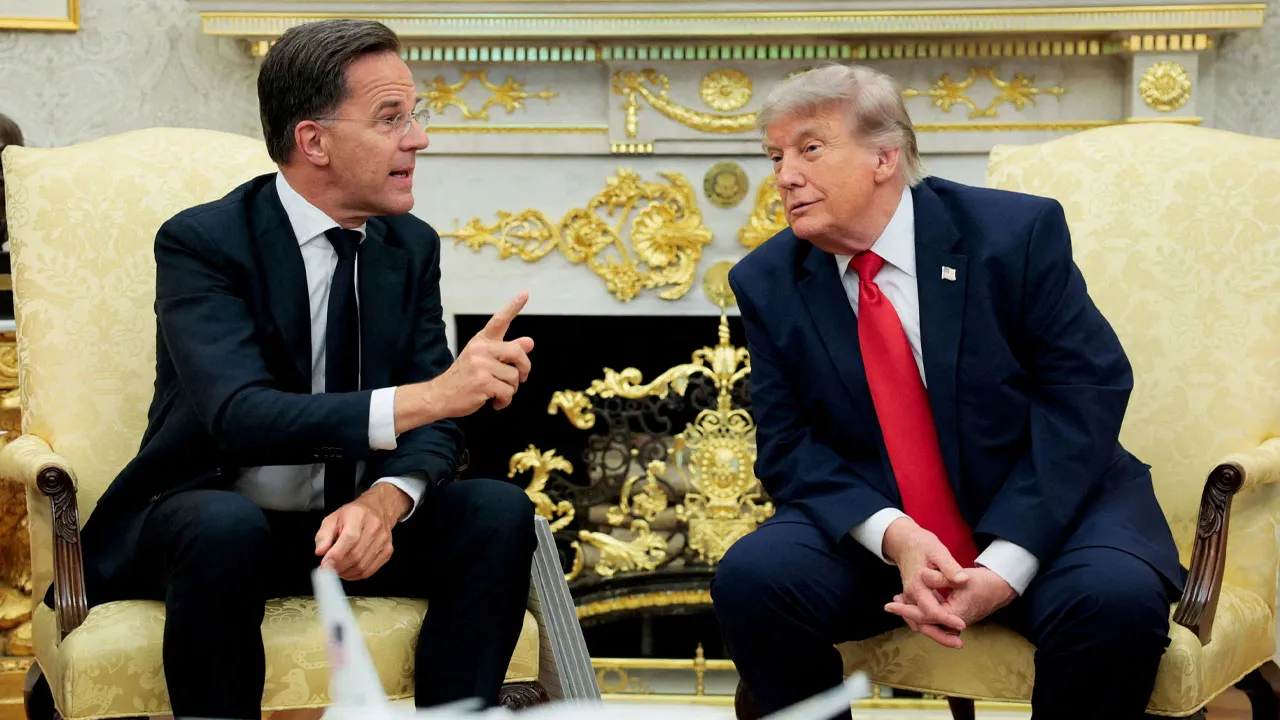
Day one centered on boosting defense production. Secretary General Mark Rutte unveiled new initiatives, including a drone and counter-drone program worth over $40 billion across five years, along with platforms to strengthen industrial cooperation and raw material supply chains. Rutte urged a "revolution" in Europe's defense industry, warning of growing threats from Russia, China, North Korea and Iran.
Major arms deals were announced, including European purchases of U.S. surveillance drones and Swedish aircraft, plus a joint U.S.-Germany missile production deal. The announcements reflect pressure from President Trump, who has long urged Europe to spend more on its own defense.

Rutte noted that European allies and Canada increased defense spending by $90 billion in 2025, reaching over $570 billion total.
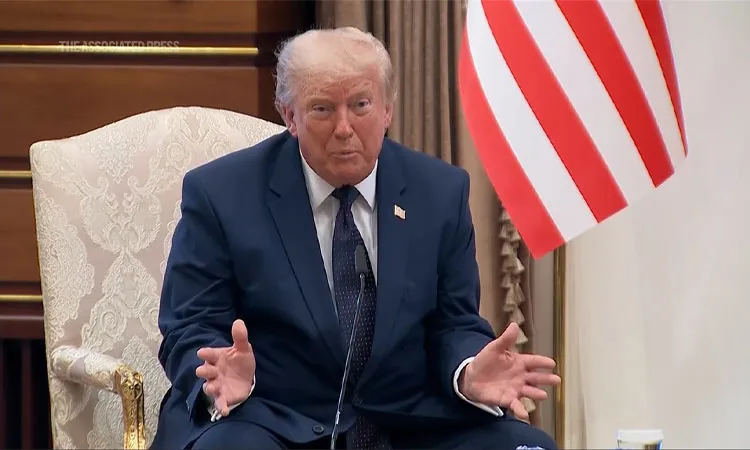
Trump, arriving in Ankara to meet Turkish President Tayyip Erdogan, is reportedly ready to let Turkey rejoin the F-35 fighter jet program, reversing sanctions imposed after Turkey acquired Russia's S-400 system in 2019.
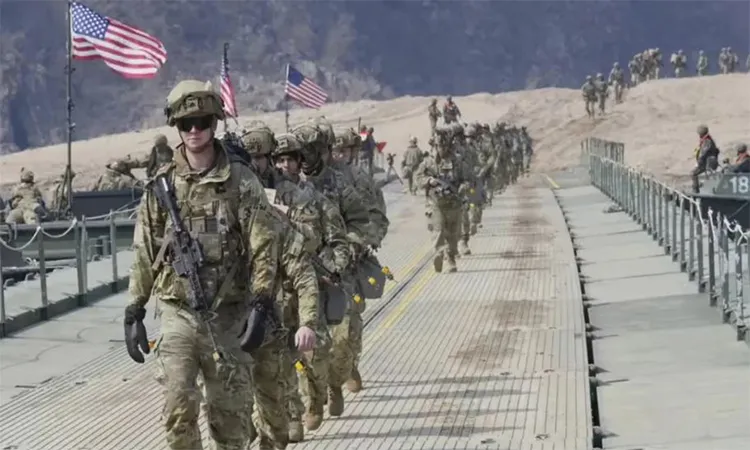
Tensions within NATO have grown since the U.S. strike on Iran in February, with Trump criticizing allied support and hinting at withdrawing from the alliance. The U.S. has also begun reviewing its troop presence in Europe.
Leaders are expected to reaffirm support for Ukraine, pledging €70 billion in aid for 2026. The summit comes as Russian strikes on Kyiv killed at least 28 people, highlighting Ukraine's urgent need for air-defense systems.