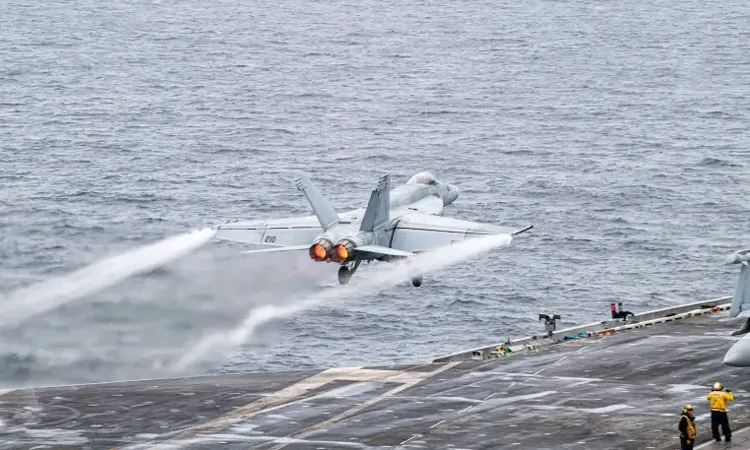
The United States and Iran traded heavy fire across the Persian Gulf on Thursday, putting a fragile interim peace deal in serious jeopardy. The escalation comes as the region faces the threat of a return to full-scale war.
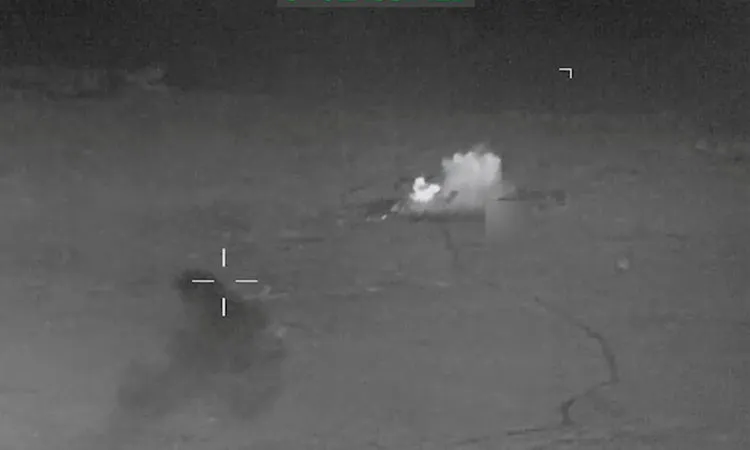
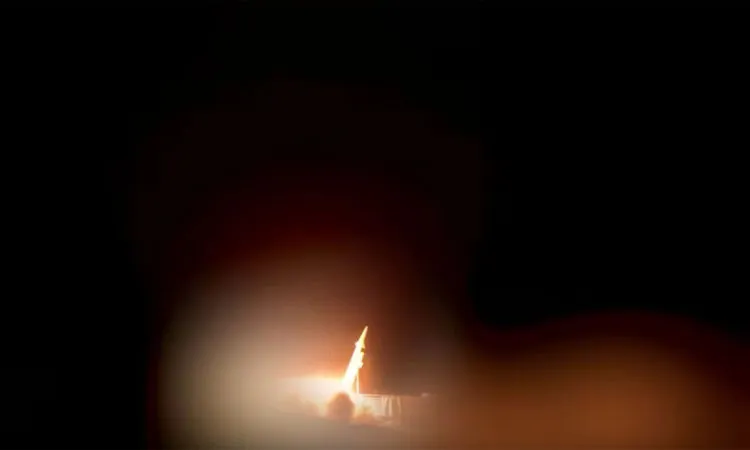
US Strikes and Iranian Retaliation The U.S. military confirmed it hit approximately 90 targets across Iran, including airport runways and missile launchers. Central Command released footage of the strikes, which were intended to stop Iran from threatening shipping lanes in the Strait of Hormuz. In response, Tehran fired missiles and drones toward Bahrain, Kuwait, and Qatar. While most were intercepted, falling debris in Kuwait wounded one person. These attacks forced air defense alerts to be activated across the Gulf states.
Casualties and Destruction Iran’s Health Ministry reported that two days of American strikes have killed at least 14 people and wounded 78 others. Most victims were members of the armed forces. Targets included bridges in northeastern Iran and infrastructure near Bushehr, the site of Iran’s nuclear power plant complex.
Economic and Political Fallout The conflict centers on the Strait of Hormuz, a narrow waterway where 20% of the world’s oil and gas passes. President Donald Trump warned that further Iranian attacks on shipping would lead to "much worse" retribution, including potential strikes on civilian power and water plants.
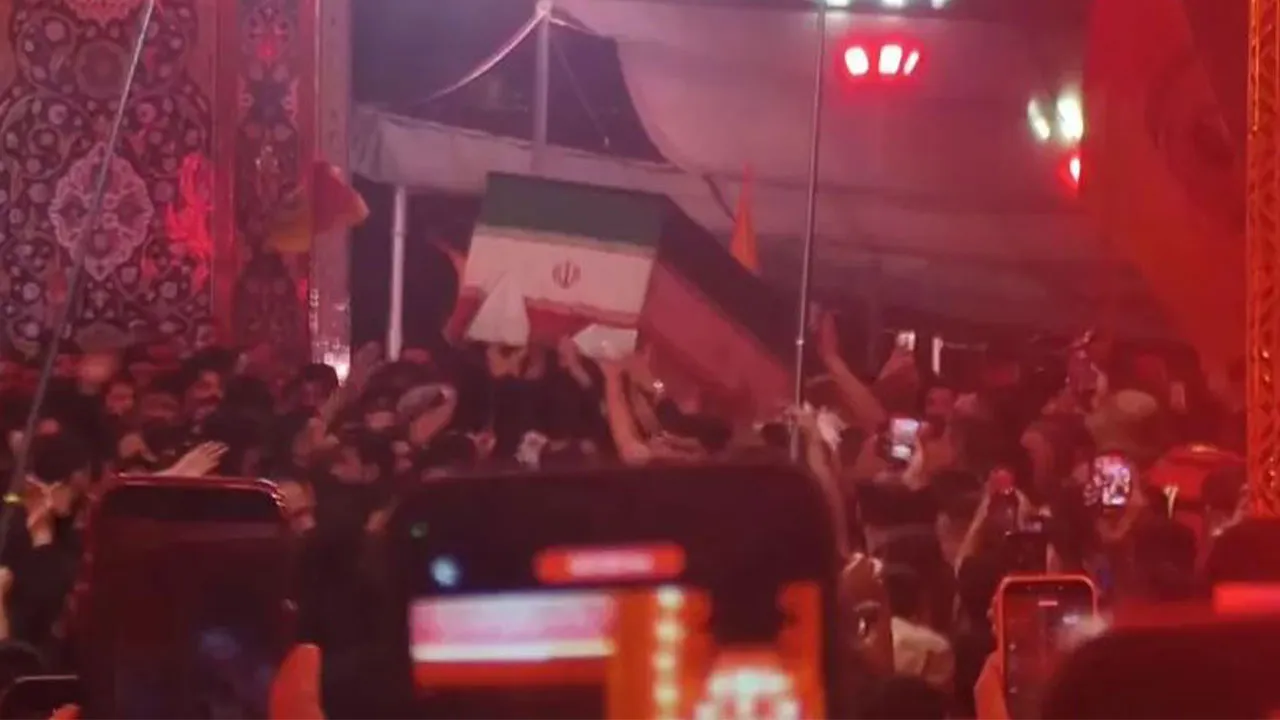
The timing is critical as Iran is currently holding funeral rites for its late Supreme Leader, Ayatollah Ali Khamenei. While some Iranian leaders seek a permanent peace deal to lift economic sanctions, hard-liners are pushing for continued control over the Gulf.
A Fragile Ceasefire Trump stated on Wednesday that the current ceasefire is effectively "over," though he allowed that negotiations might continue. Iranian officials responded defiantly, warning that U.S. "bullying" would be met with further force.