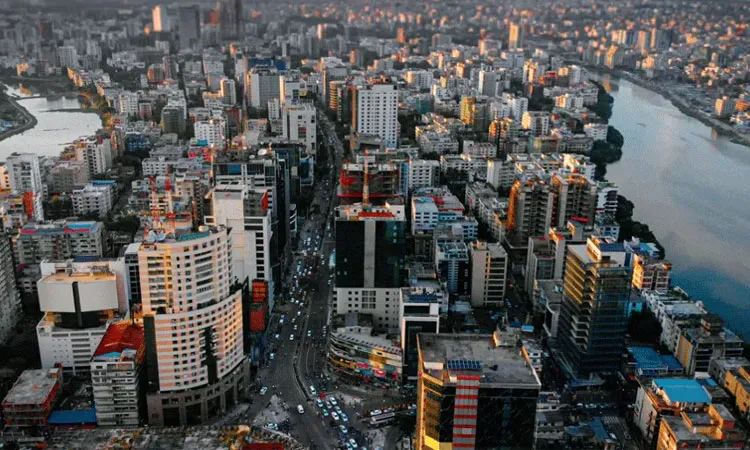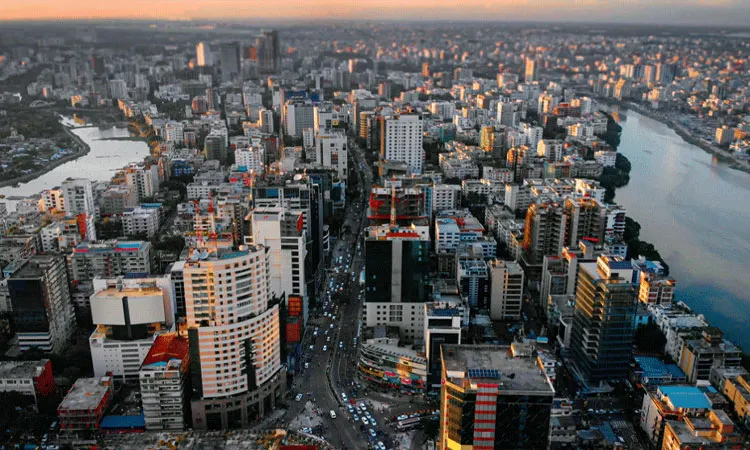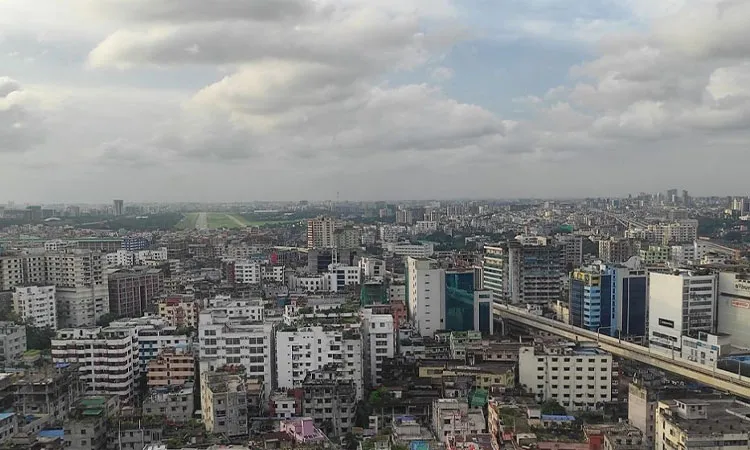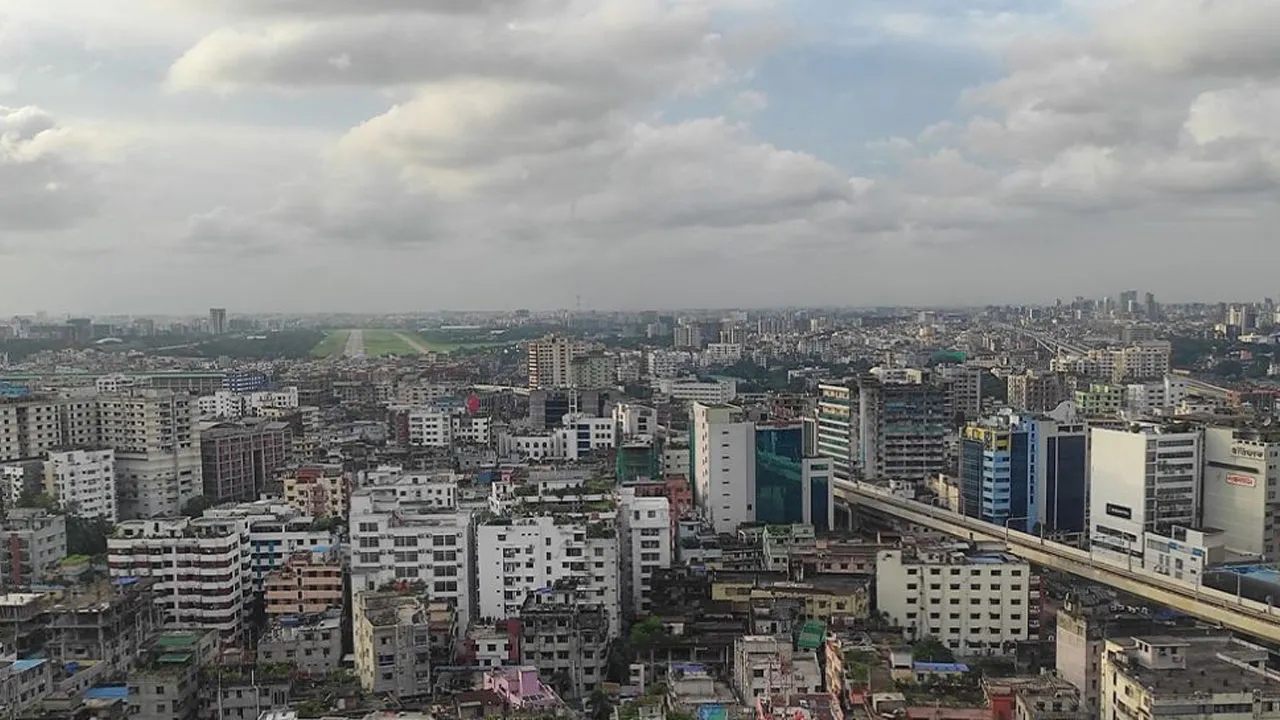
Residents of the capital experienced relatively clean air on Thursday morning as ongoing rainfall continued to mitigate pollution levels. At 9:40 am, Dhaka recorded an Air Quality Index (AQI) score of 66, ranking it 32nd among the world's most polluted cities.
Under the AQI scale, a score between 51 and 100 is classified as 'Moderate.' While this indicates that the air is generally acceptable for most people, a small number of individuals who are unusually sensitive to air pollution may still experience minor health concerns. This seasonal improvement is typical for Dhaka, where air quality tends to improve during the monsoon and deteriorate significantly during the winter months.
In contrast, other global cities faced much harsher conditions today. Kinshasa topped the list with an unhealthy AQI of 171, followed by Lahore (167) and Krasnoyarsk (155).
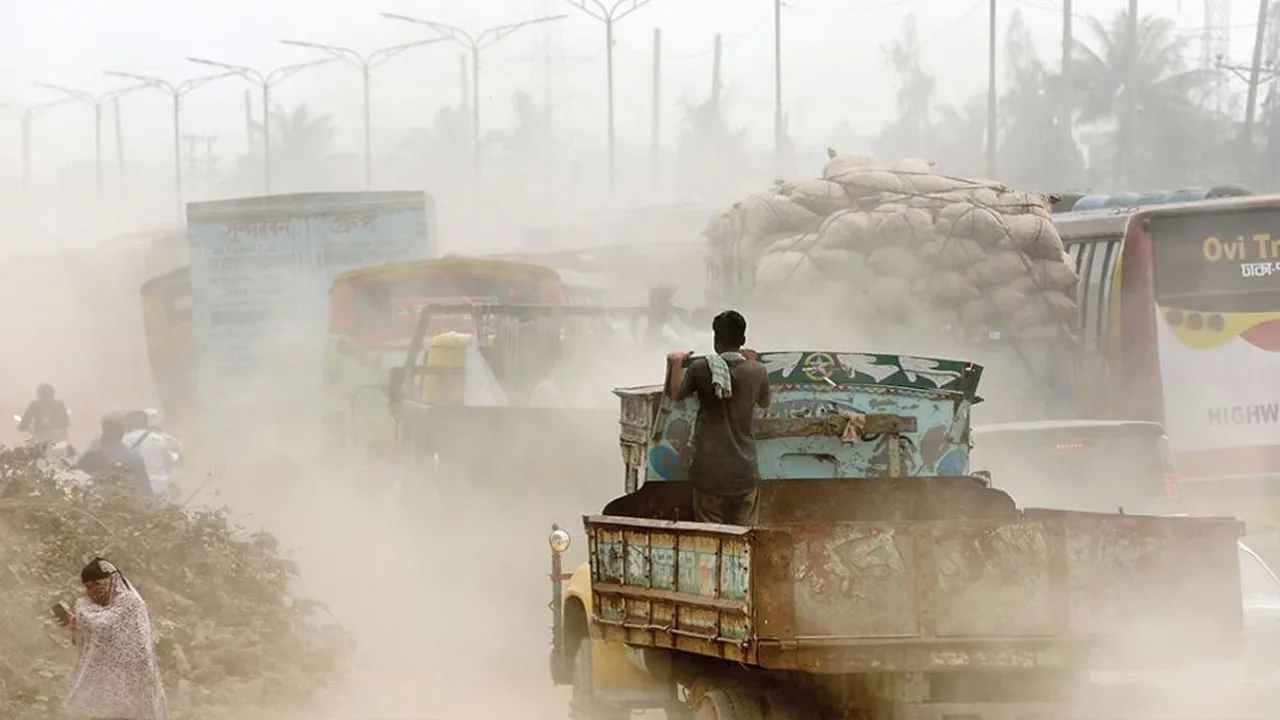
The AQI in Bangladesh is determined by measuring five key pollutants: particulate matter (PM10 and PM2.5), nitrogen dioxide (NO2), carbon monoxide (CO), sulfur dioxide (SO2), and ozone. Maintaining acceptable air quality remains a critical public health goal; the World Health Organization estimates that air pollution causes approximately seven million deaths annually worldwide, contributing to stroke, heart disease, and respiratory infections.