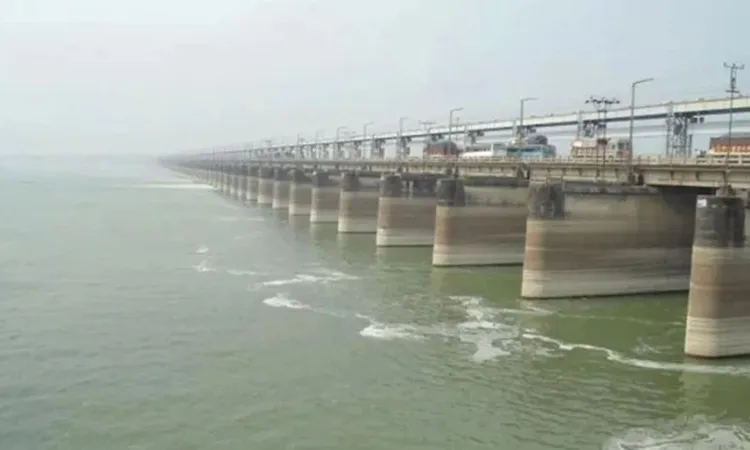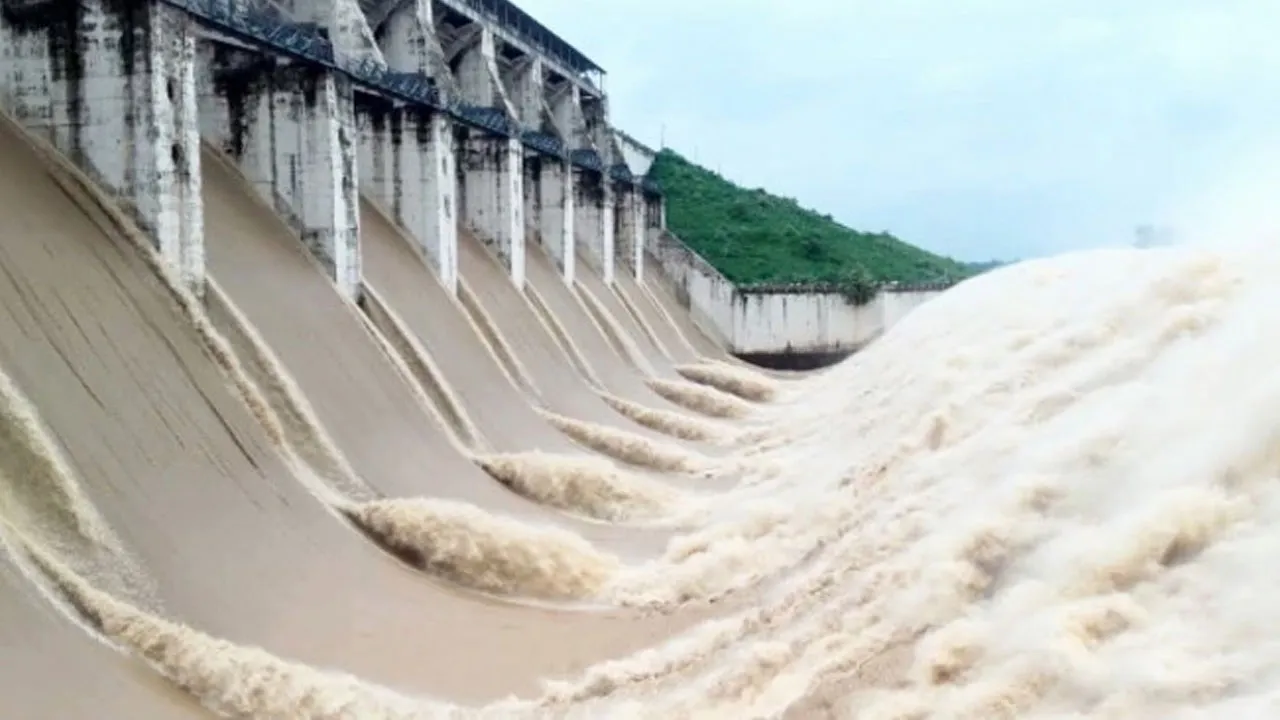
State Minister for Foreign Affairs Shama Obaed Islam has expressed optimism regarding the renewal of the Ganges Water Treaty, stating that discussions are moving in a "positive direction". With the current 30-year agreement set to expire in December 2026, the government expects India to recognize the treaty's vital importance for regional stability.
The stakes for Bangladesh are high. Officials warn that if the treaty lapses without a new agreement, the country faces severe threats to agriculture, food security, and increased climate vulnerability.
Experts and former diplomats are urging the government to go beyond a simple extension. They advocate for a comprehensive reform of the 1996 pact to address modern challenges. Professor Shahab Enam Khan and former High Commissioner Tariq A. Karim emphasized that a new treaty must be "climate-proof" and equitable, reflecting the hydrological changes seen over the last three decades.
To achieve this, experts suggest including economists, urban planners, and environmentalists in the planning process rather than viewing the issue solely through a diplomatic or engineering lens. As both nations seek to reset their bilateral relationship, the successful renewal of this treaty is seen as a primary test of their commitment to shared ecological security and regional cooperation.