Legal notices have been served to four individuals in Shantiganj over the unauthorized use of the name "Shantiganj Press Club." The notices allege that parallel organizations are misleadingly using the original club's name, founding date, and identity, creating confusion among the public and various local institutions.
Sent on Wednesday (July 8) through Advocate Md. Mushahid Ali, the notices were issued on behalf of the original Shantiganj Press Club’s President, Sohel Talukder, and General Secretary, Hossain Ahmed.
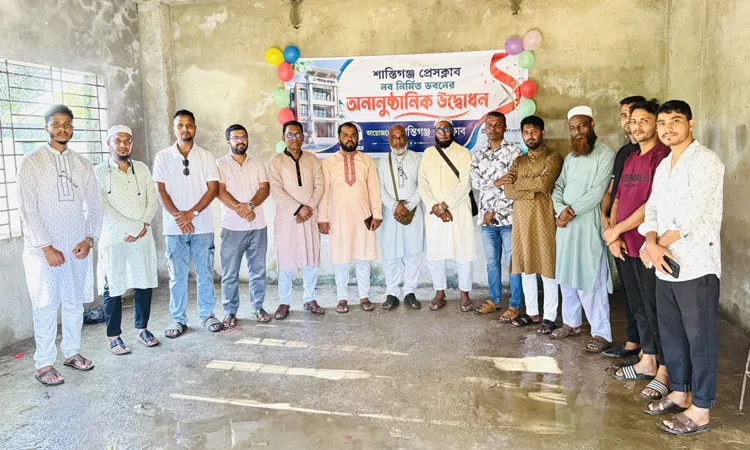
Established on February 22, 2009, the Shantiganj Press Club is a recognized organization dedicated to media freedom, social responsibility, and the professional development of local journalists.
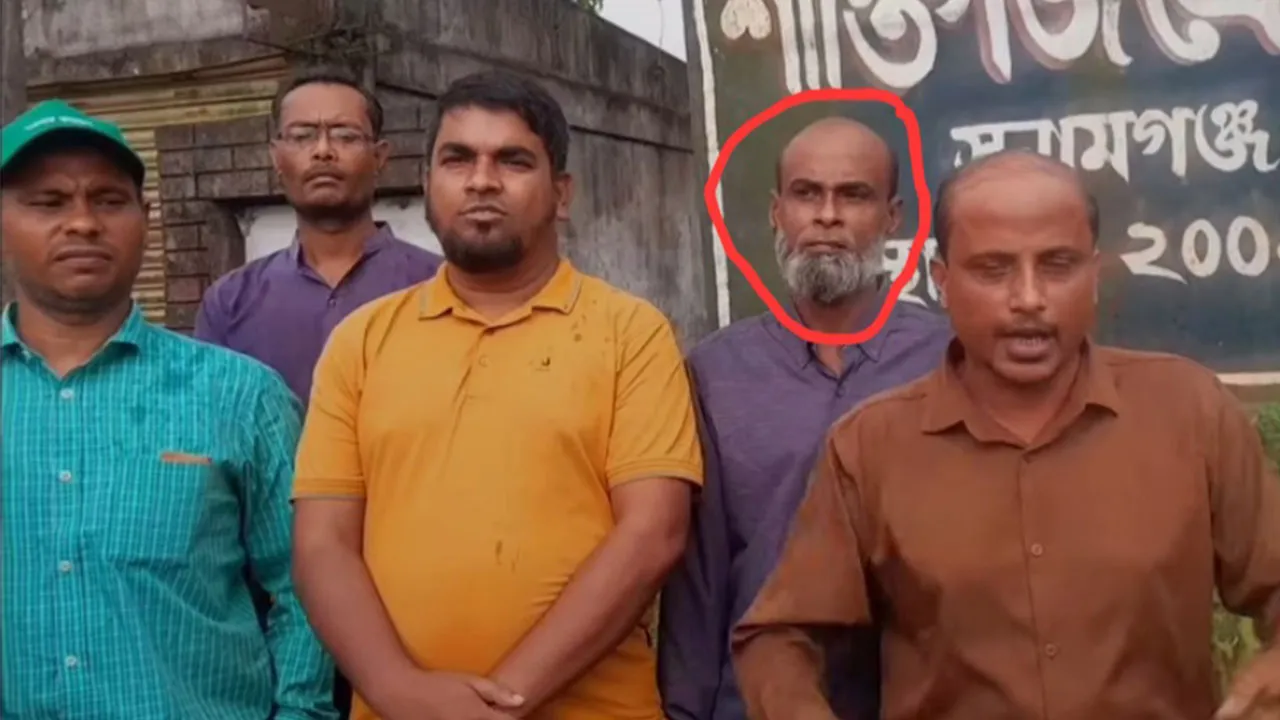
The notices specifically accuse two separate factions—one led by Samiul Kabir and Md. Nurul Haque, and another by Md. Abu Sayeed and Redwan Ahmed—of operating under the club's established name. According to the notice, these individuals have been presenting themselves as press club representatives at meetings, campaigns, and government offices. This unauthorized use violates Bangladeshi law by infringing on the established club's reputation and constituting unfair competition.
The legal notice outlines three strict demands:
Immediately cease using the "Shantiganj Press Club" name or any confusingly similar title.
Remove the name from all banners, signboards, letterheads, official seals, ID cards, social media pages, and websites.
Refrain from conducting any future organizational activities under this identity.
The accused have been given a 15-day ultimatum to respond in writing. Failure to comply will result in civil or criminal lawsuits.
In a joint statement, President Sohel Talukder and General Secretary Hossain Ahmed said, "Our press club was established in 2009. Recently, unauthorized groups have suddenly sprung up, illegally copying our name and identity. None of these individuals belong to the authentic Shantiganj Press Club. If they do not respect the law and comply with the notice, we will pursue strict legal action against them in court."