Tensions between the United States and Iran have sharply escalated, threatening to unravel a fragile 14-point interim ceasefire.
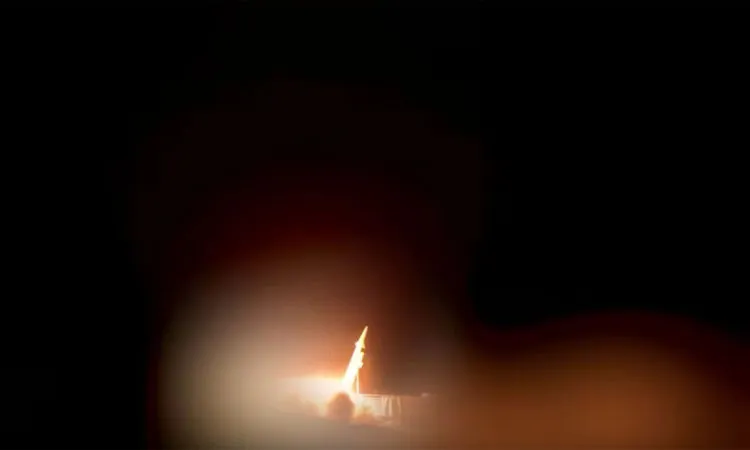
Early Sunday, Iran's Islamic Revolutionary Guard Corps (IRGC) launched ballistic missiles and drones at US military targets in Kuwait and Bahrain. The IRGC stated this operation was in retaliation for American airstrikes on Iranian coastal facilities in Sirik.
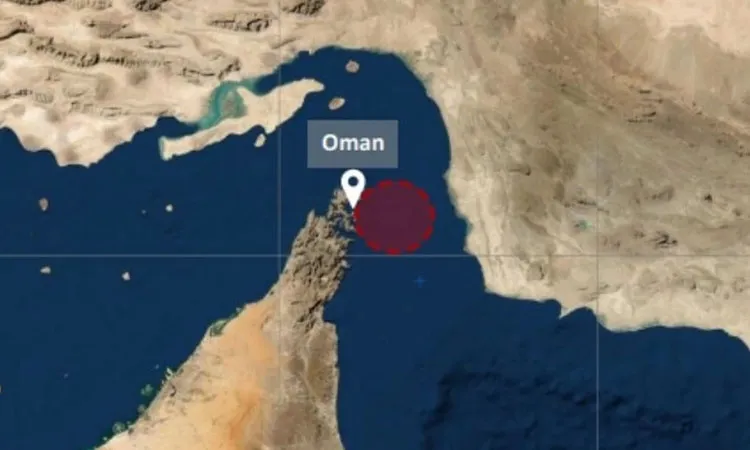
The US Central Command confirmed its strikes were a direct response to an Iranian drone attack on a commercial tanker in the Strait of Hormuz on Saturday. While Kuwait and Bahrain reported intercepting the missiles with no US casualties, the exchange of fire has severely disrupted ongoing diplomatic efforts.

Following the attacks, US President Donald Trump issued a stern warning on social media, threatening to destroy the Iranian government if it abandons the peace agreement. In response, the IRGC warned that US violations of the "Islamabad MoU" ceasefire would result in a total suspension of diplomacy and a harsher crackdown on commercial vessels in the Strait.
The conflict's ripple effects also continue in Lebanon, where Israel conducted fresh strikes against Hezbollah militants despite recent ceasefire agreements. Iran's Foreign Ministry insists that an unconditional Israeli withdrawal from Lebanon is a non-negotiable condition for any final regional peace deal, urging Washington to enforce a strict timeline for Israel's exit.
As both sides trade blows and accusations, the safe passage of global energy supplies through the Strait of Hormuz remains highly vulnerable, leaving the international community on high alert.