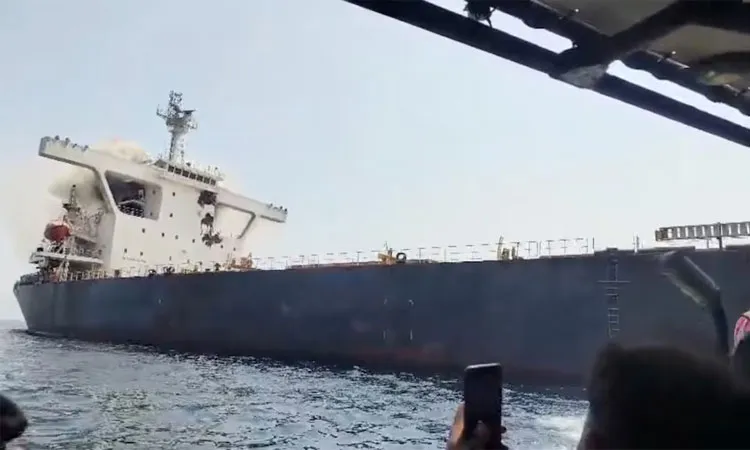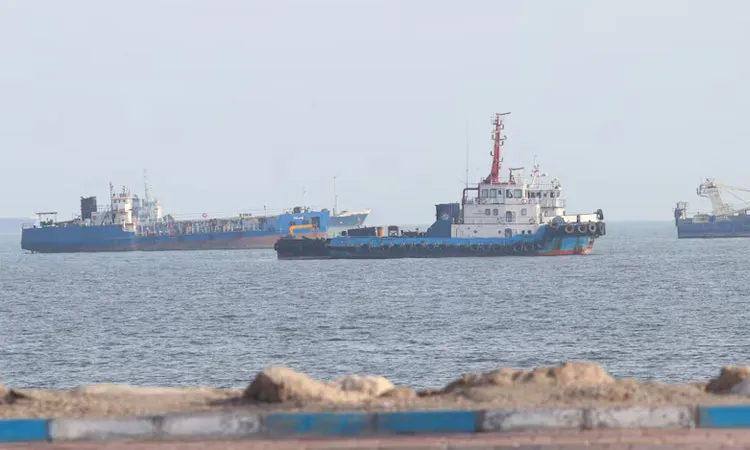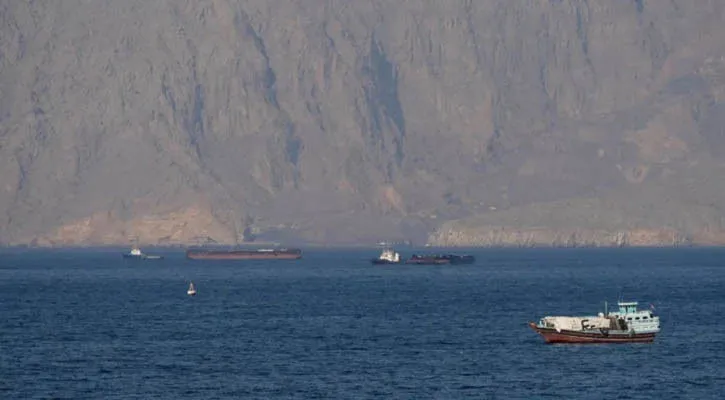
Tensions in the Middle East escalated on Friday (August 14) after the United Arab Emirates directly blamed Iran for attacks on two state-owned oil tankers in the Strait of Hormuz.
According to a report by Qatar-based news outlet Al Jazeera, the vessels belonging to the Abu Dhabi National Oil Company (ADNOC) were targeted on Thursday evening while transiting the strategic waterway. Authorities confirmed that the situation was subsequently brought under control.
In a statement issued early Friday, the UAE Ministry of Foreign Affairs strongly condemned the "hostile attacks" by Iran against the ADNOC-affiliated ships.
The ministry confirmed there were no casualties reported from the incident. Iran has not immediately commented on the allegations.
This marks the second such incident in less than a week, following a similar attack on a UAE state-owned tanker last Saturday. The recurring strikes have heightened global concerns over maritime security and the stability of international energy supplies.
The UAE alleged that Iran is attempting to maintain an effective blockade in the Strait of Hormuz and extort fees from commercial vessels attempting to navigate the crucial shipping lane. The United States has strongly opposed Iran’s actions while maintaining its own naval blockade on Iranian shipping.
Reports indicate that Iran is currently in discussions with Oman regarding the future management of the Strait of Hormuz.
Earlier, Iran's Islamic Revolutionary Guard Corps (IRGC) warned that action would be taken against any vessel linked to Tehran's adversaries or failing to comply with Iranian maritime directives within the strait.
Describing Iran's tactics as tantamount to "piracy," the UAE Ministry of Foreign Affairs warned that using the Strait of Hormuz as a tool for economic coercion directly threatens regional stability, public safety, and global energy security.
According to ADNOC, a total of 15 of its vessels have been targeted while transiting the Strait of Hormuz since military conflict involving the U.S., Israel, and Iran erupted in February.
While no casualties were reported in the latest incident, the escalating friction between the UAE and Iran heightens the risk of prolonged instability in one of the world's most vital energy choke points.