Global oil prices surged to a five-month high on Thursday after fresh attacks in Saudi Arabia and growing threats to shipping near the Strait of Hormuz stoked fears of severe energy supply disruptions.
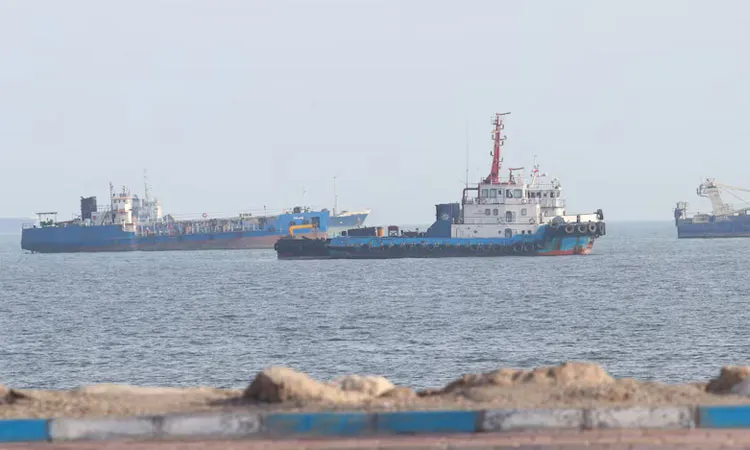
Brent crude, the international benchmark with jumped over 3% to reach $112 a barrel for the first time since mid-May while US West Texas Intermediate approached $99. The surge follows deadly strikes in Saudi Arabia by Iranian-aligned Houthi militants also killed four people across a civilian airport in Dammam and an oilfield. Meanwhile the Iran’s Islamic Revolutionary Guard Corps claimed it hit four vessels in the northern Gulf and reported three others struck mines near the Strait of Hormuz.
The escalating military tensions prompted the United States to evacuate non-essential diplomatic staff and families from Saudi Arabia. Saudi Aramco also instructed personnel at its Dhahran headquarters to work remotely.
Energy markets remain on edge as the US-Iran conflict approaches its ninth month. Brent crude has gained over 80% this year since hostilities disrupted Persian Gulf exports. While data indicates crude shipments through Hormuz have recently edged back toward pre-war levels partly via redirected pipelines refined product exports remain heavily constrained.
The renewed price spike battered global financial markets on Thursday. European stocks dropped 1% while major Asian indexes in Tokyo, Seoul and Hong Kong fell between 2.7% and 3.5%.
Airline shares also slipped as carriers warned that historic fuel costs would wipe out full-year profitability. Analysts warn that prospective post-election strikes by US-Israeli forces against Iran could trigger further volatility across global supply chains.