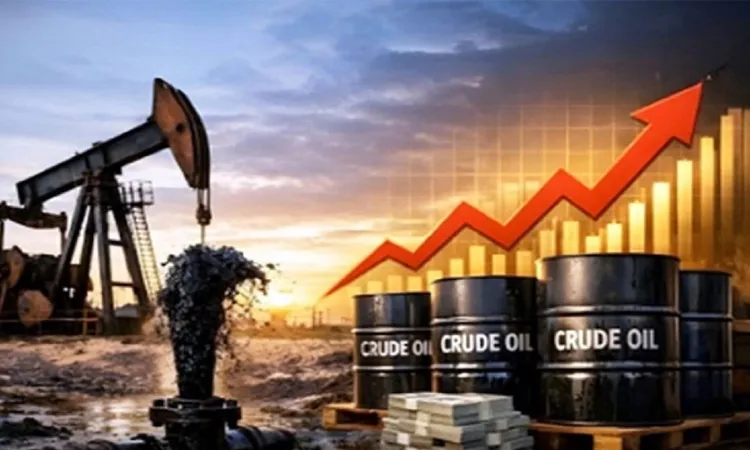
The Iran war and the crisis surrounding the Strait of Hormuz have caused the average cost of transporting crude oil in the global market to rise from $3 per barrel to $20. This means that the cost has increased by $17 in one year.
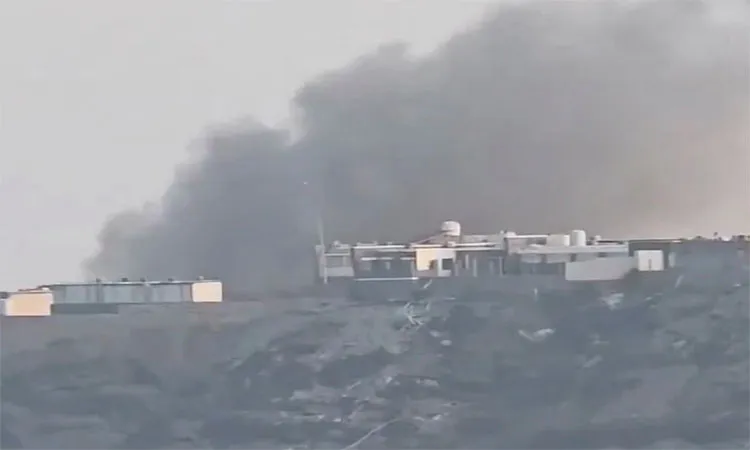
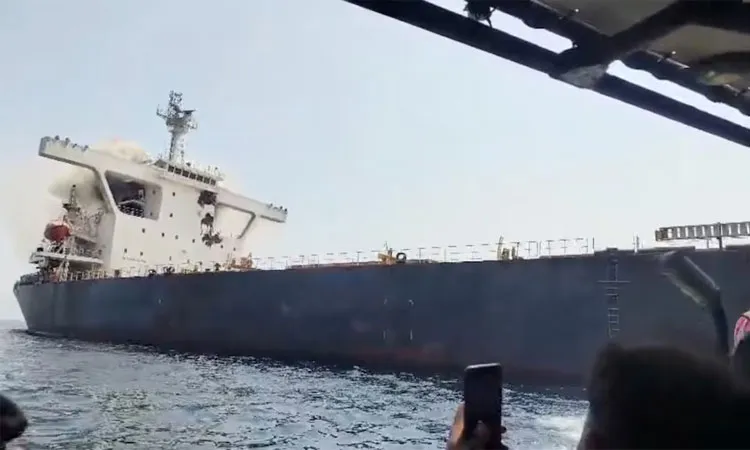
Uncertainty in shipping traffic, attacks on tankers and the risk of war in key Middle Eastern shipping lanes are driving up transportation costs, a crisis that is unlikely to end anytime soon, according to US investment and research firm Goldman Sachs. According to the company's analysts, oil transportation costs may remain high in the short term due to the lack of signs of improvement in the situation in the Middle East. This is likely to put new pressure on oil prices in the global market.
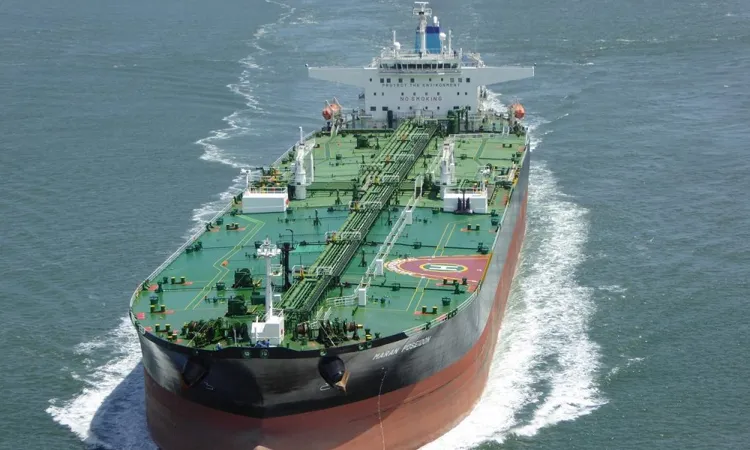
According to Goldman Sachs, oil transportation costs on Middle Eastern routes have increased to $35 per barrel. An additional $7 per barrel is being spent on the risk of war in the Strait of Hormuz, $4 due to rising fuel prices, and another $4 for transferring oil from one ship to another in the Gulf of Oman. The company forecasts that the price of Brent crude in the international market could be $90 per barrel by the end of this year. However, prices could exceed this forecast due to rising transportation costs, more attacks on ships, damage to oil infrastructure and prolonged geopolitical risks. Brent crude was trading at $109.34 per barrel on Wednesday, while US West Texas Intermediate (WTI) was trading at $98.47 on the same day. The Iran war has also pushed oil supertanker rates to record highs. In September, the daily rate for a supertanker carrying crude oil from the Persian Gulf to China was $1 million. In early October, the rate for a supertanker carrying oil from the Persian Gulf to East Asia exceeded $1.4 million. Outside the Strait of Hormuz, large tankers are having to wait for weeks in the Gulf of Oman. From there, oil is being transferred to smaller vessels, known as ship-to-ship transfers. This is increasing the journey time of ships and reducing the number of supertankers available for use in the global market due to their confinement in the Middle East. As a result, oil producers and buyers are turning to smaller tankers such as Aframax and Suezmax. According to Kepler, a global market data and analysis firm, oil supplies have fallen again after fresh attacks. At least 18 tankers have been attacked in the past two weeks. Daily oil supplies from the Persian Gulf fell to 8.5 million barrels earlier this week. Two weeks ago, these supplies were more than 20 million barrels per day. Analysts fear that if the oil supply crisis continues, the fuel costs of import-dependent countries will increase. In addition, there may be pressure on transportation, power generation and industrial production costs. Source: Oilprice.com