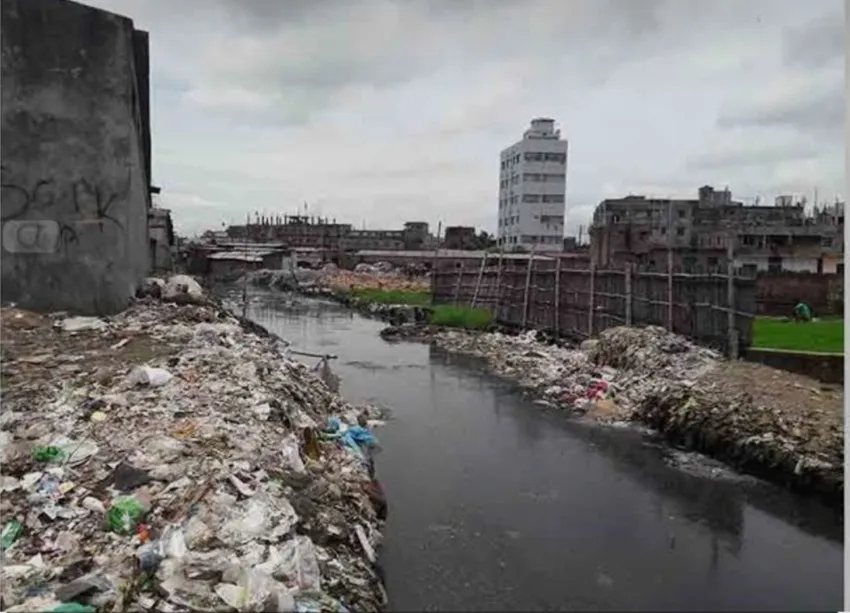
Savar is at a critical environmental crossroads. Once known primarily as an industrial and educational hub on the outskirts of Dhaka, it is increasingly burdened by air pollution, contaminated rivers, unmanaged waste, traffic congestion, noise pollution, and the destruction of wetlands and green spaces. Its rapid urbanisation and industrial growth have brought economic opportunities, but inadequate environmental management threatens to undermine the very foundations of sustainable development.
The growing concern over Savar’s degraded air quality should serve as a wake-up call for policymakers, municipal authorities, industries, and citizens alike. The question is no longer whether Savar faces an environmental crisis. The question is whether we have the political will, institutional capacity, and collective commitment to address it before the damage becomes irreversible.
Savar is also undergoing a period of urban transformation, with the prospect of elevation from municipality to city corporation status. Such a transition must mean more than an administrative change. It should provide an opportunity to build a modern, healthy, resilient, and environmentally sustainable urban centre.
But who will take responsibility for making this vision a reality?
Industrial pollution remains one of Savar’s most pressing environmental challenges. The industrial belts of Hemayetpur, Ashulia, Baipail, Tetuljhora, and the Dhaka Export Processing Zone (DEPZ) host extensive manufacturing activities, including garment production, textile dyeing, leather processing, and other industries.
These industries contribute significantly to employment and the national economy. However, where wastewater treatment and emission controls are inadequate, their environmental costs can be severe.
The tannery estate at Hemayetpur is a particular concern because tannery effluent can contain chromium and other hazardous substances. Ineffective or poorly operated effluent treatment plants (ETPs) can allow pollutants to enter rivers, canals, soil, and groundwater.
The Bangshi and Dhaleshwari rivers, along with connected waterways, face pressure from industrial discharges, untreated sewage, and solid waste. In some stretches, pollution threatens aquatic life and the ecological functions of these rivers. The consequences extend beyond the environment, affecting public health, fisheries, agriculture, and the livelihoods of riverside communities.
Industrial development cannot be considered sustainable when its costs are transferred to surrounding communities and ecosystems. Industries must comply with environmental requirements, and regulatory authorities must ensure that treatment facilities work effectively rather than exist merely on paper.
Water pollution is closely linked to the wider crisis of urban management in Savar. The Bangshi, Dhaleshwari, and Turag river systems face varying degrees of pressure from industrial effluent, domestic sewage, and improperly disposed waste.
Groundwater depletion is another growing concern as industries, commercial establishments, and households compete for water. The extent of groundwater decline and the presence of heavy metals such as chromium and lead must be established through systematic monitoring. Nevertheless, the need for precautionary management is clear.
Savar requires a coordinated programme to identify pollution sources, monitor water quality, prevent untreated discharges, and restore degraded river stretches. Industries must operate effective treatment facilities, while municipal authorities must improve sewage and waste management.
Where technically feasible, a properly designed common effluent treatment plant (CETP) could serve eligible industrial clusters. However, such a facility cannot replace the obligation of individual industries to meet applicable environmental standards.
Our rivers must be treated as living ecosystems, not as convenient channels for disposing of industrial and municipal waste.
Solid waste management is another major weakness in Savar’s urban development. Inadequate collection, indiscriminate dumping, plastic pollution, and insufficient treatment and disposal facilities threaten the environment and public health.
Waste abandoned along roadsides, riverbanks, and open spaces can block drainage channels, contaminate water, and create breeding grounds for disease-carrying insects. Open burning releases harmful pollutants into the air, further worsening an already difficult situation.
The municipality needs a scientifically designed, financially viable waste management system. This should include door-to-door collection, waste segregation at source, recycling, composting of organic waste, recovery of reusable materials, and environmentally safe final disposal.
Reliable data on daily waste generation and collection rates are essential to plan the required facilities and services. Businesses and industries must also be held responsible for managing their waste appropriately.
Plastic waste deserves particular attention. Without effective collection, recycling, and reduction measures, disposable packaging will continue to accumulate in drains, waterways, and open spaces.
Waste management is not simply a matter of keeping the streets clean. It is a fundamental public service and an essential component of environmental protection.
Air pollution is among the most urgent environmental concerns in Savar. Emissions from brick kilns, industrial operations, diesel-powered vehicles, construction activities, and road dust combine to create a serious pollution burden, particularly during the dry season.
Brick kilns around Savar and Ashulia require close regulatory scrutiny, especially where they operate near residential areas and other sensitive locations. Industrial emissions must also be monitored, while construction sites and road projects should implement effective dust-control measures.
Unpaved roads, uncovered construction materials, and inadequate street cleaning can contribute to elevated particulate pollution. Heavy vehicles serving industrial areas add to congestion, exhaust emissions, and road dust.
Fine particulate matter, particularly PM2.5, is associated with serious respiratory and cardiovascular health risks. Air quality in Savar should therefore be monitored systematically, with reliable data made available to the public.
The authorities must identify major pollution sources, enforce applicable emission standards, prevent open waste burning, and promote cleaner transport and industrial technologies.
Declaring or identifying an area as a degraded airshed will have little practical value unless it leads to measurable reductions in pollution.
The loss of wetlands, ponds, canals, agricultural land, trees, and natural habitats is weakening Savar’s ecological resilience. Unplanned housing and commercial development can encroach on flood-flow zones and obstruct natural drainage, increasing the risk of waterlogging during the monsoon.
Wetlands and water bodies are not vacant land awaiting construction. They store rainwater, help recharge groundwater, support biodiversity, and provide essential ecological services. Trees and green spaces regulate local temperatures, capture some airborne pollutants, and improve the quality of urban life.
The authorities must identify and protect remaining wetlands, water bodies, and flood-flow zones through enforceable land-use plans. Illegal filling and encroachment should be addressed in accordance with the law. Damaged canals should be restored where feasible, and native trees should be planted and maintained in parks, roadside green belts, and other suitable public spaces.
Urban expansion must respect the natural drainage system. Otherwise, the costs of poorly planned development will return in the form of flooding, deteriorating water quality, biodiversity loss, and declining public health.
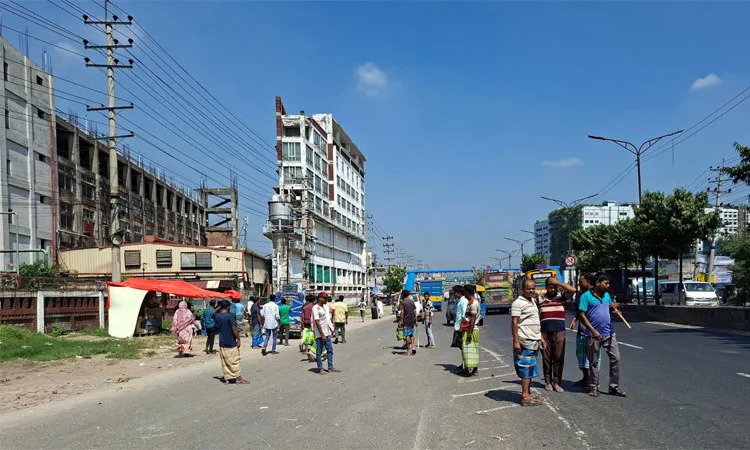
Savar’s industrial growth has also increased the movement of trucks, buses, motorcycles, and private vehicles. Poor traffic management, excessive horn use, vehicle emissions, and non-compliance with traffic regulations create additional environmental and public safety problems.
The unnecessary use of hydraulic horns in residential areas, near schools, and around hospitals should not be tolerated. Vehicle fitness and emissions requirements must be enforced, and traffic management should account for the needs of pedestrians, public transport, and industrial freight.
Regular road cleaning, effective drainage, better parking management, and designated routes for heavy vehicles could help reduce congestion and dust. Noise pollution should be addressed through monitoring and enforcement rather than being accepted as an inevitable consequence of urban growth.
The National Building Code and applicable environmental and planning requirements must also be followed. Construction should not obstruct drainage channels, encroach on protected water bodies, or compromise the safety and well-being of surrounding communities.
A growing city needs not only infrastructure but also effective rules and the institutional capacity to enforce them.
Savar’s environmental problems are interconnected and cannot be resolved through isolated projects or occasional enforcement drives. They require a coordinated, time-bound environmental management programme.
First, the municipality and relevant national agencies should undertake a comprehensive environmental assessment covering air and water quality, industrial pollution, solid waste, noise, drainage, wetlands, and biodiversity. The findings should be made publicly available and used to establish clear priorities.
Second, industrial pollution control must become a regulatory priority. Relevant industries should be required to operate effective ETPs, comply with discharge standards, and demonstrate their compliance through regular inspections and credible monitoring.
Third, Savar needs a modern solid waste management system, with reliable collection, segregation, recycling, composting, and safe disposal. Open dumping and waste burning must be addressed through improved public services and consistent enforcement.
Fourth, the authorities should develop a coordinated river and canal restoration programme. Protecting water bodies, preventing untreated discharges, and restoring natural drainage must be central to urban planning.
Fifth, air pollution should be tackled at its sources through industrial emission controls, brick kiln regulation, construction dust management, cleaner transport, and systematic air quality monitoring.
Finally, environmental protection must become a central responsibility of urban governance. Savar Municipality should coordinate with the Department of Environment, development authorities, industrial estate managers, water and sanitation agencies, transport authorities, and local communities. The proposed transition to city corporation status should be accompanied by stronger environmental management capacity, adequate funding, transparent reporting, and clear accountability.
Savar’s environmental crisis is not the responsibility of one institution alone. The municipality must lead on local environmental services and coordination, while national regulatory agencies must enforce the laws within their respective mandates. Industries must take responsibility for their pollution, developers must comply with planning requirements, and citizens must participate in keeping their communities clean.
But institutional complexity must not become an excuse for inaction. The public should know which agency is responsible for each major problem, what action it will take, and when progress can be expected.
If Savar is to become a city corporation, it must aspire to become more than a larger administrative unit. It must become a place where clean air, safe water, functioning drainage, responsible waste management, accessible green spaces, and healthy ecosystems are treated as essential public priorities.
Economic growth and environmental protection are not opposing goals. Sustainable industries, efficient urban services, and a healthy environment can reinforce one another when development is properly planned and effectively regulated.
The time has come for Savar’s authorities and stakeholders to move from statements of concern to concrete action. The restoration of its rivers, control of industrial pollution, protection of wetlands, and improvement of air quality must become measurable public commitments.
Who will save Savar? The responsibility belongs to all of us, but leadership must come from the institutions entrusted with governing it. The time to act is now—before environmental degradation becomes Savar’s defining legacy.
The writer is an Executive Director at the Centre for Global Environment and Development CGED
Industrial growth at the cost of the environment
Rivers are not industrial drains
A growing waste crisis
The air we breathe is under threat
Development must not destroy nature
Traffic, noise, and the failure of urban discipline
What must be done now?

A city cannot be built on environmental decline