Iran has shifted tactics to intensify attacks on commercial shipping in and around the Strait of Hormuz and targeting to keep global oil prices elevated ahead of the US midterm elections according to senior Iranian officials and military data.
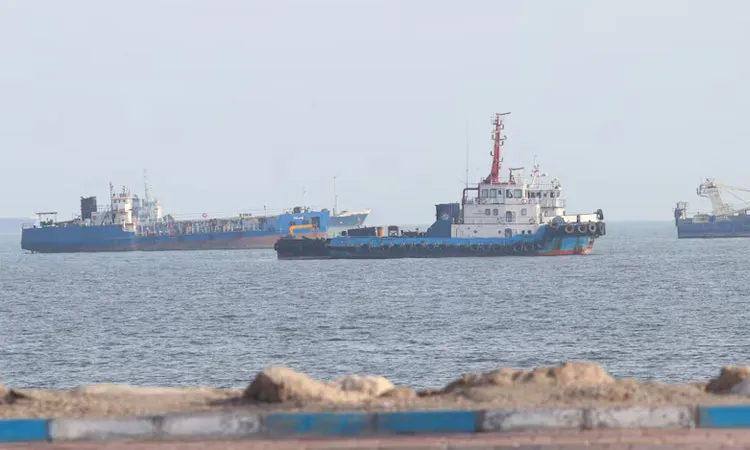
Following military strikes by the US and Israel on February 28, Tehran restricted transit through the key energy corridor a route historically responsible for one-fifth of global oil and liquefied natural gas trade. Despite heavy damage to its navy and radar systems, Iranian forces have adapted. Using small and unarmed dhows as target spotters for the Islamic Revolutionary Guard Corps (IRGC), Tehran has launched a new wave of drone strikes and harassment.
Data from the International Maritime Organization (IMO) and the UK Maritime Trade Operations (UKMTO) show attacks spiking to their highest levels since the conflict began with at least five major incidents recorded in recent days. Iranian officials confirmed that the strategic shift involves increasing the pace of attacks and expanding operations beyond the strait into the Gulf of Oman targeting waters near Qatar and the UAE.
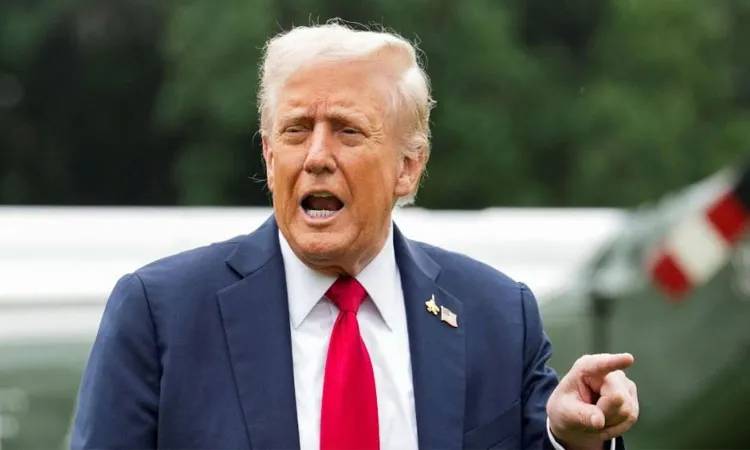
"Tehran will not allow Trump to bring down oil prices before the November elections" an Iranian official stated also characterizing the moves as a calculated maneuver.
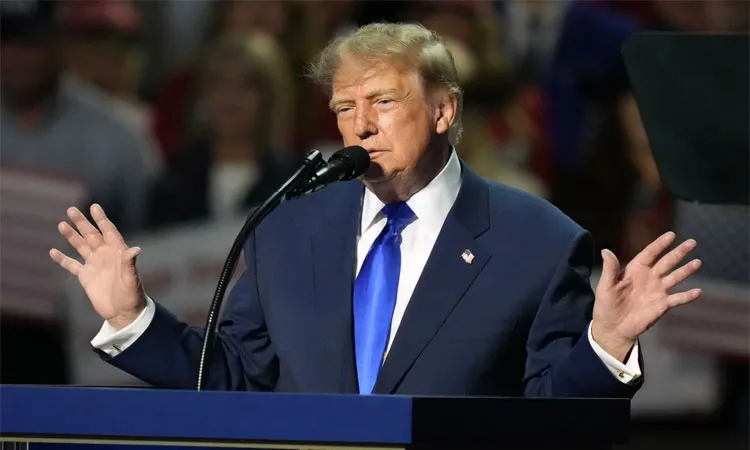
Meanwhile the diplomatic and military tension remains high. Reports suggest US President Donald Trump and Israeli Prime Minister Benjamin Netanyahu have discussed potential new strikes against Iranian targets the nuclear sites though the White House denies any immediate plans to resume offensive action before the midterms.
However the US defense officials confirm both militaries remain on high alert as the US maintains its naval blockade and economic sanctions.