The global economy "could soon test the limits of resilience" as emergency oil reserves dwindle and government budgets face severe strain from ongoing geopolitical conflict, the International Monetary Fund (IMF) warned on Tuesday.
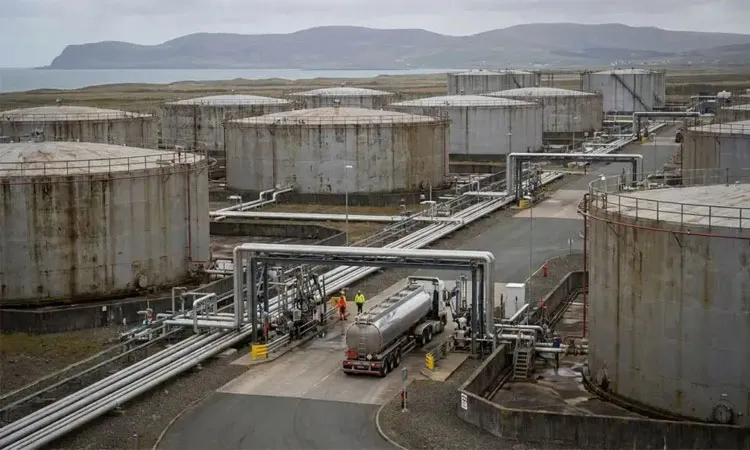
In its latest World Economic Outlook published during annual meetings in Bangkok, the IMF noted that global growth has shown unexpected resilience despite the US-Iran war disrupting Middle East energy supplies. However with strategic petroleum reserves depleted and public debt levels elevated worldwide, governments now have little fiscal room to cushion consumers against future price shocks.
IMF Economic Counsellor Silvana Tenreyro cautioned that resilience is reaching its limits and urged global leaders to move from "just coping to rebuilding" financial buffers. IMF Managing Director Kristalina Georgieva also called on finance ministers to rein in government spending.
The IMF marginally raised its 2026 global growth forecast to 3.1%, up from 3.0% in July while maintaining a 3.4% growth projection for 2027. US economic growth is expected to remain steady at 2.3%, while the UK’s 2026 forecast was upgraded to 1.3%.
Despite these short-term gains, the Fund emphasized that risks remain tilted to the downside. Prolonged Middle East conflict, rising interest rates and elevated energy prices threaten to prolong global inflation, which is projected at 4.7% for 2026 before easing to 4.1% in 2027.
Central banks were advised to remain agile and avoid premature policy shifts while monitoring long-term inflation threats, potential AI-market volatility and energy infrastructure risks.