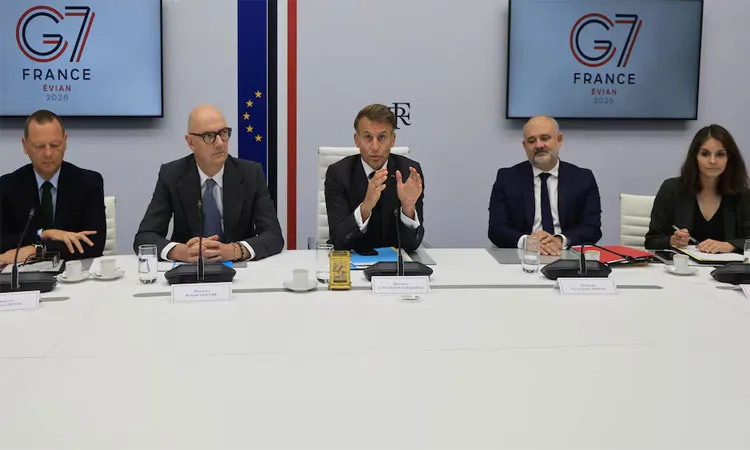
The Group of Seven (G7) nations agreed on Friday to release 100 million barrels of diesel and crude oil from emergency reserves over the next four months to stabilize soaring global energy prices caused by the ongoing war involving Iran.
The coordinated effort, managed through the International Energy Agency (IEA) will begin immediately. It includes a heavy focus on early diesel supply with a substantial portion slated for release within the first 20 days by G7 members and partner countries.
The move aims to cool rapidly rising fuel costs that have strained global economies and threatened energy security, particularly in Europe. European nations have faced severe supply disruptions and relied heavily on alternative imports following conflict-driven supply cuts from Gulf producers.
In a joint statement the G7 leaders pledged not to restrict energy exports among member nations and urged all global oil producers to avoid trade bans that could worsen market volatility.
"Taking into account commitments that have already been fulfilled, we will implement our commitments with a coordinated release through the IEA of 100 million barrels" the G7 statement read. Leaders added that they will meet again in the coming days to assess whether additional diesel releases are necessary.
The decision closely follows political pressure from Washington. US President Donald Trump had previously urged European allies including Germany and France to tap into their emergency fuel inventories to tame domestic prices ahead of the upcoming US midterm elections.
Following news of the agreement, energy markets reacted immediately. US diesel futures dropped by over 4% to $4.4491 per gallon while European benchmark diesel futures fell by more than $90 per metric ton.
Alongside the stock drawdowns, the G7 agreed to coordinate refinery maintenance schedules across member nations to avoid simultaneous operational shutdowns and maximize production capacity. The IEA has been tasked with monitoring the impact of these measures and issuing a progress report within 20 days.
G7 leaders also called for the full restoration of free navigation through the strategic Strait of Hormuz a crucial transit route for global oil shipments and reaffirmed their commitment to maintaining sanctions on Russia while mitigating broader economic spillovers into global fuel and commodity markets.
European Council President António Costa welcomed the decision with stating that EU leaders will gather on October 15–16 to discuss further measures to protect citizens and businesses from high energy prices also long-term strategies to reduce dependence on imported fossil fuels.