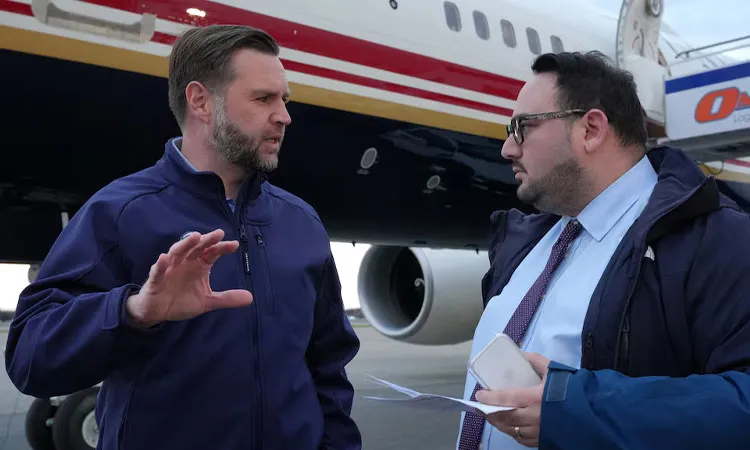
US Vice President JD Vance has said Iran must make a "meaningful" reduction in its nuclear enrichment capacity to satisfy American demands and end the seven-month war between the two nations.
Speaking to Reuters following a campaign trip to Alaska, Vance emphasized that Washington will not accept verbal assurances instead of concrete nuclear concessions.
"If you don't want a nuclear weapon, then why do you need 60% enriched fuel? That's a very basic threshold issue," Vance said, stressing that the US would not "trade words for actions."
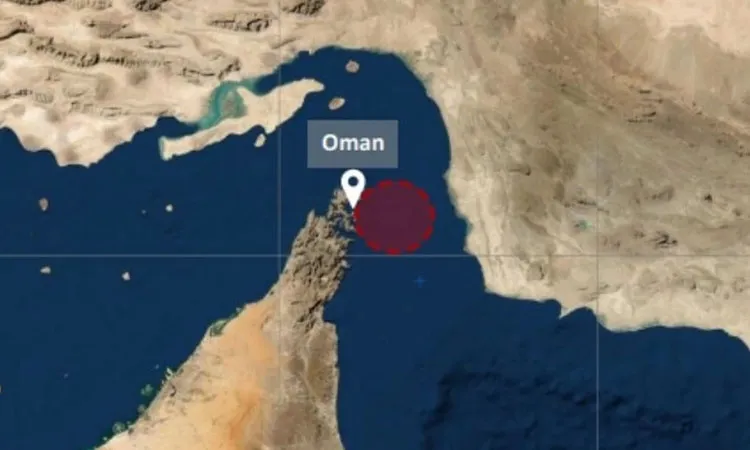
The ongoing conflict costing the US an estimated $3 billion monthly has disrupted global energy markets, pushed up fuel prices, and reopened the vital Strait of Hormuz shipping lane into a central issue for the upcoming US midterm elections.
Complicating negotiations, Vance noted that Washington remains uncertain who holds ultimate authority in Tehran following joint US-Israeli strikes at the start of the war that killed Supreme Leader Ayatollah Ali Khamenei. While US officials are in contact with Iranian President Masoud Pezeshkian and Foreign Minister Abbas Araqchi, it is unclear how decisions are currently being finalized.
Iran's Foreign Ministry dismissed Vance's statements with arguing that Washington understands Tehran's governing structure and that the real obstacle to peace stems from contradictory positions held by American officials.
Despite battlefield challenges and voter concerns over rising energy costs JD Vance defended the administration's stance while downplaying fears of critical US ammunition shortages. He reiterated that President Donald Trump is directing the peace talks to secure a lasting settlement.