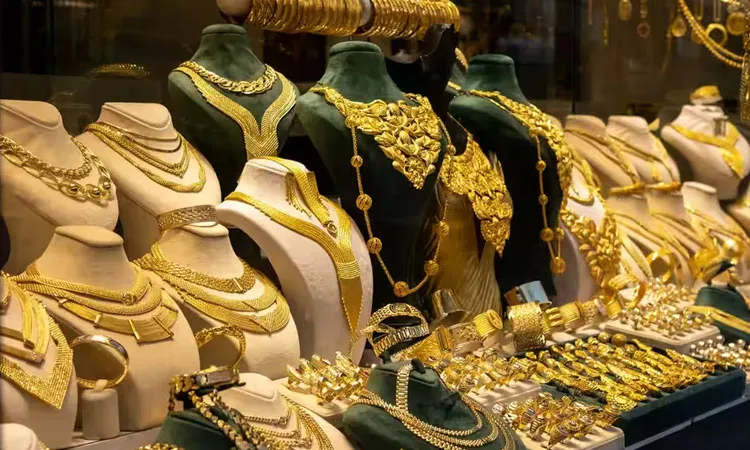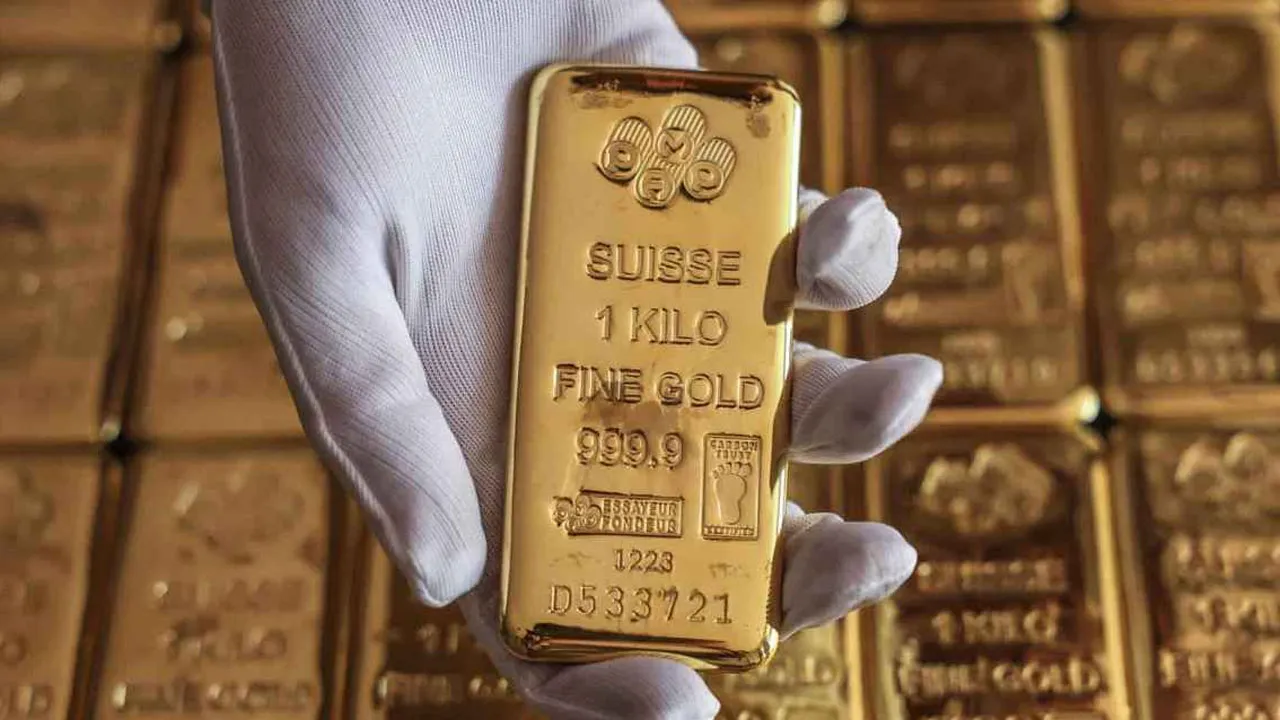
Gold prices rose again in the international market on Monday, supported by a weaker US dollar and growing expectations that the US Federal Reserve may not raise interest rates next month.
According to a Reuters report published on Monday (August 17), spot gold rose 0.5% to $4,398.58 per troy ounce at around 4:32pm Bangladesh time. Gold had already reached its highest level in more than two months during the previous week.
Meanwhile, US gold futures for December delivery gained 0.4% to reach $4,455.50 per ounce.
Why Is Gold Getting More Expensive?
Ole Hansen, head of commodity strategy at Saxo Bank, told Reuters that weaker-than-expected inflation and employment-related data have reduced expectations of further interest-rate increases.
Markets are increasingly anticipating that the Federal Reserve could potentially cut interest rates in a future policy decision.
A weaker US dollar is also providing additional support to gold prices. Since gold is traded internationally in dollars, a decline in the dollar can make the precious metal relatively more attractive to buyers holding other currencies.
Other Precious Metals Also Gain
Gold was not the only precious metal to gain on Monday.
The simultaneous rise across several precious metals indicates continued strength in the broader metals market.
Despite the rise in international gold prices, the current domestic rates stated in the report remain as follows, including VAT:
Gold category Price per bhori 22-carat Tk 236,779 21-carat Tk 226,165 18-carat Tk 194,206 Traditional method Tk 158,630
One bhori of gold is equivalent to approximately 11.664 grams.
What Could Happen Next?
International gold prices will continue to be influenced by several key factors, particularly US interest-rate expectations, the dollar's movement, inflation and employment data, geopolitical uncertainty, and investor demand for safe-haven assets.
For Bangladesh, domestic gold prices can also change depending on international prices, exchange-rate movements and decisions by the country's jewellery industry authorities.