- National
- Bangladesh
- Business
- International
- Sports
- Entertainment
- Politics
- Technology
- Life Style
- Religion
- Opinion
- FIFA World Cup 2026
Monday, 17 August 2026


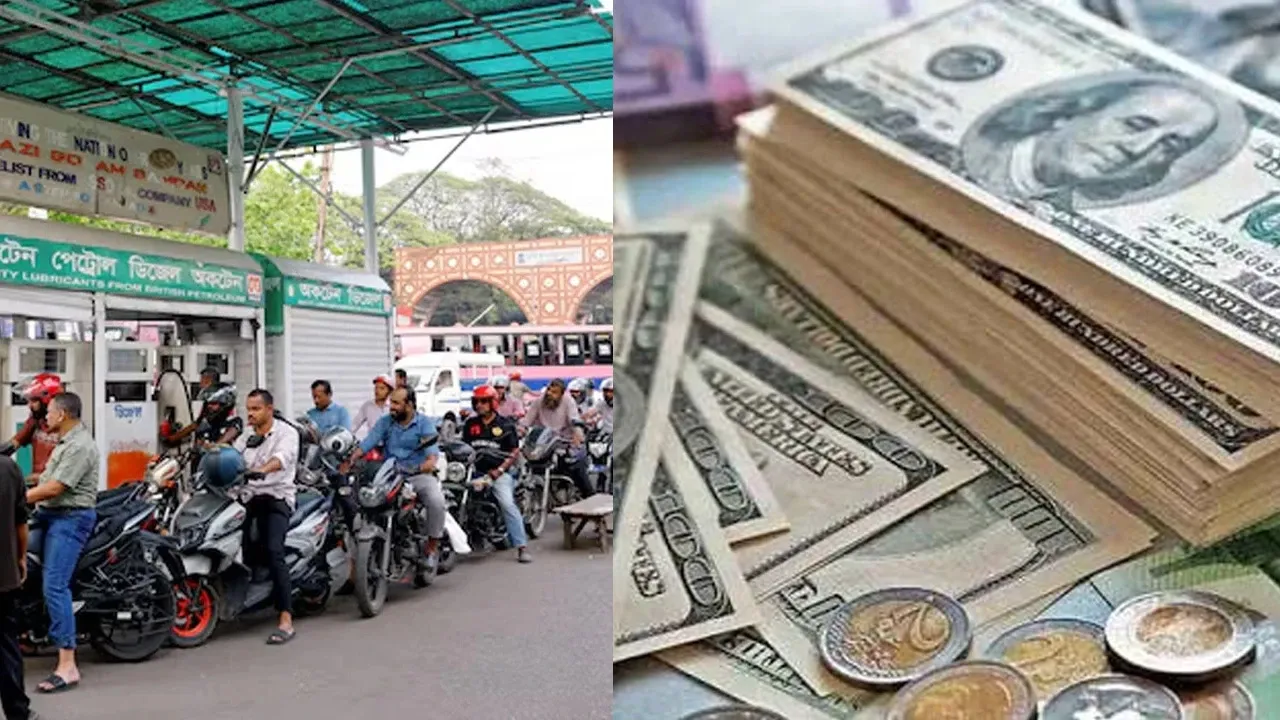
Bangladesh’s economy is facing continued pressure from a fuel shortage, weak investment and a widening trade deficit, even as remittances from overseas workers provide an important source of foreign currency.
The BNP-led government has completed its first six months in office, offering a mixed picture of the country’s economic performance. While some key indicators have improved, high inflation, energy shortages and weak investment continue to weigh on businesses and households.
Inflation stood at 9.13% in February and eased to 8.32% in July. Although the decline offers some relief, prices remain high, and the cost of living continues to be a major concern for ordinary consumers.
The energy crisis has emerged as one of the major challenges facing the economy. The disruption caused by the conflict in the Middle East has contributed to higher fuel prices and increased import costs.
Bangladesh spent more than $10 billion on fuel imports during the last fiscal year, according to the report. Despite the higher import bill, foreign-exchange reserves did not decline significantly because weak domestic investment reduced demand for imports in other sectors.
Gross foreign-exchange reserves rose to around $37.7 billion in August, while the exchange rate remained relatively stable at around Tk 123 per US dollar.
Economists, however, caution that reserve stability alone does not indicate a strong recovery. Investment, revenue collection and export performance remain critical to sustainable economic growth.
Investment continues to be one of the biggest concerns for the economy. Businesses have been struggling with energy shortages, uncertainty and weaknesses in the banking sector.
Mohammad Hatem, president of the Bangladesh Knitwear Manufacturers and Exporters Association (BKMEA), said energy shortages and the lack of banking-sector reforms have severely affected investment. According to him, foreign investment has remained extremely limited, while domestic investors are also struggling to maintain their businesses.
Economists have also stressed the need to implement the government’s budget measures effectively. CPD Distinguished Fellow Professor Dr. Mustafizur Rahman said reforms aimed at supporting businesses and expanding revenue collection would need to be properly implemented to strengthen the economy and reduce future debt risks.
Bangladesh’s export sector has also failed to provide the expected boost to the economy. At the same time, higher imports of fuel and fertilizer have pushed up the overall import bill.
As a result, the country’s trade deficit has risen to around $27 billion, adding further pressure to the external sector.
The combination of weak exports, high energy costs and low investment has made economic recovery more difficult.
Despite these challenges, remittances from Bangladeshi migrant workers have provided significant support to the economy.
More than $35 billion in remittances entered the country during the last fiscal year. The strong inflow helped offset the trade deficit and contributed to a balance-of-payments surplus of more than $6.6 billion.
The continued strength of remittance inflows has helped Bangladesh maintain foreign-exchange reserves and stabilize the taka. However, economists say the economy cannot rely on remittances alone for long-term growth.
Economists and business leaders say the government’s immediate priorities should include resolving the energy crisis, restoring investor confidence, reforming the banking sector and improving the business environment.
Professor Mustafizur Rahman said the government’s 2026–27 budget contains several positive measures, but the first six months have not yet produced major improvements in the structural challenges inherited by the government.
For Bangladesh, the next phase will therefore be crucial. Containing inflation and securing fuel supplies may provide short-term relief, but stronger investment, export growth, banking reform and higher domestic revenue will be necessary for a sustainable economic recovery.