The United States has launched targeted airstrikes on Iran in response to a drone attack on a commercial vessel in the Strait of Hormuz, throwing a fragile recent ceasefire into crisis. Tensions in the Middle East have reignited after the US Central Command (CENTCOM) confirmed strikes on Iranian missile and drone facilities, as well as coastal radar installations.
According to international media reports on Saturday, the US stated the strikes were a direct retaliation for Iran's drone attack on the Singapore-flagged cargo ship MV Ever Lovely. Washington accused Tehran of violating international freedom of navigation and the June 17 ceasefire agreement.
Iran strongly condemned the US action. The Islamic Revolutionary Guard Corps (IRGC) accused Washington of violating its commitments and claimed Iranian naval forces had counterattacked US regional positions. "If this aggression is repeated, our response will be more comprehensive," the IRGC warned. CENTCOM's announcement followed reports of an explosion near the southern Iranian port city of Sirik, where an Iranian military source confirmed a projectile hit a dock late Friday night. This rapid escalation has cast severe doubt on the validity of the recent US-Iran memorandum of understanding. While US officials maintain the ceasefire theoretically remains in effect, both nations are actively accusing each other of violating its terms.
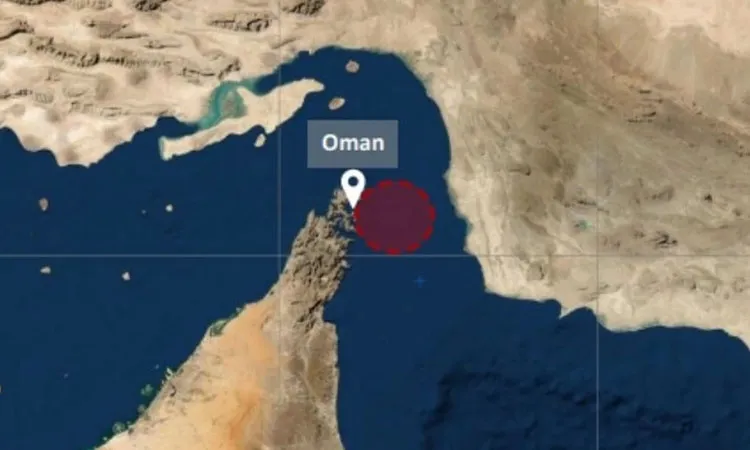
At the center of the conflict is the Strait of Hormuz, a critical global energy transport route. The renewed violence has disrupted commercial shipping and forced the UN's International Maritime Organization (IMO) to temporarily suspend a safe-evacuation operation for stranded sailors. To maintain global trade and energy supplies, Oman—in coordination with international partners—is facilitating a temporary maritime corridor. Ships can use this southern route through coordination with relevant maritime authorities to ensure safe transit through the volatile strait.