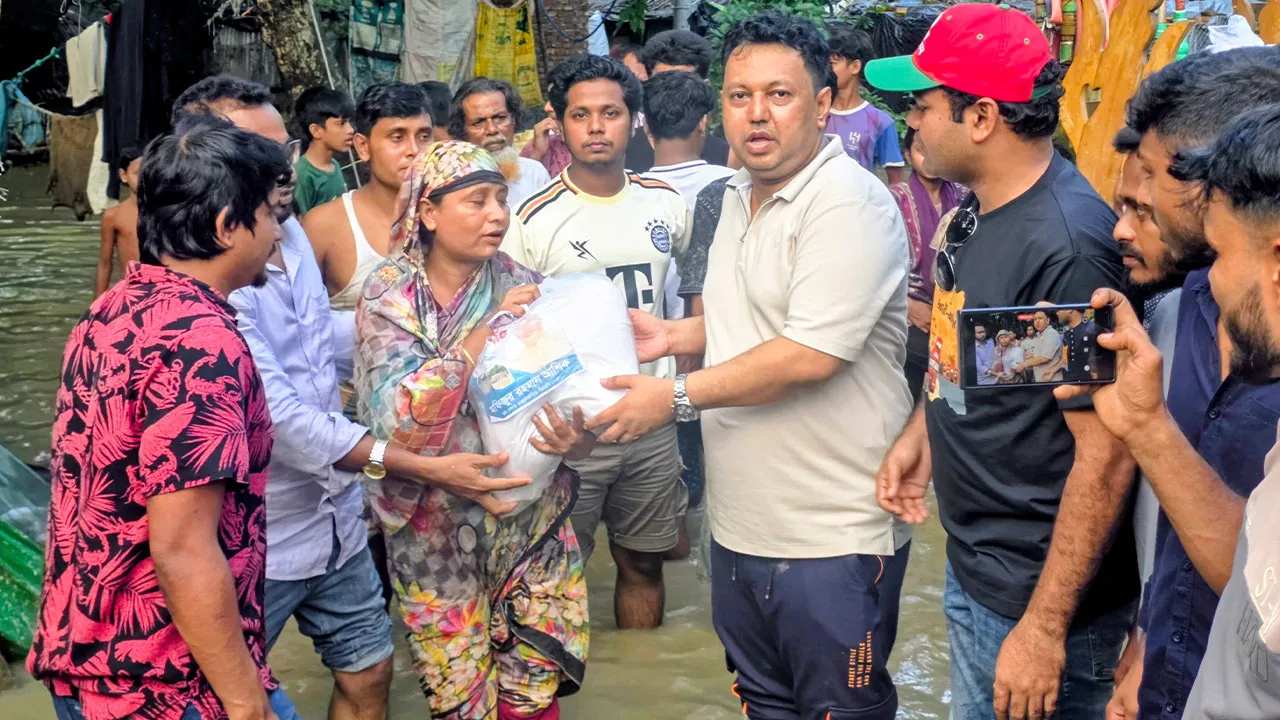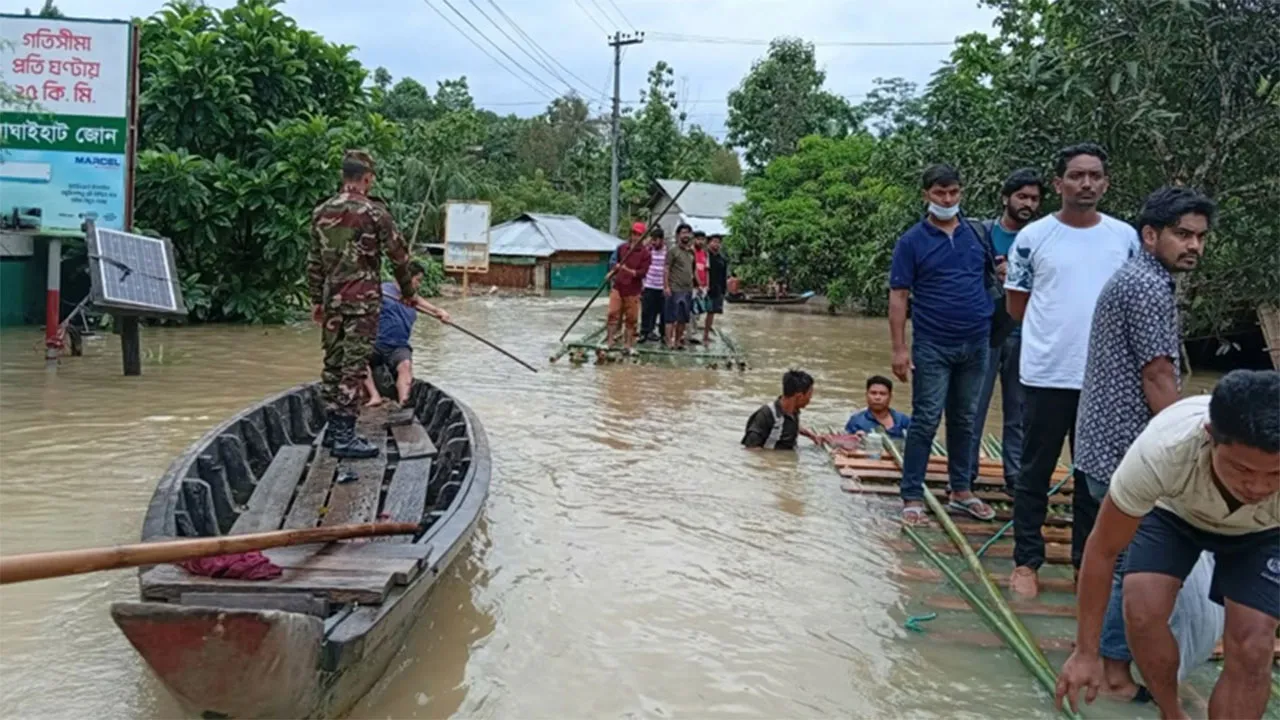
Continuous heavy rains and mountain runoff have left 650,000 people stranded across Chittagong, with 11 deaths confirmed by the District Relief and Rehabilitation Office. While floodwaters have begun to recede in some areas, the situation remains critical as significant infrastructure damage disrupts power and communication.
Satkania and Banshkhali upazilas are the worst affected. In Satkania, where 352,500 people remain marooned, the Sangu River is still flowing above the danger level. The rising water has submerged roads, including the critical route to Bandarban, and severely damaged local infrastructure.
"The situation is terribly bad," said State Minister for Disaster Management and Relief M Iqbal Hossain, who is monitoring the response. The government has pledged to provide all necessary resources to the local administration to support recovery efforts. Infrastructure and Relief Efforts
The floods have caused widespread destruction across 15 upazilas and the Chittagong metropolis:
Damage: 514 roads and 176 bridges or culverts have been severely damaged.
Casualties: 11 deaths reported, including three in Banshkhali, two in Chittagong city, and one each in Anwara, Sitakunda, Hathazari, Raozan, Rangunia, and Satkania.
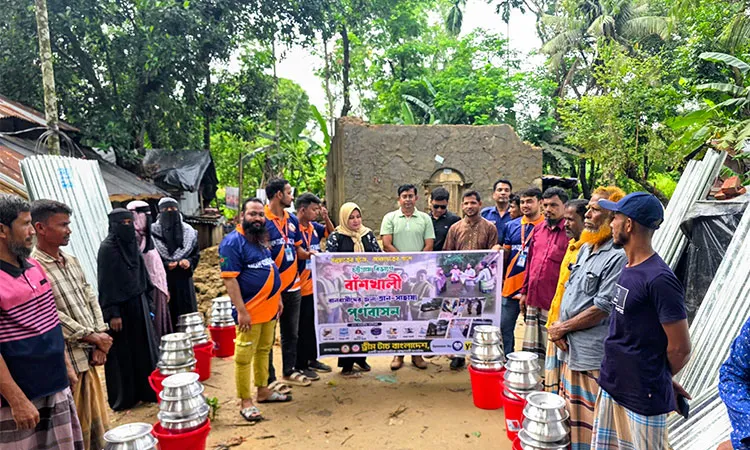
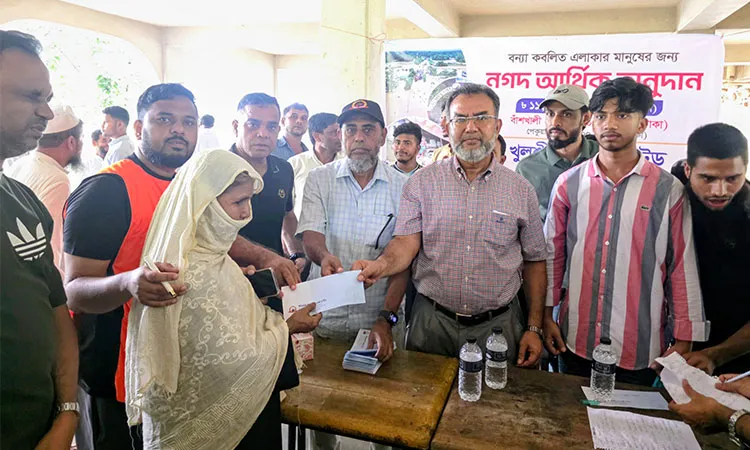
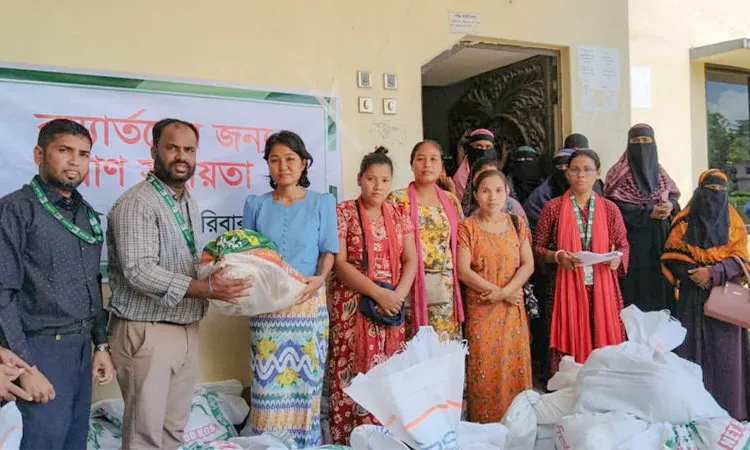
Aid: The district administration has allocated 540 metric tons of rice, alongside cash and essential dry food supplies.
Response: Army personnel are actively engaged in flood-relief operations, assisting residents in cut-off areas.
In Satkania, the situation remains volatile; flooding persists in several unions as water levels fluctuate based on rainfall in the upstream mountainous regions. In Banshkhali, while water is slowly receding, residents remain largely isolated. State Minister for Power, Energy and Mineral Resources Anindya Islam Amit has visited affected unions to oversee relief distribution and assess the damage to power lines.