
- National
- Bangladesh
- Business
- International
- Sports
- Entertainment
- Politics
- Technology
- Life Style
- Religion
- Opinion
- FIFA World Cup 2026
Monday, 13 July 2026

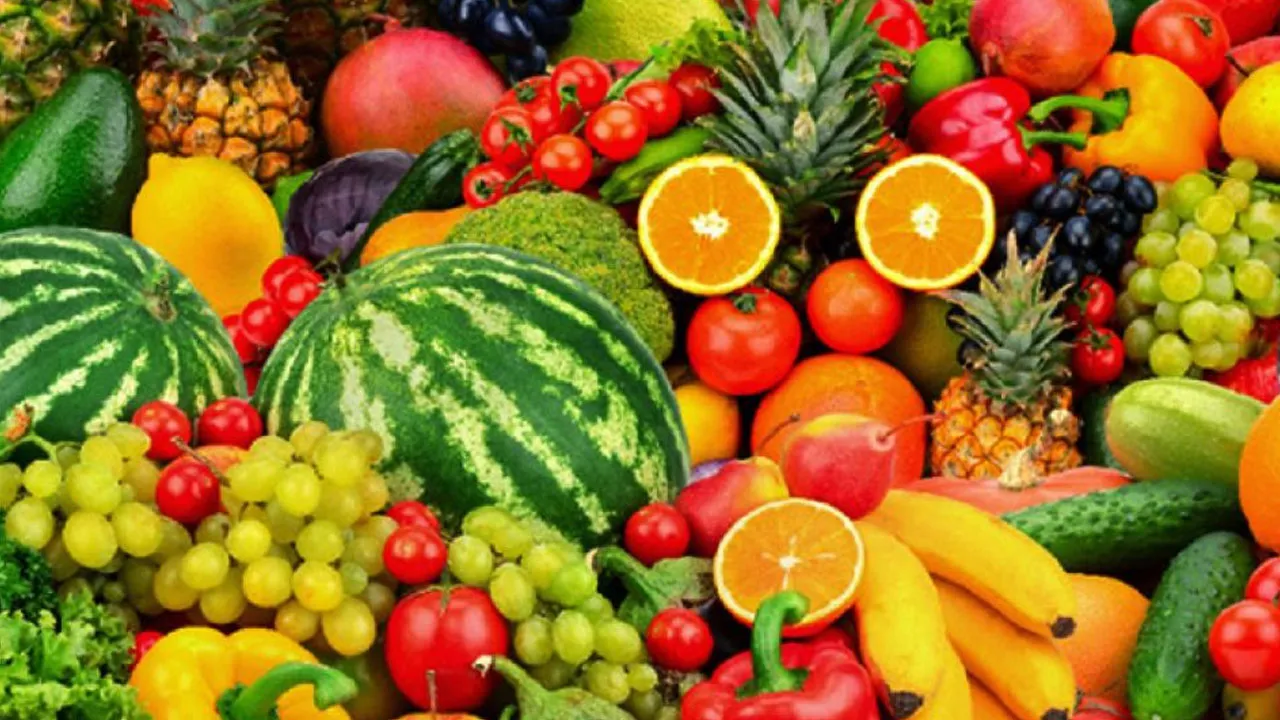
Fruits are undeniably beneficial for our health, but they aren't universally safe. If you suffer from diabetes, kidney disease, or Irritable Bowel Syndrome (IBS), eating the wrong fruit can aggravate your condition. What acts as medicine for one person can be harmful to another due to excess natural sugars or specific minerals.
Here is a clear guide to understanding which fruits to avoid—and which to choose—if you have these common health conditions. Diabetes: Beware of High-Sugar Fruits
A common misconception is that because fruit sugar is natural, it is entirely safe for diabetics. In reality, fruits contain fructose, which can cause sudden spikes in blood sugar. High-glycemic fruits release sugar rapidly into the bloodstream, making diabetes much harder to manage.
Fruits to limit or avoid: Ripe mangoes, jackfruit, ripe bananas, lychees, custard apples (ata), dates, and raisins.
Safer alternatives: Opt for low-glycemic fruits like apples, guavas, pears, blackberries (jam), or wax apples (jamrul) in small, doctor-approved portions.
Kidney Disease: The Danger of Potassium and Star Fruit
Dietary rules for kidney patients are incredibly strict. Weakened kidneys struggle to filter out excess minerals like potassium. If potassium builds up in the blood, it can lead to severe heart palpitations or even a sudden heart attack.
Fruits to limit or avoid: Bananas, coconut water, oranges, sweet lemons (malta), grapes, mangoes, and dried fruits.
The Star Fruit Warning: Star fruit (kamranga) is highly dangerous for kidney patients. It contains a specific neurotoxin that compromised kidneys cannot filter, which can be fatal.
Always eat fruit based strictly on your latest blood test reports and your nephrologist's advice.
Irritable Bowel Syndrome (IBS): High-FODMAP Triggers
IBS makes the digestive system highly sensitive. Some fruits contain complex sugars and sugar alcohols (known scientifically as high-FODMAP foods) that are difficult for the intestines to digest. This leads to severe gas, bloating, stomach cramps, and frequent loose stools.
Fruits to limit or avoid: Apples, pears, watermelon, cherries, peaches, and heavily sweetened fruit juices.
Safer alternatives: Choose low-FODMAP options like ripe papaya, ripe bananas, pomegranates, or fresh lemon juice, which are much easier on the stomach and less likely to trigger gas.
