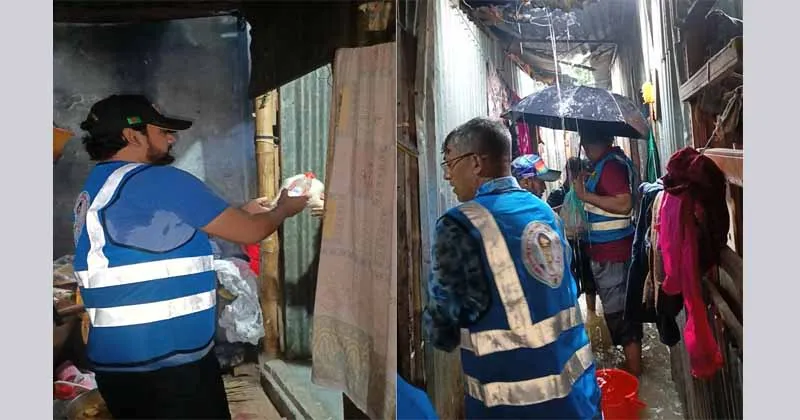
Heavy rainfall often leaves many roads in Dhaka waterlogged, increasing the risk of foot infections. Walking through dirty standing water or wearing wet shoes and socks for long periods creates a moist environment where fungi and bacteria can grow. Common symptoms include redness, itching, rashes, peeling skin, and sores between the toes.
After returning home, wash your feet as soon as possible. Soak them in warm water mixed with a little salt for about 10 minutes, then gently scrub away dead skin. Rinse well and dry your feet thoroughly, especially between the toes, as moisture encourages fungal growth. Before bedtime, applying coconut or olive oil can help keep the skin soft and reduce dryness.
To reduce foot odour during the rainy season, apply talcum powder before wearing socks. Some people also mix a small amount of camphor with the powder. Tea tree oil, diluted with coconut oil, is commonly used for its antifungal properties, although it should be patch-tested first because it may irritate sensitive skin.
Traditional home remedies such as a paste made from neem leaves and fresh turmeric are widely used to soothe minor skin irritation. Apply the paste between the toes and on affected areas for 20–30 minutes before rinsing with cool water.
If redness, swelling, severe pain, pus, fever, or persistent symptoms develop, seek medical advice promptly. People with diabetes, poor circulation, or weakened immune systems should avoid walking through floodwater whenever possible and consult a healthcare professional early if any foot problem appears.