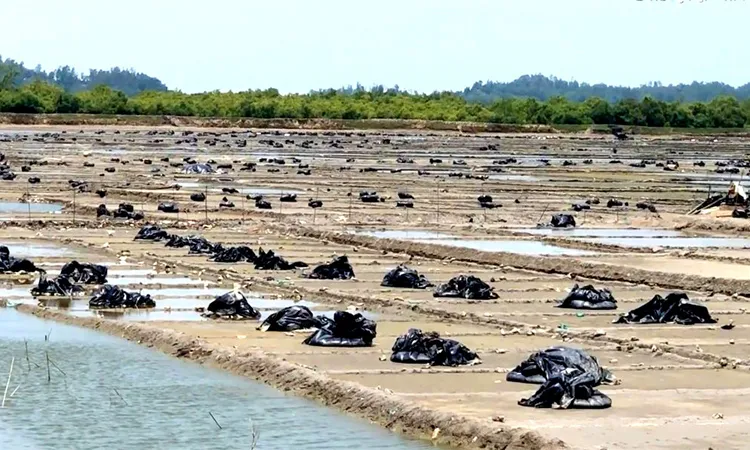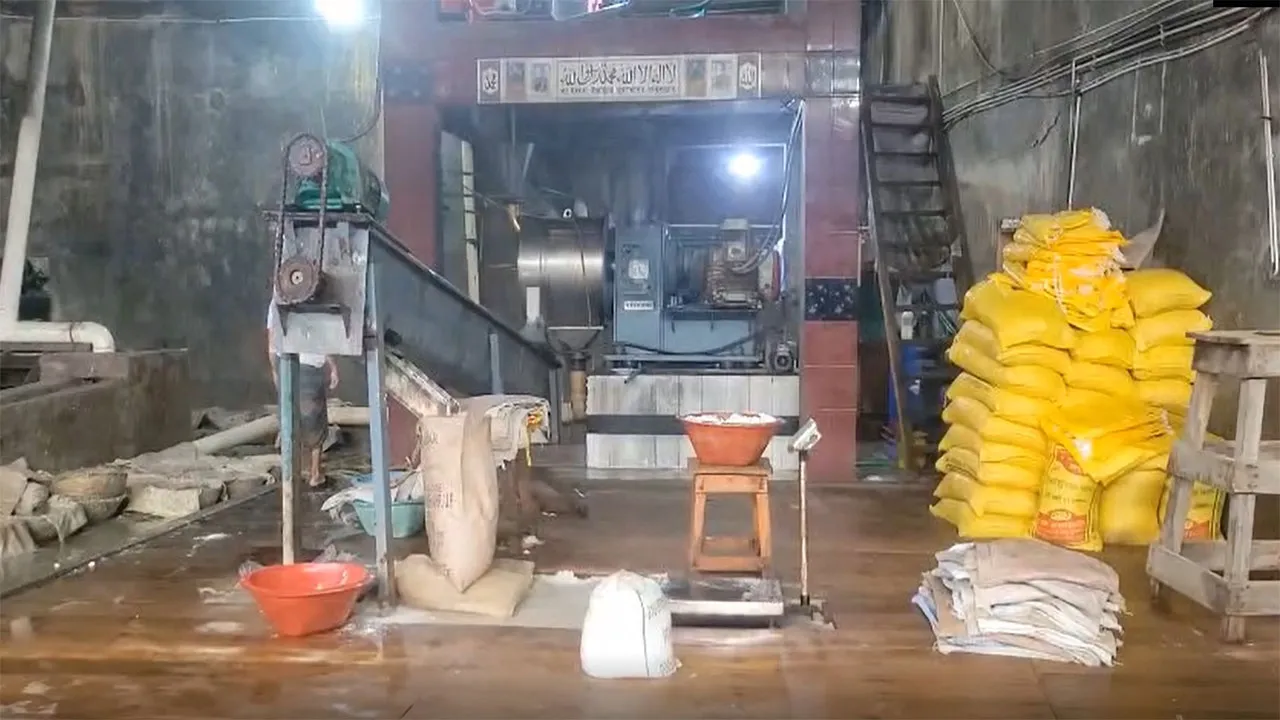
Jhalakathi’s historic salt industry, once a booming trade hub dubbed the "second Kolkata," is facing extinction. Unable to compete with modernized giants and lacking necessary bank credit, only seven of the region’s 50 traditional salt mills remain operational. This year alone, 13 mills along the Basanda River shut down, leaving hundreds unemployed and drastically slashing production revenues.
Historically, Jhalakathi millers sourced raw salt from Cox's Bazar via waterways, manually purifying and iodizing it for nationwide distribution. Today, they struggle to survive against large corporations. Local mill owners allege these larger competitors are importing shiny, industrial-grade salt from China and marketing it for human consumption, which they claim poses long-term health risks.
While commercially produced salt retails at 40 to 45 taka per kilogram, Jhalakathi’s traditionally refined salt remains highly affordable at just 25 taka per kilogram. Despite this distinct price advantage for consumers, the lack of modern technology is suffocating the local industry.
Industry Officer Md. Al Amin stated that the government conducts regular quality inspections and is willing to provide assistance if traditional mills transition to modern machinery.
With the livelihoods of nearly 2,000 workers tied to this sector, local traders warn that without urgent government incentives and technological upgrades, this heritage industry will completely disappear.